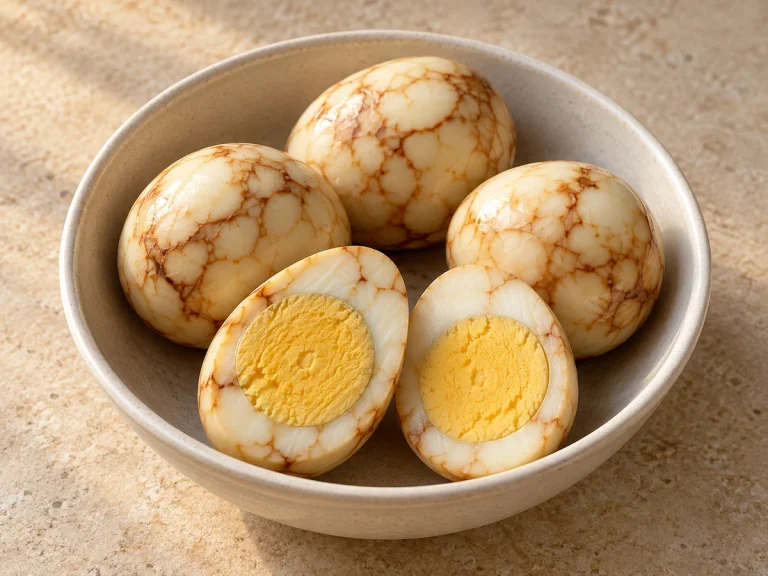
Tea eggs
Cook the eggs first, then crack the shells and simmer them in spiced tea.
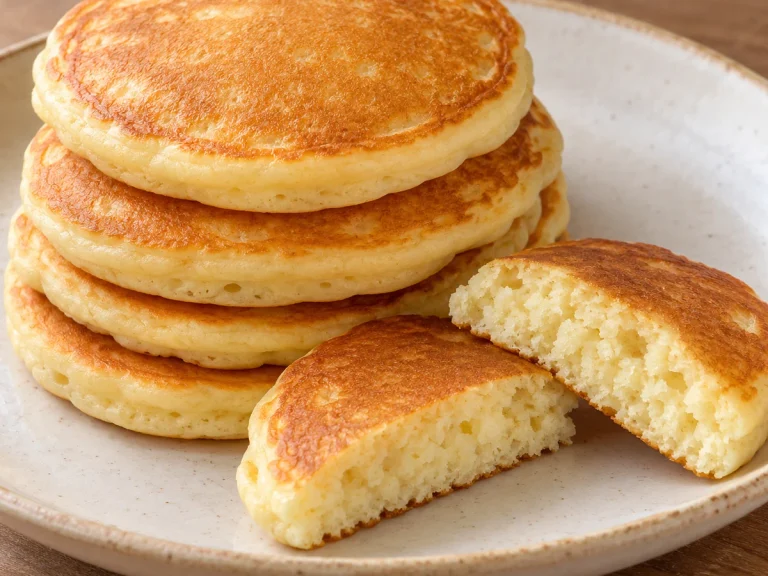
About 12 small plain pancakes, divided into 4 servings. Beat the eggs and milk until foamy, let the batter rest briefly, then cook in batches.
4 servings · 6 steps
Do not taste raw flour, eggs, or batter. Separate utensils for raw ingredients from those used to serve cooked pancakes, and wash your hands after handling eggshells. Check the conditions for flipping and whether the center is cooked through separately. If the pan smokes, first reduce the heat and move it off the burner. Divide cooked food to be stored into small, shallow portions and promptly refrigerate at 4°C or below. Total time at room temperature must not exceed 2 hours; when the ambient temperature exceeds 32°C, it must not exceed 1 hour.
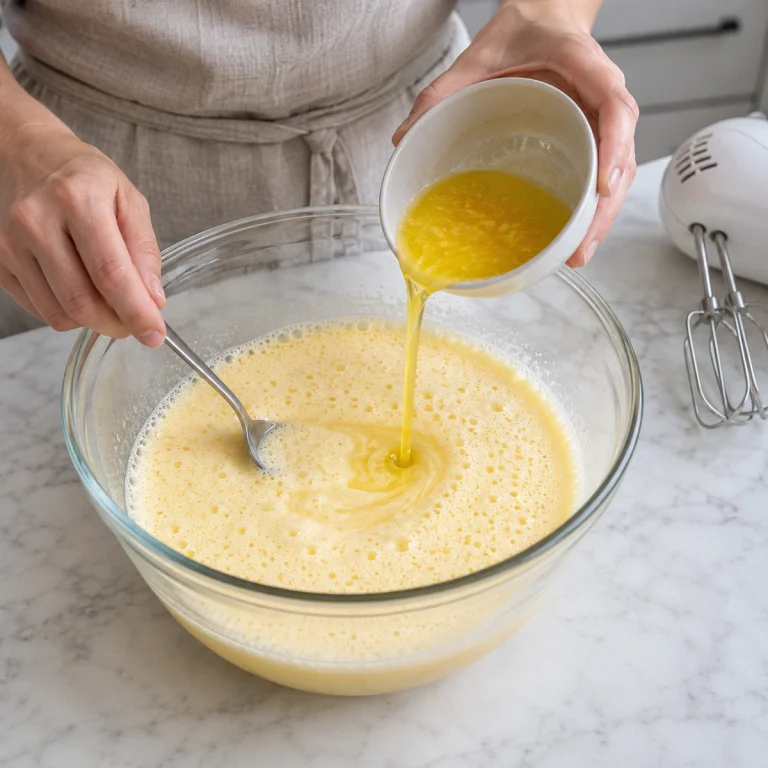
Melt the butter over low heat, remove from the heat, and cool until warm but not hot. Put the eggs and the 1 cup of milk for the main batter in a large bowl. Beat with an electric mixer on high speed for about 3 minutes until foamy and fluffy, then mix in the warm butter. Keep the reserved ¼ cup of milk refrigerated.
Fine bubbles cover the egg-and-milk mixture, with no separate egg white or piping-hot butter.
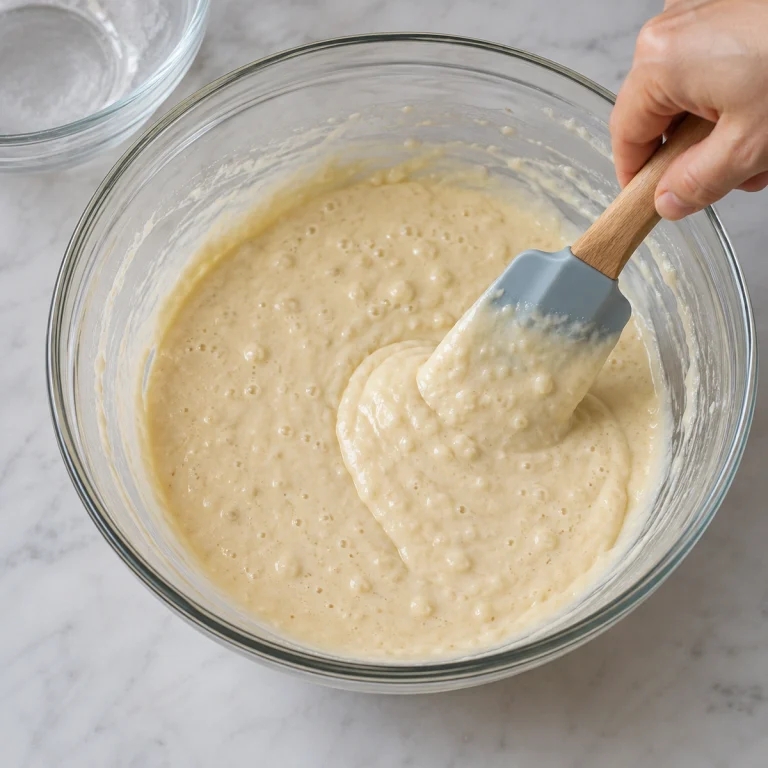
Mix the flour, salt, baking powder, and sugar thoroughly in another bowl. Pour into the eggs and milk and stir gently, stopping as soon as no dry flour is visible; small lumps can remain.
There is no dry flour at the bottom of the bowl, and the batter has fine bubbles and flows slowly.
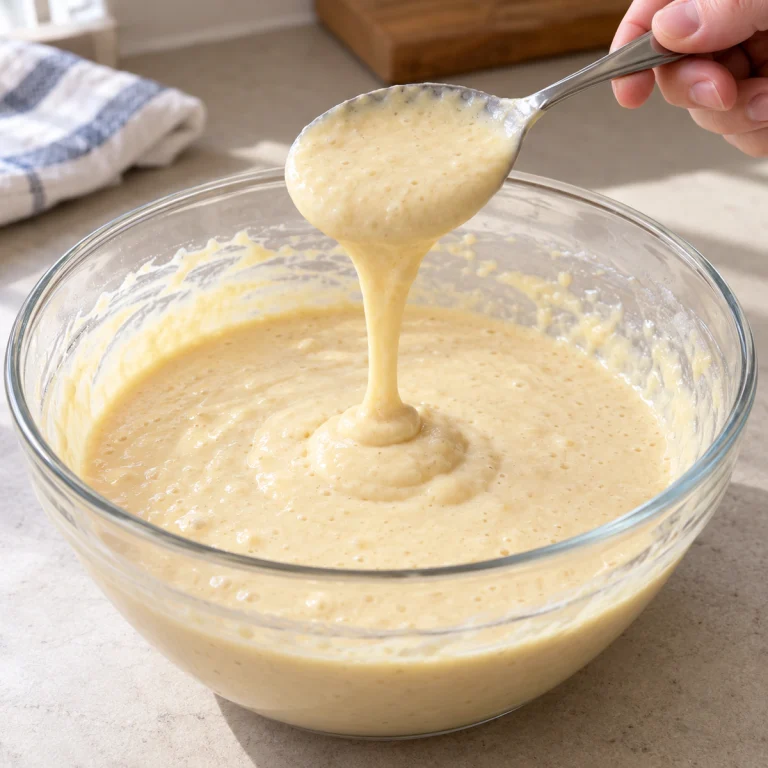
Time 15 minutes from when mixing is complete to let the batter thicken slightly. Then lift some with a spoon to check: it should pour down and form a thick, round pancake. If it is too thick to fall naturally, gently mix in the reserved milk 1 tablespoon at a time, using no more than the reserved ¼ cup and keeping the total milk at or below 1¼ cups.
The batter flows down slowly with no pockets of dry flour. Do not taste raw batter.
Heat a heavy-bottomed skillet over medium heat, then reduce to medium-low. Brush with a thin layer of oil without letting the pan smoke. Use ¼ cup of batter per pancake, leaving plenty of space, and cook 2 pancakes per batch. Cook for 2 minutes initially, then lift an edge to inspect. Flip only once bubbles have burst on the surface, the edges are set, and the bottom is golden. Restart this reminder for each subsequent batch.
Bubbles have burst, the edges hold their shape, and the bottom is golden but not burned.
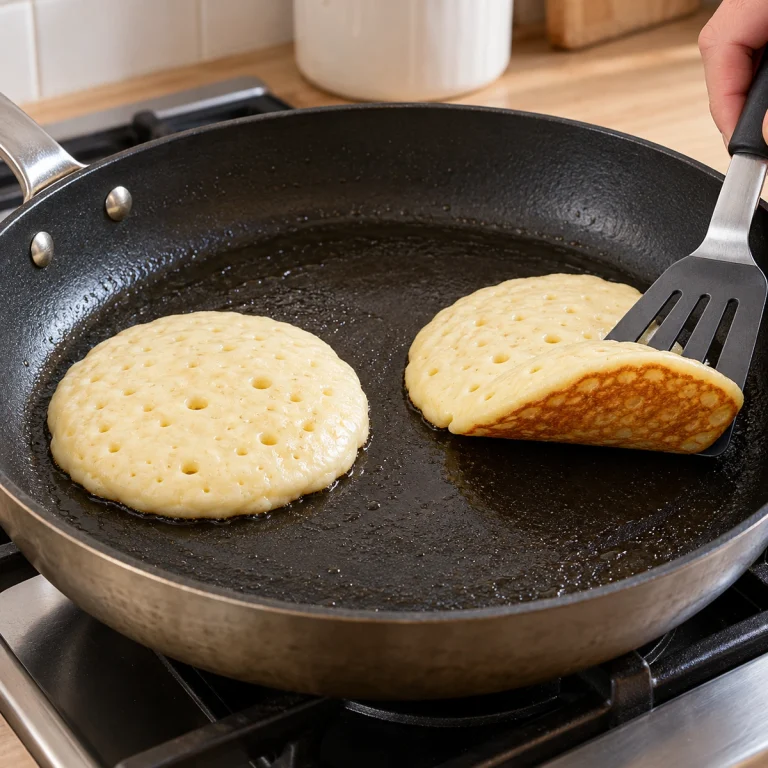
After flipping, cook for 90 seconds initially, then check the other side. Lift the first pancake with a clean spatula and cut through its thickest center: no wet, sticky raw batter should remain. Check any thicker or uncertain pancakes too. Return undercooked pancakes to the pan over lower heat and continue cooking. Wash knives, plates, and spatulas that touched raw batter before using them again. Restart this reminder for each subsequent batch.
The thickest center is set and fluffy, with no wet, sticky raw batter.
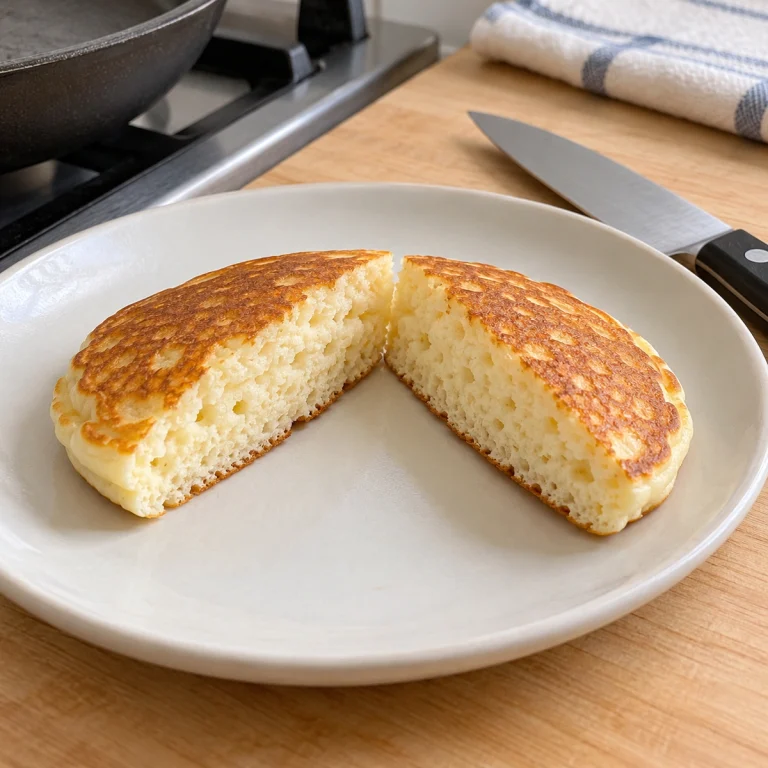
Put cooked pancakes on a clean plate. Continue brushing the pan thinly and cooking batches with ¼ cup of batter per pancake, repeating the flipping and center checks from the previous two steps. Reduce the heat if the pan gets hotter. Turn off the heat when all the batter is used, divide the approximately 12 pancakes evenly into 4 servings, and eat promptly.
Every batch is cooked through, the stove is off, and the raw-ingredient bowl and work surface have been washed.

Step illustration unavailable; follow the written instruction and target state.