Tea eggs
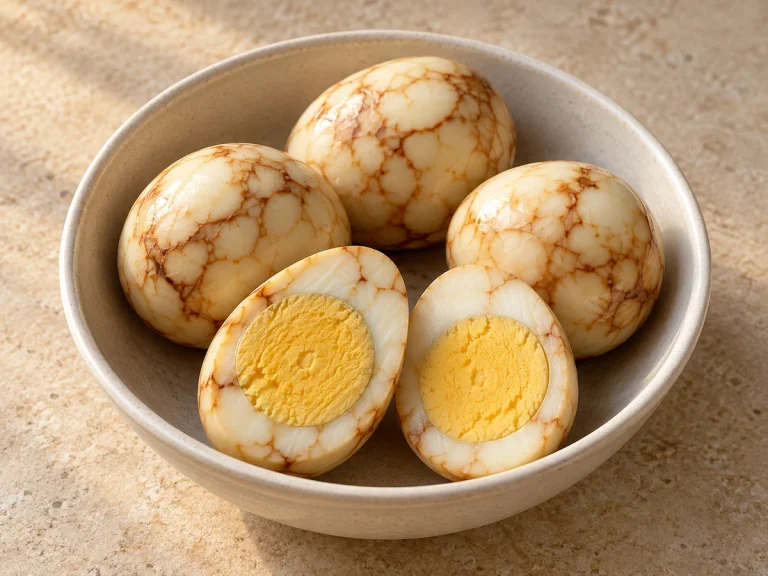
Cook the eggs first, then crack the shells and simmer them in spiced tea.
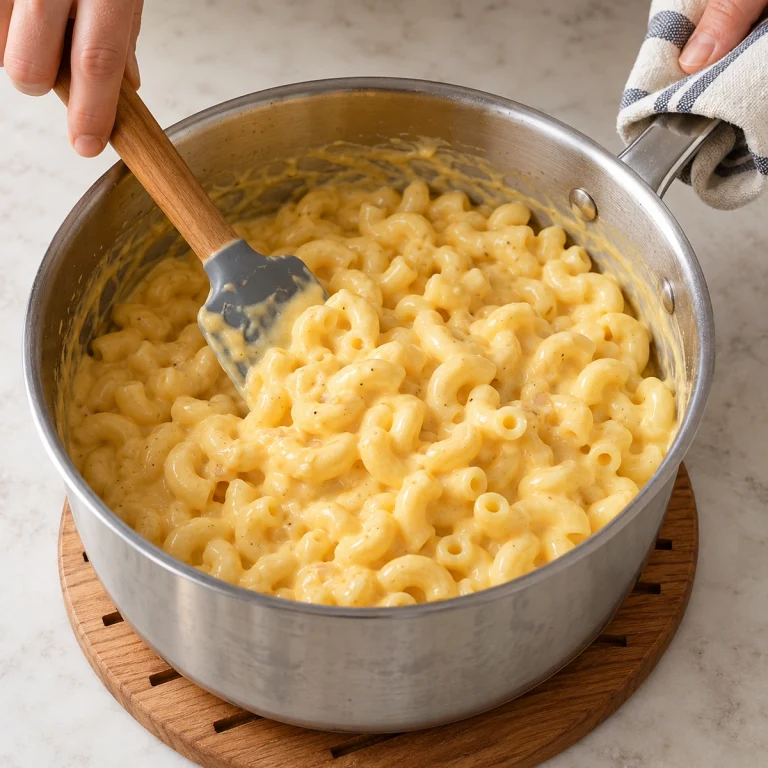
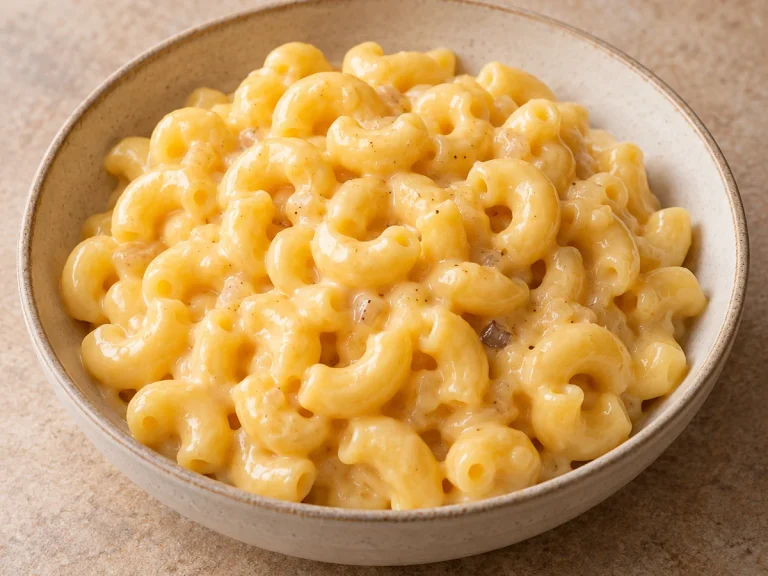
Four servings of stovetop macaroni, with cheddar added to a shallot and butter white sauce and then mixed with the hot pasta.
4 servings · 5 steps
Do not taste raw flour paste. Use pasteurized milk and cheese and take them out of the refrigerator just before use. Add the cheese after turning off the heat and moving the pan off the burner, to avoid separation caused by high heat. Beware of steam burns when draining pasta. Check the pasta, mustard, and cheese labels for other allergens. Divide cooked food to be stored into small, shallow portions and promptly refrigerate at 4°C or below. Total time at room temperature must not exceed 2 hours; when the ambient temperature exceeds 32°C, it must not exceed 1 hour.
Peel and mince the shallot and finely shred the cheese. Measure the milk and all seasonings. Add water and pasta salt to a large pot according to the pasta package, and bring to a boil. Measure the shredded cheese level in a US measuring cup without packing it down.
All sauce ingredients are measured, and the pasta water is boiling steadily.

Step illustration unavailable; follow the written instruction and target state.
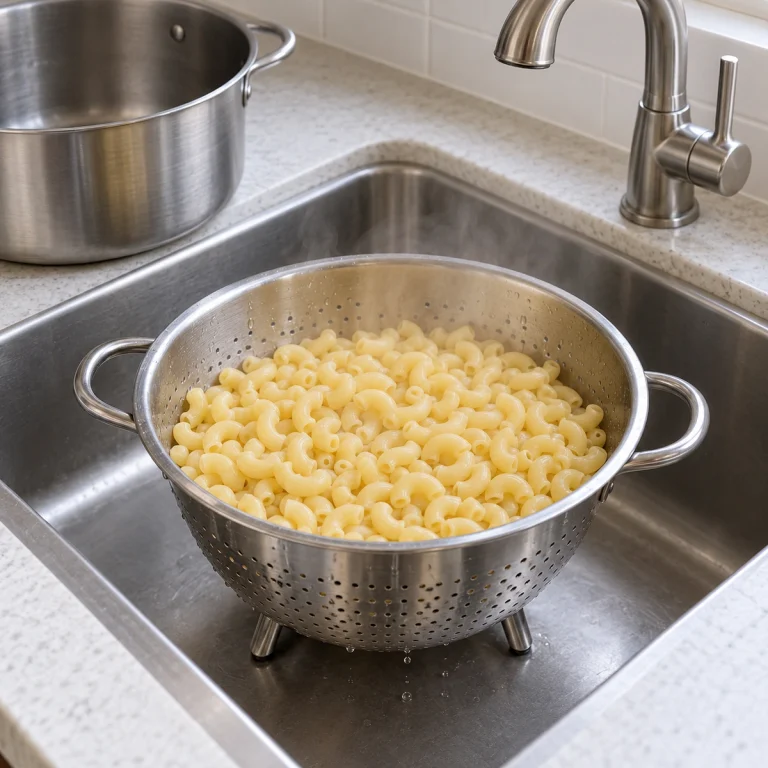
Add the pasta to boiling water and stir to separate it. Cook at the heat and for the time specified on the package. At a checking time allowed by the package, cool and taste a small piece; there should be no hard, raw center. Meanwhile, make the sauce in the next step. If managing both is difficult, prepare the sauce up to the point before adding milk, turn off the heat, and then finish cooking the pasta. Turn off the heat and drain in a stable, heatproof colander. Do not rinse with cold water; leave the pasta in the pot with the heat off.
The pasta has no hard, raw centers, and its cooking water is drained.
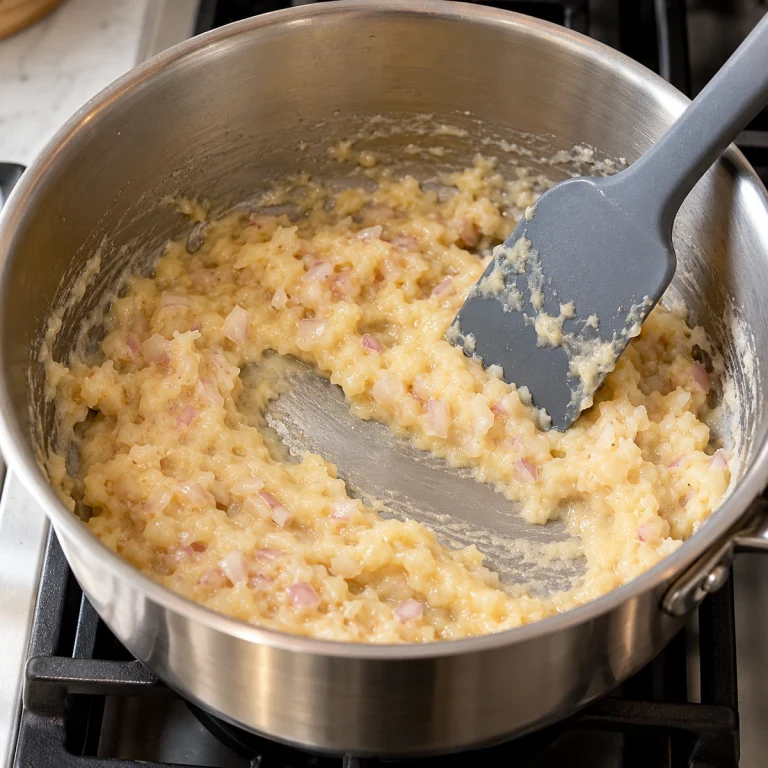
Melt the butter in a saucepan over medium heat. Add the shallot and stir for about 1–2 minutes until slightly soft but not burned. Sprinkle in all 7 teaspoons of flour and stir into a moist paste, scraping any dry flour from the corners. Do not taste the flour paste at this stage.
The shallot is slightly soft, all the flour is moistened with butter, and the bottom is not blackened.
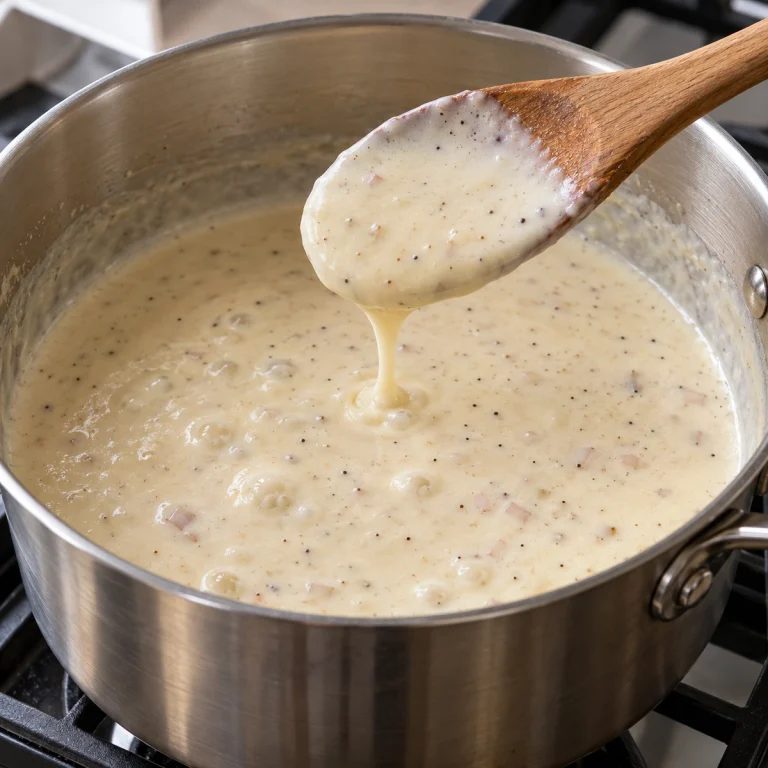
Gradually pour in all 1½ cups of milk while stirring, scraping the corners thoroughly. Add the mustard, garlic powder, white-sauce salt, and pepper. Raise the heat to medium and keep scraping and stirring until the whole mixture bubbles gently. Time 2 minutes initially, then check; the original recipe gives about 2–3 minutes, until the sauce thinly coats the back of a spoon. If still thin, continue cooking gently, leaving no lumps of uncooked flour.
The sauce is smooth and coats a spoon, bubbles gently, and has no dry flour lumps or scorched bottom.
Turn off the heat and move the saucepan off the hot burner. Add all the shredded cheese and stir until melted. Immediately mix the sauce evenly with the hot macaroni, divide into 4 servings, and eat promptly. If the pasta has cooled, briefly stir gently over the lowest heat until everything is hot, then turn off the heat immediately. Avoid bringing the cheese sauce to a rolling boil.
All the cheese is melted and the smooth sauce coats the pasta, with no cold clumps of pasta or obvious oil on top.