THE COOKPATH KITCHENMixing & beating
Mixing & beating: Follow the mixing order and look for the stated texture. Examples include Egg-coated glutinous rice cakes, Seaweed egg drop soup, Chive scrambled eggs. Open a full recipe for ingredients and the complete method.
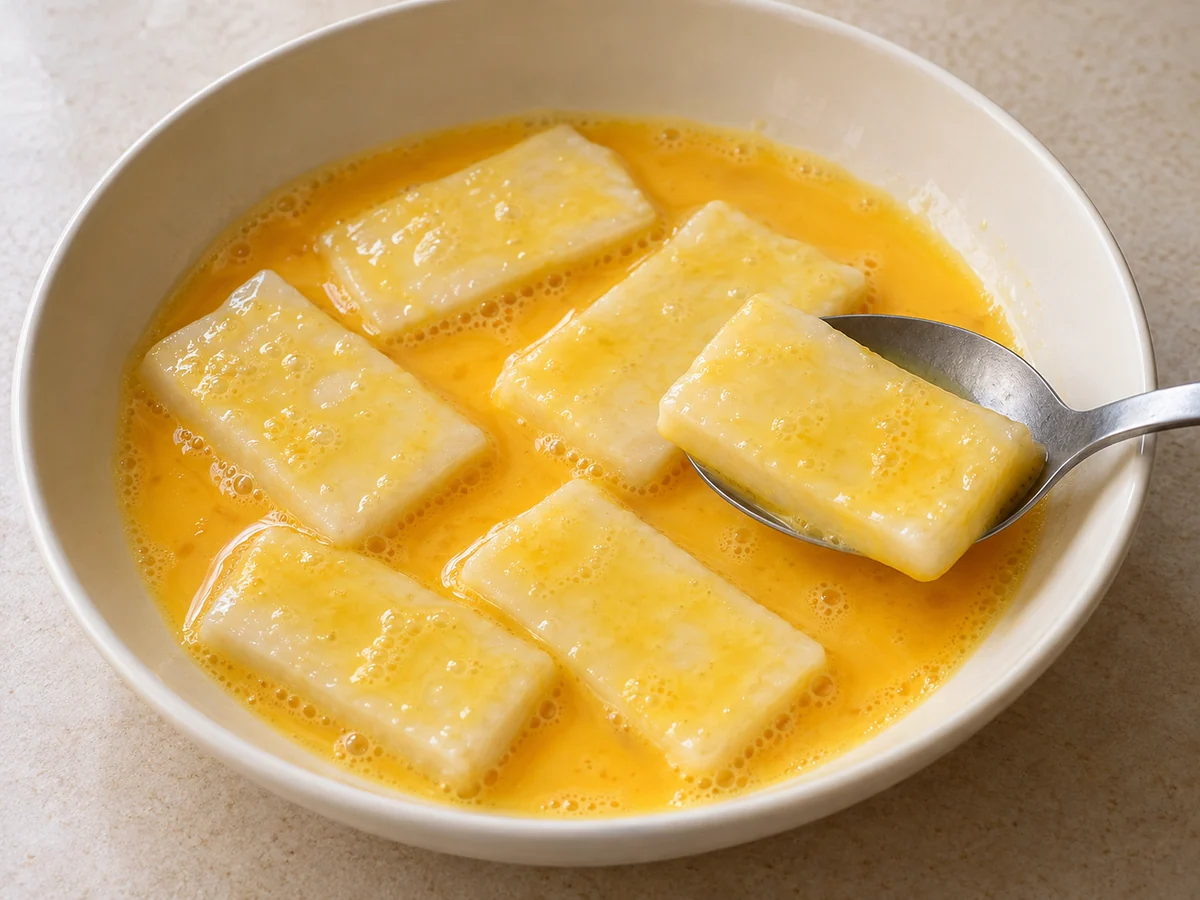
Egg-coated glutinous rice cakesBeat and coat with egg
Beat the egg with the salt in a bowl. Coat both sides of every rice-cake piece. Wash your hands after handling raw egg.
Look forBoth sides of every piece have a thin egg coating.
See the full recipe ↗ 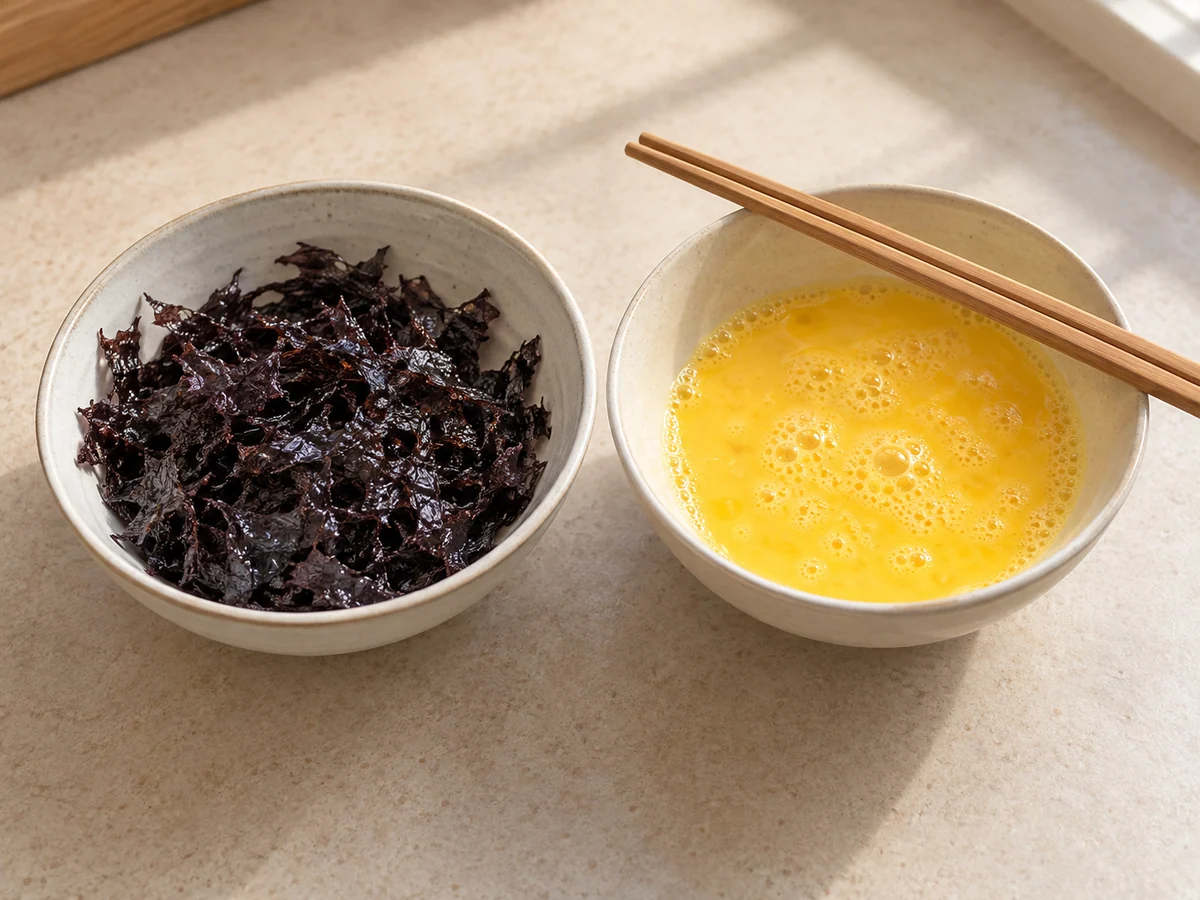
Seaweed egg drop soupPrepare the seaweed and eggs
Prepare the seaweed as directed on its package. If soaking is required, soak until softened and drain. Beat the eggs separately and wash your hands after handling raw egg.
Look forThe seaweed is softened and the egg is evenly beaten.
See the full recipe ↗ 
Chive scrambled eggsBeat the eggs
Beat the eggs until the whites and yolks combine. Wash your hands after handling raw egg.
Look forThe egg mixture is even with no large streaks of white.
See the full recipe ↗ 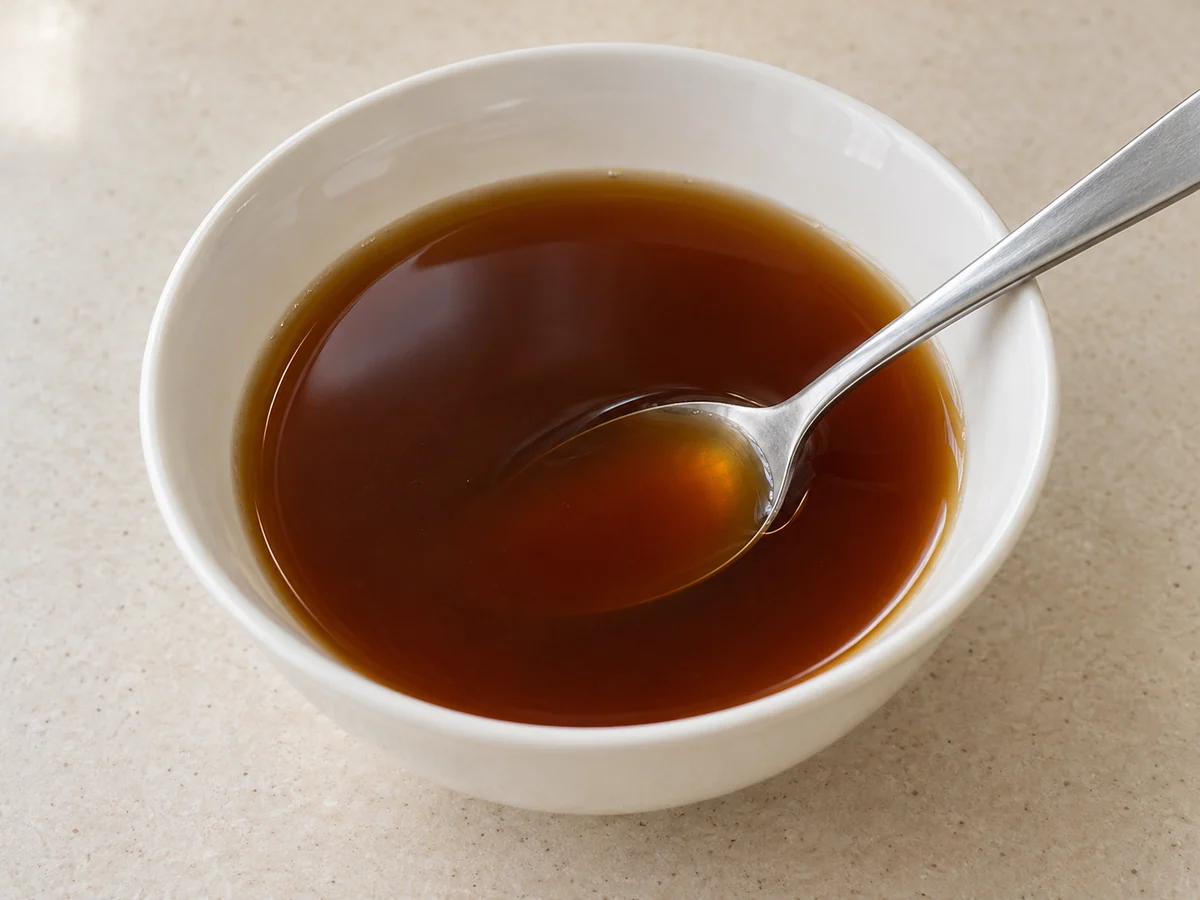
Blanched choy sumMix the sauce
Mix the light soy sauce, oyster sauce, sugar and the listed sauce water in a bowl.
Look forThe sugar mostly dissolves and the sauce is even.
See the full recipe ↗ 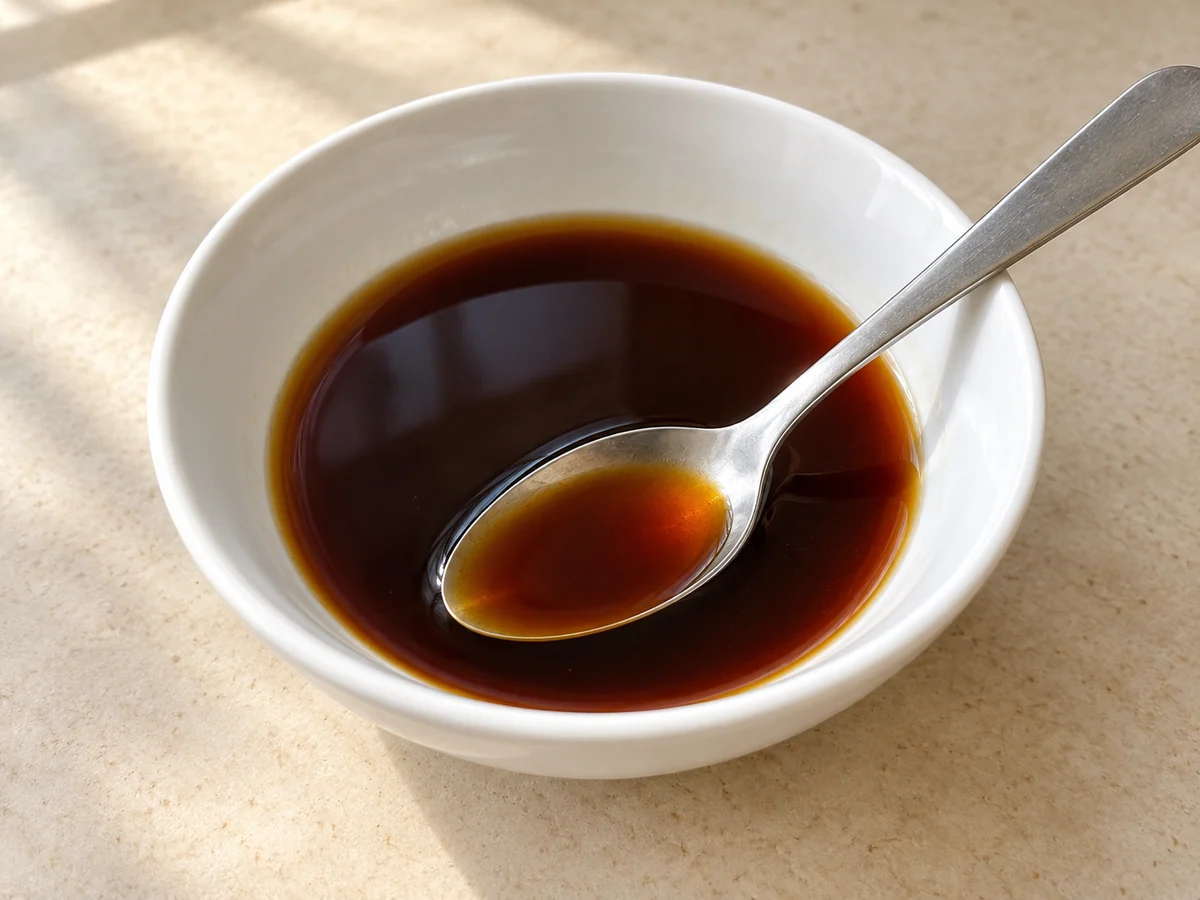
Century egg and tofuMix the dressing
Mix the soy sauce, sugar and vinegar. Add optional sesame or chili oil to taste. Check sauce ingredients and allergens before using.
Look forThe sugar dissolves and the dressing is well mixed.
See the full recipe ↗ 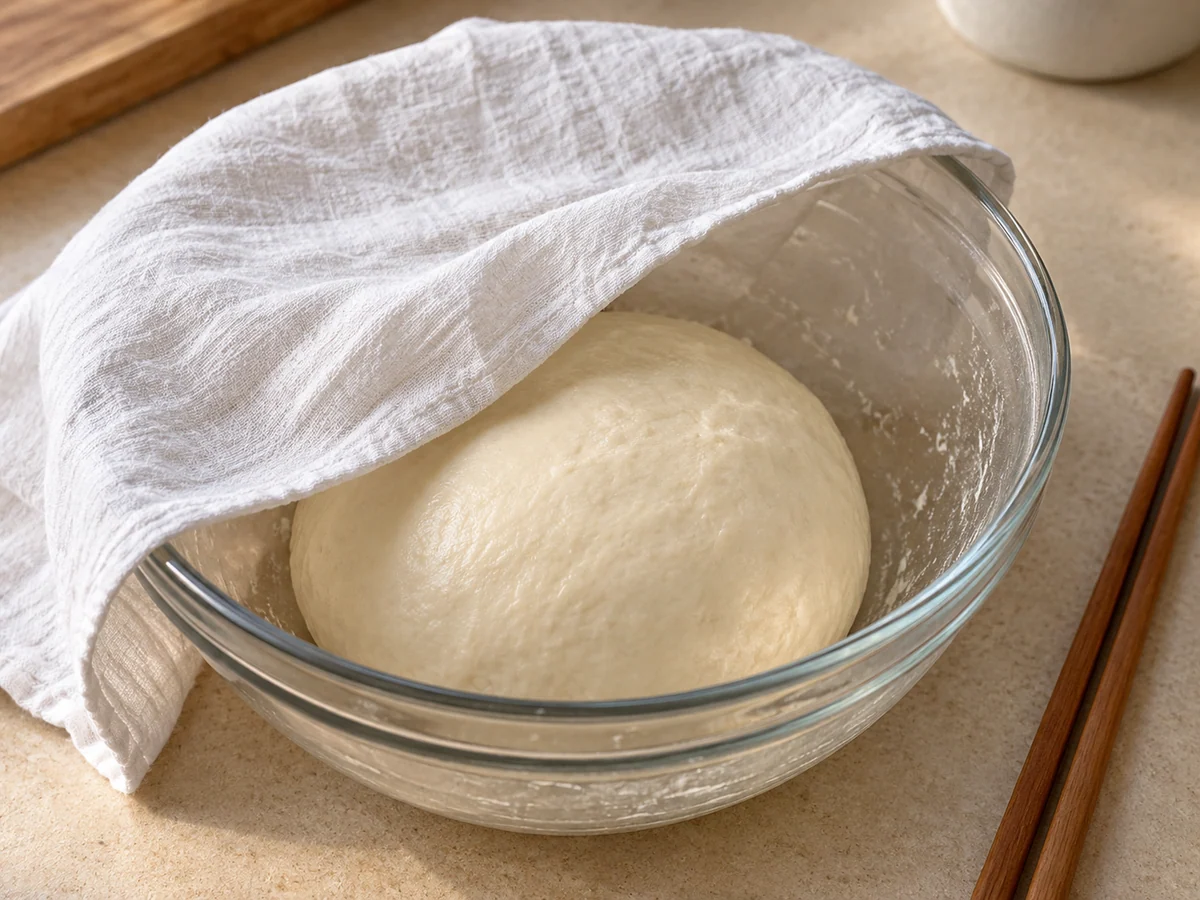
Flaky Chinese flatbreadMix and rest the dough
Put the flour in a heatproof bowl. Stir with chopsticks while slowly adding the boiling water, then add cool water. Knead only once safe to handle, cover with a damp cloth and rest for 20 min; keep hands away from boiling water.
Look forThe dough is mostly smooth and resting under a cover.
See the full recipe ↗ 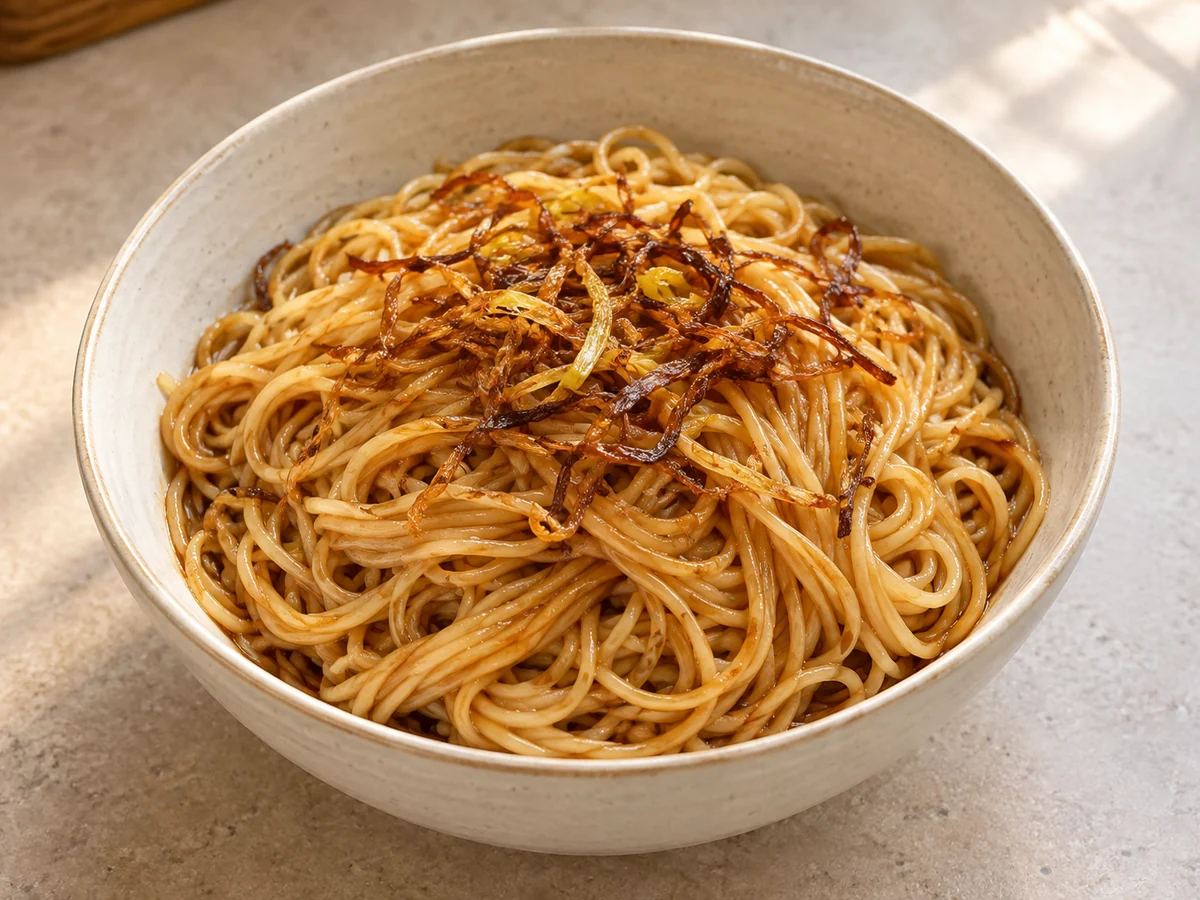
Scallion oil noodlesDress gradually and chill extra sauce
Stir the oil and soy layers together before measuring. Start with 15 ml scallion sauce for the noodles cooked from each 80 g dry noodles, then add a little more to taste; never pour the entire batch into one bowl. Use that ratio for more portions; the sauce-batch ingredients still produce a remainder. Add fried scallions if desired. Measure the actual finished sauce yield and promptly refrigerate unused sauce in a clean shallow container.
Look forThe noodles are evenly coated without a large pool of oily sauce.
See the full recipe ↗ 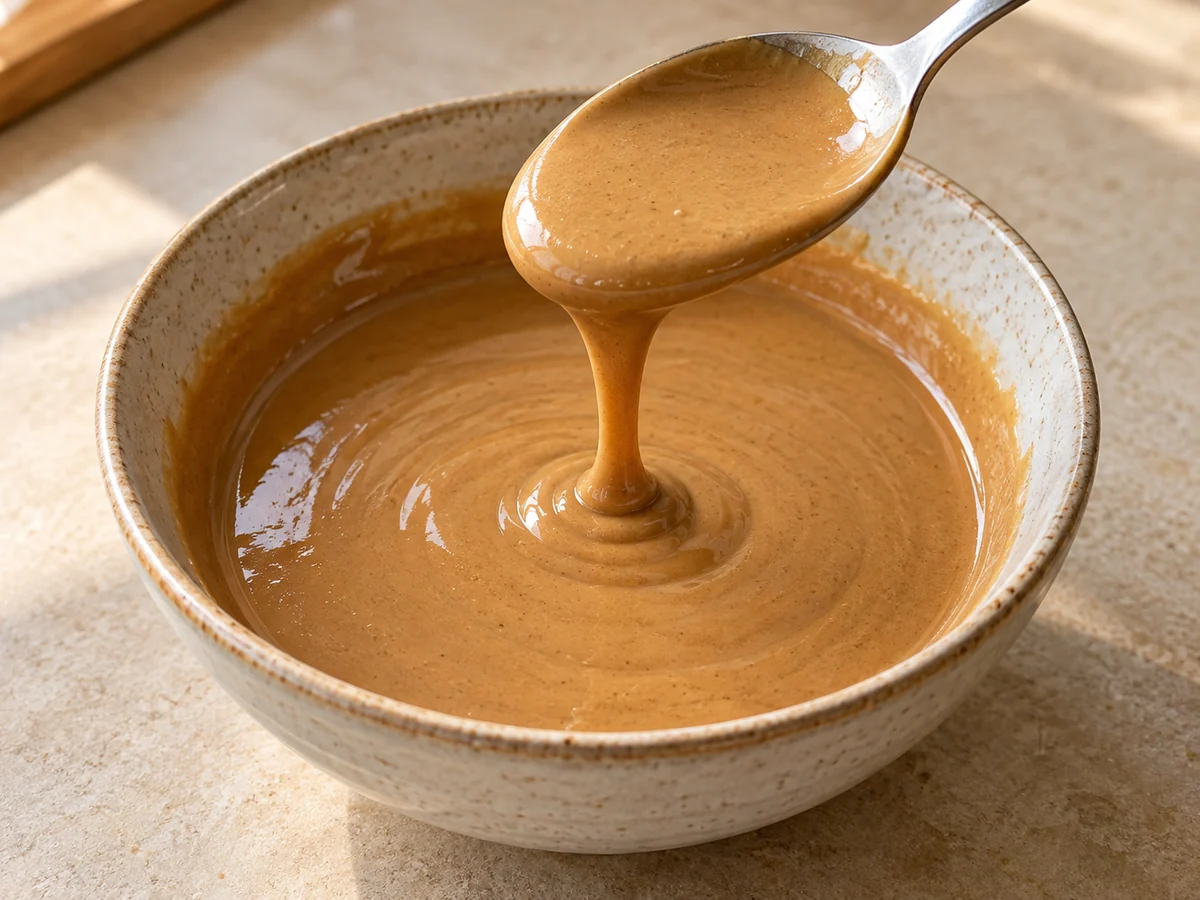
Wuhan hot dry noodlesThin the sesame paste gradually
Stir the sesame paste, then add the hot thinning water a little at a time until pourable but still spoon-coating; you may not need it all. Mix in soy sauce and garlic water, taste and add a little optional salt only if needed.
Look forThe sauce is smooth and pourable, not watery.
See the full recipe ↗ 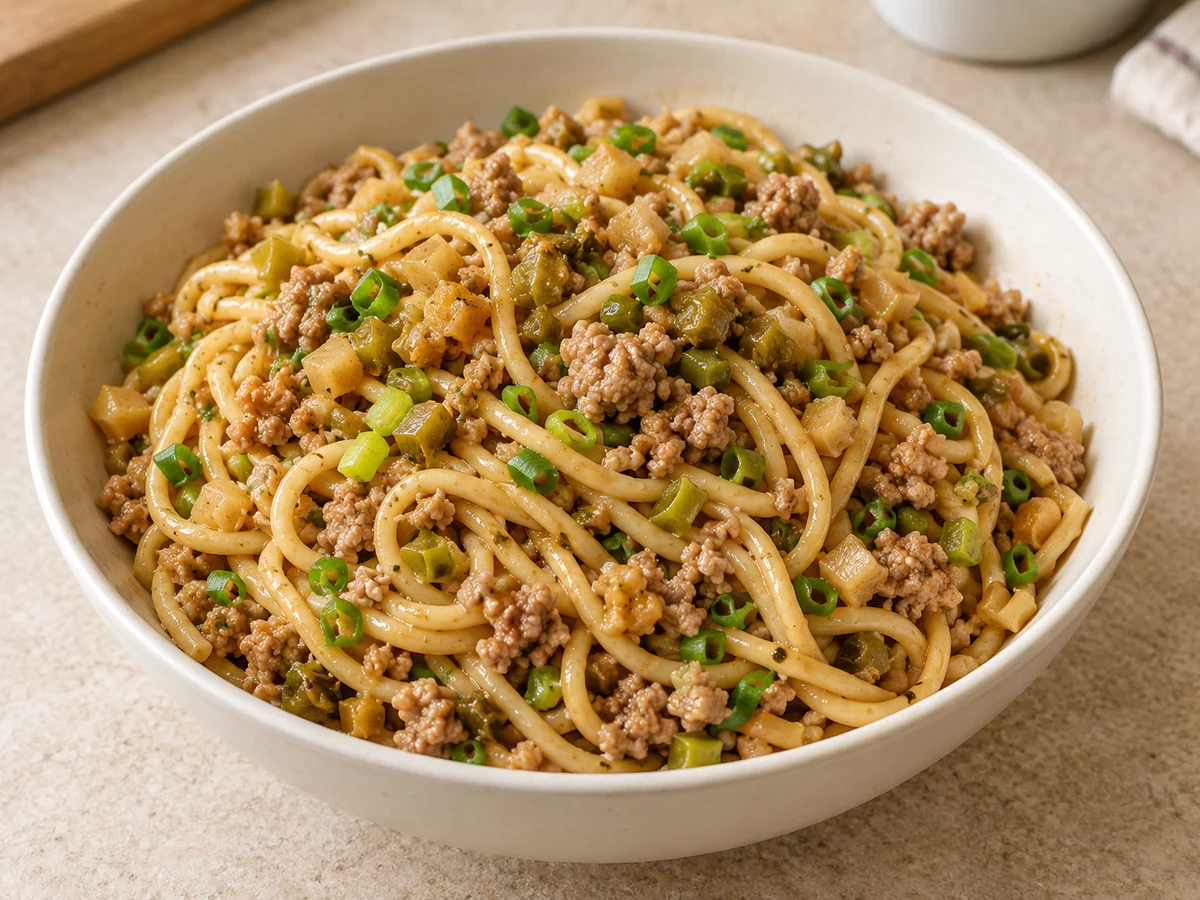
Wuhan hot dry noodlesToss while hot
While hot, toss the noodles with sesame dressing and hot pork, then add radish, pickled beans, scallion and optional chili oil. Add dressing gradually until it coats the noodles and serve immediately.
Look forThe noodles are coated in sesame sauce with evenly distributed toppings and no broth pool.
See the full recipe ↗ 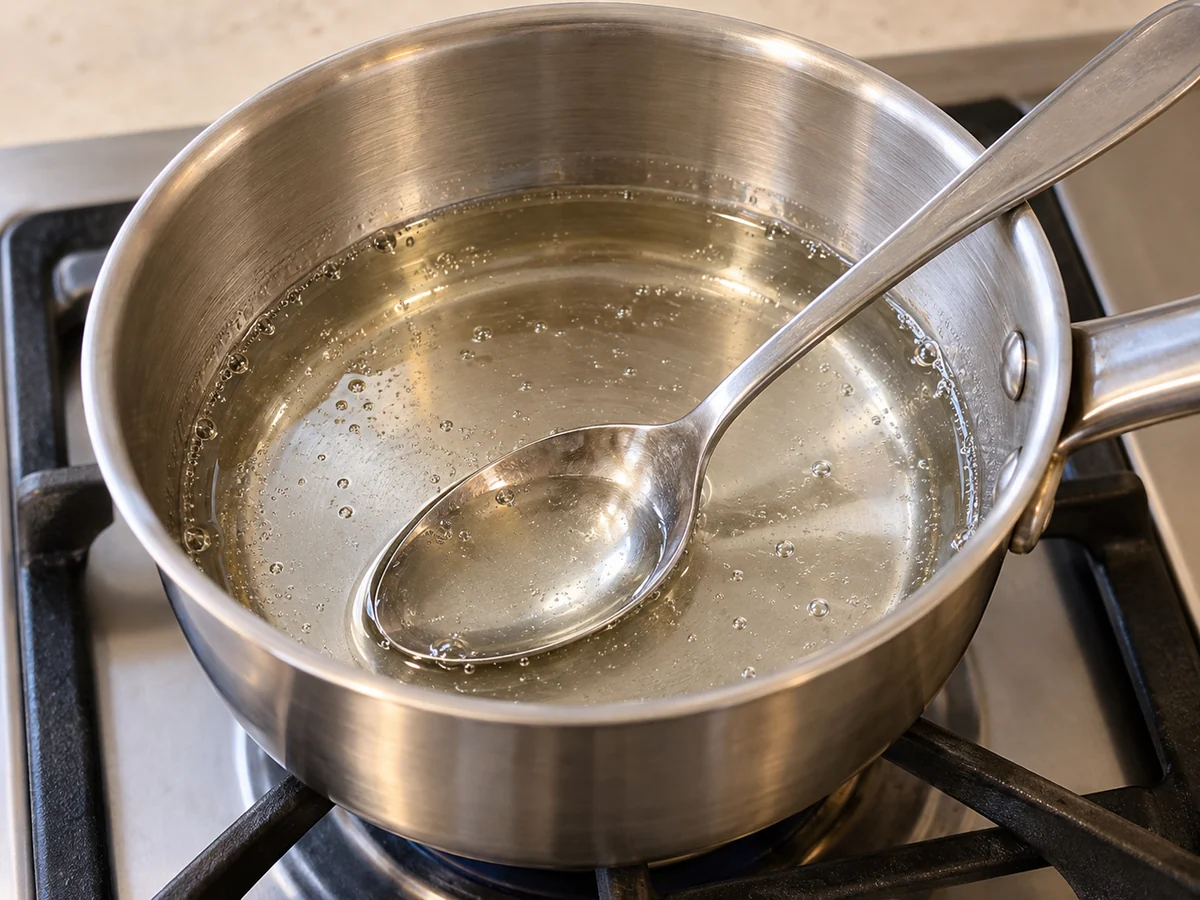
Sweet and sour spare ribsDissolve sugar in another pan
In a separate clean pan, stir the sugar with the listed hot syrup water over low heat until dissolved. Do not cook it to a dark caramel or put this water into the frying-oil pan.
Look forThe sugar is dissolved without dark burnt caramel.
See the full recipe ↗ 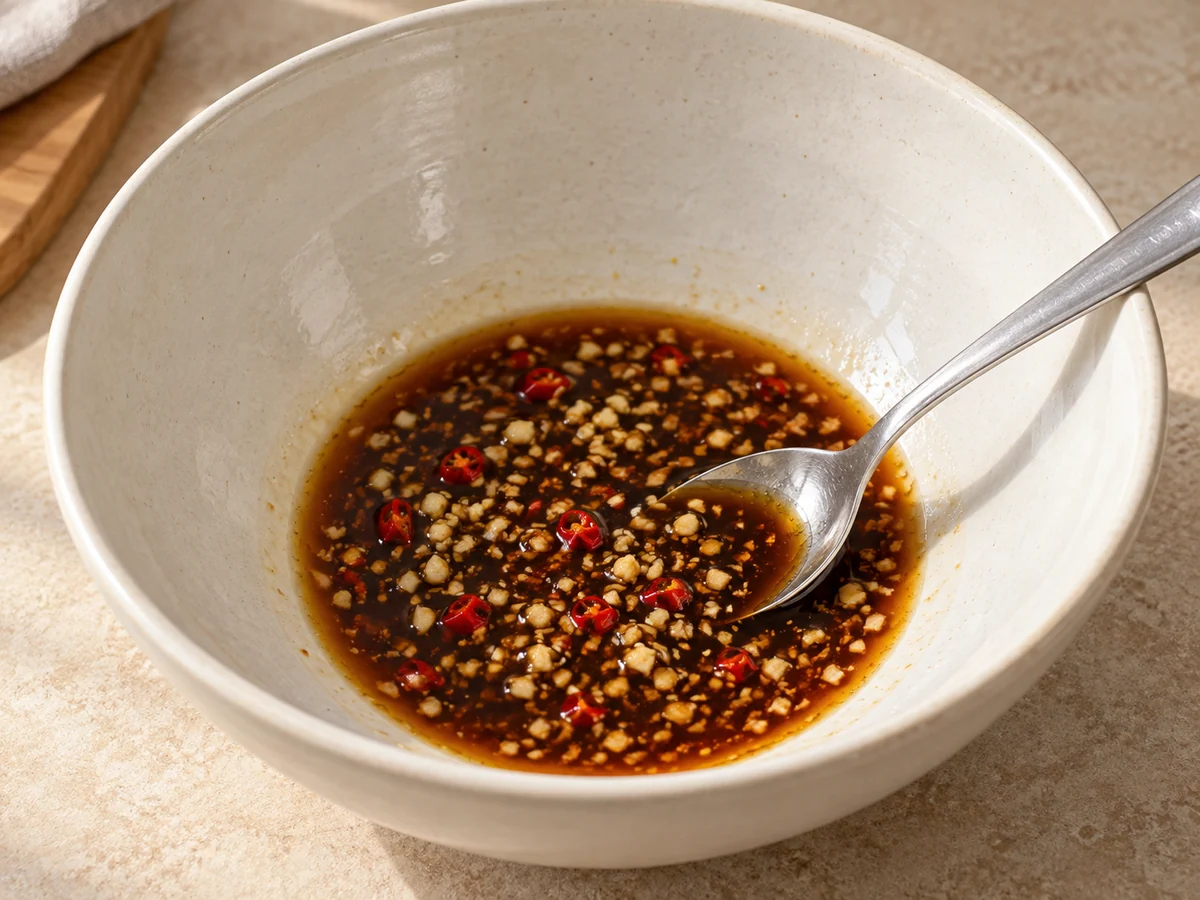
Wood ear mushroom saladChop garlic and mix dressing
Mince the garlic and optional chilies. Mix in a clean large bowl with the salt, sugar, soy sauce, vinegar and sesame oil. Wash hands after handling chilies.
Look forThe sugar and salt mostly dissolve and the dressing is evenly mixed.
See the full recipe ↗ 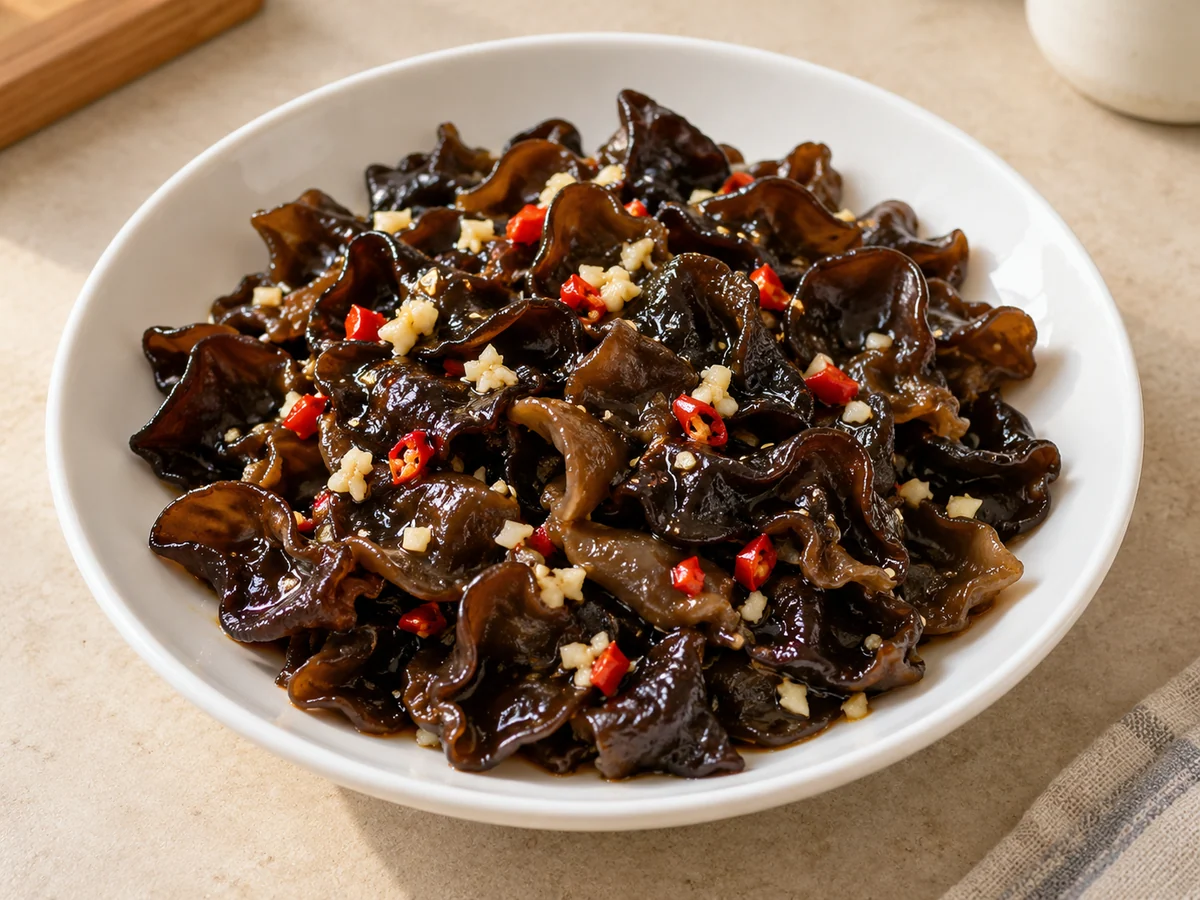
Wood ear mushroom saladDrain, dress and eat promptly
Lift out the mushrooms, drain thoroughly and toss in the dressing. Cool briefly and eat promptly; refrigerate if waiting rather than leaving the dish at room temperature.
Look forThe mushrooms are evenly dressed without excess cooking water in the bowl.
See the full recipe ↗ 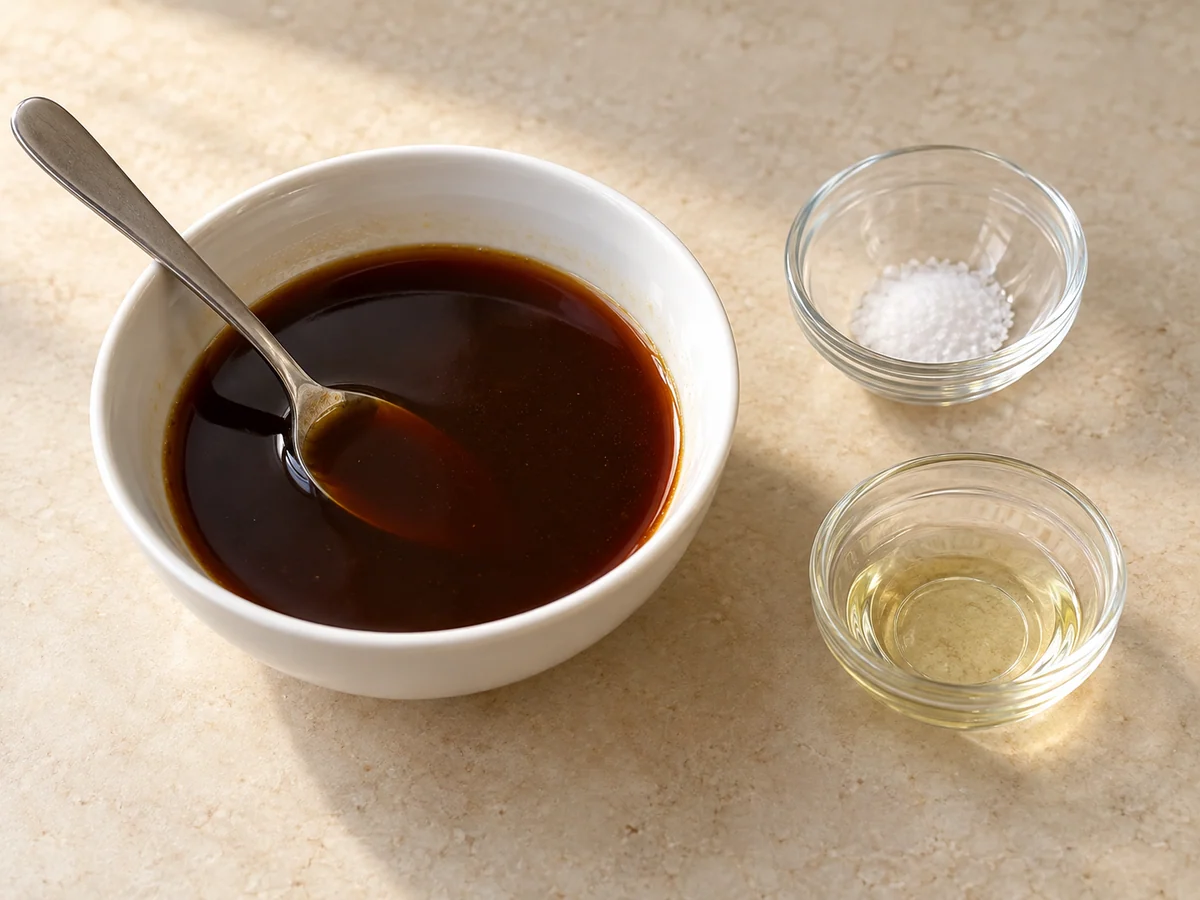
Lettuce in oyster sauceMix the sauce
Mix soy sauce, oyster sauce, sauce salt, sugar and sauce water. Keep blanching salt and oil separate.
Look forSauce is combined and blanching ingredients separate.
See the full recipe ↗ 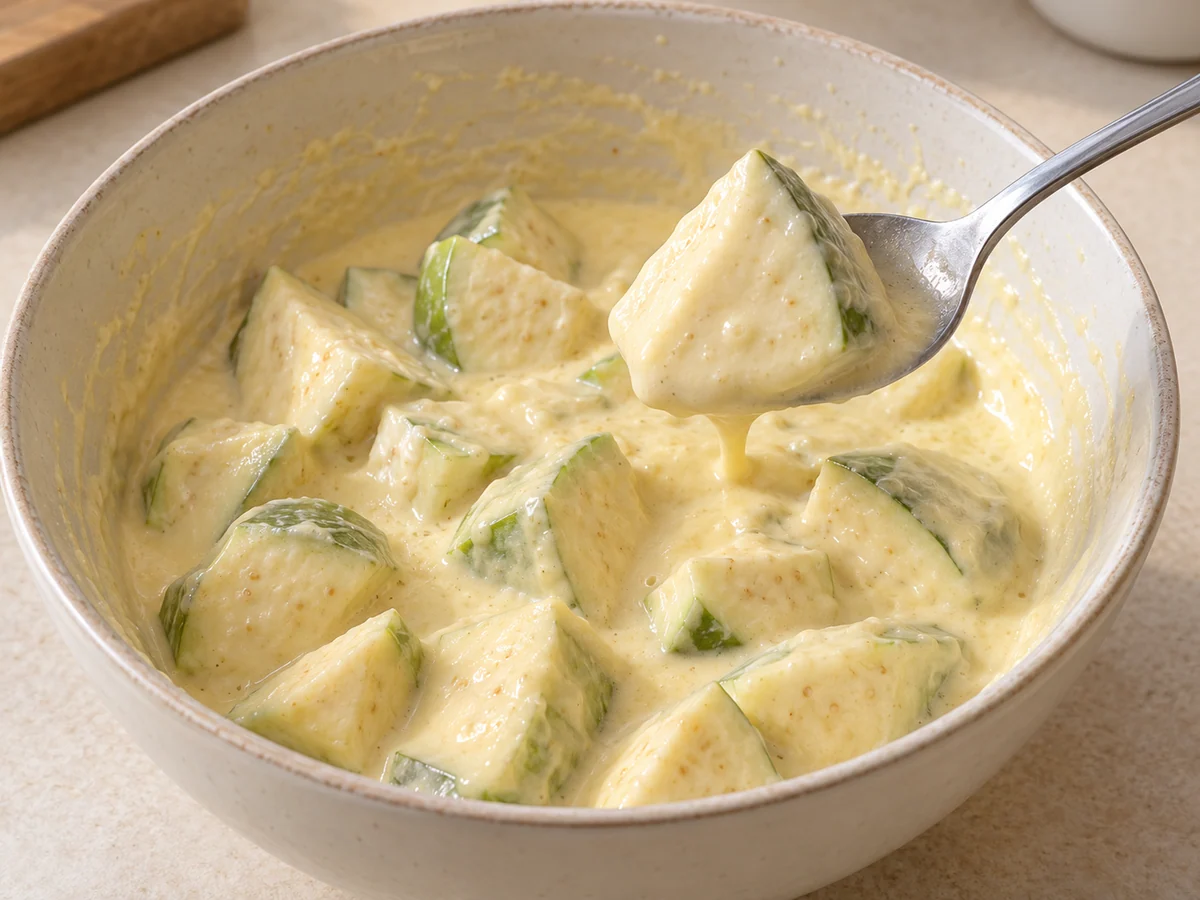
Soy-braised eggplantMix batter in order
Gradually mix initial water into flour to make a thick paste, then mix in starch and the listed extra water. Add egg and batter salt, mix out dry lumps and coat the eggplant evenly. Do not taste raw batter; wash after handling it.
Look forEggplant is evenly coated without dry flour lumps.
See the full recipe ↗ 
Blistered green peppersPrepare two mixtures
Mix garlic with oil in one bowl. In another, stir together sugar, soy sauce, vinegar and salt.
Look forGarlic oil and seasoning sauce are separate and ready.
See the full recipe ↗ 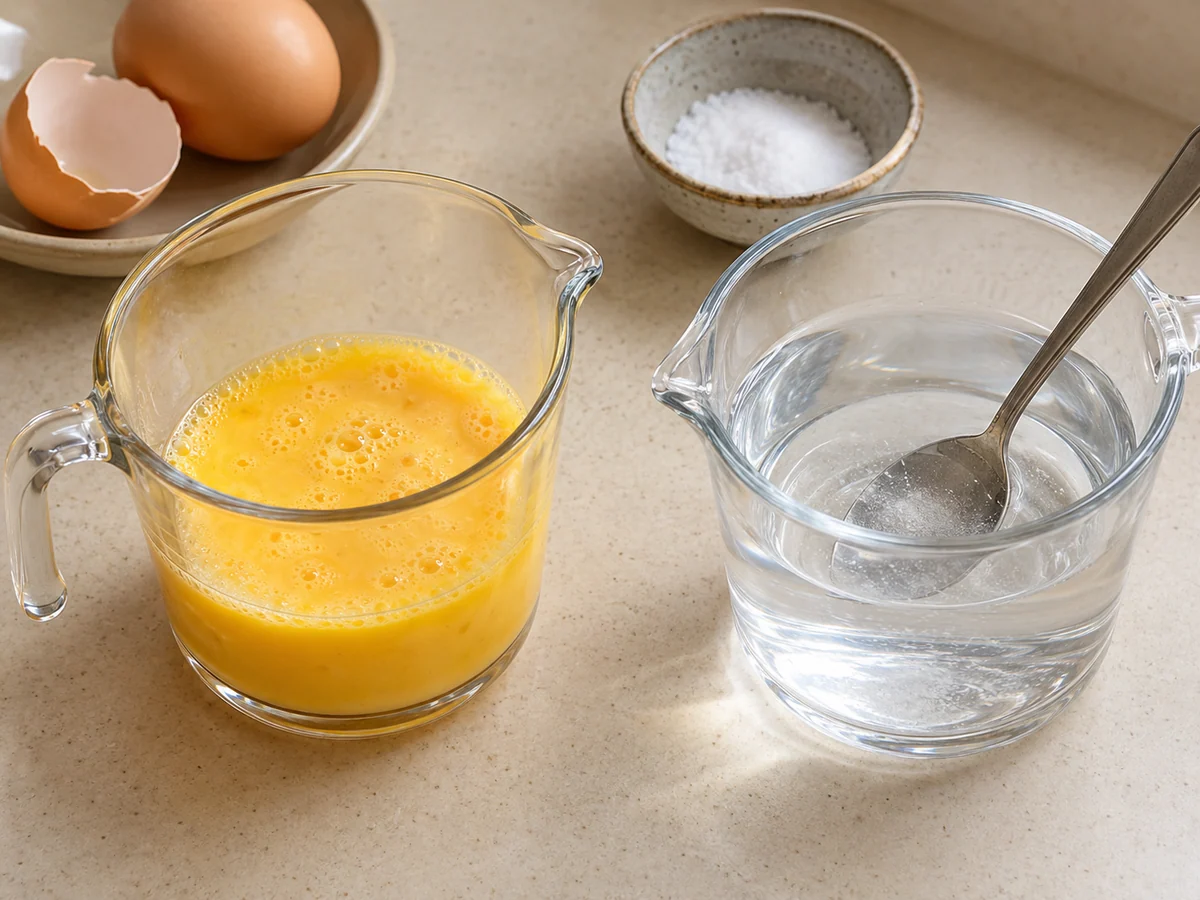
Steamed egg custardBeat eggs and measure water
Beat the eggs in a measuring cup and note their volume. Measure about 1.5 times that volume of lukewarm drinking water and dissolve the salt in it.
Look forThe eggs are evenly beaten and the salted water is measured against them.
See the full recipe ↗ 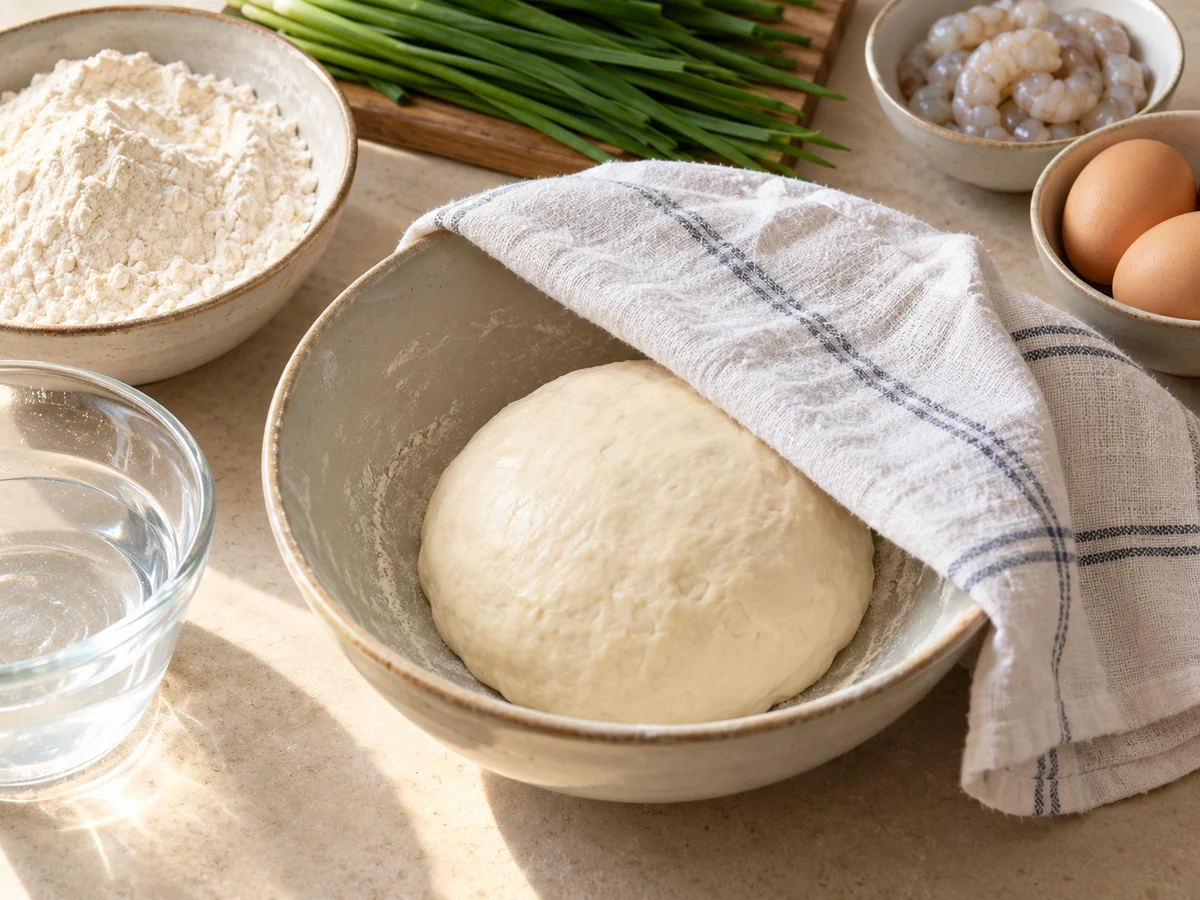
Chive and egg pocketsMake and rest the dough
Add water to the flour gradually, stir with chopsticks and knead into a soft dough. Cover with a damp cloth and rest for 30 min; avoid adding too much water at once.
Look forThe dough is soft, cohesive and covered to prevent drying.
See the full recipe ↗ 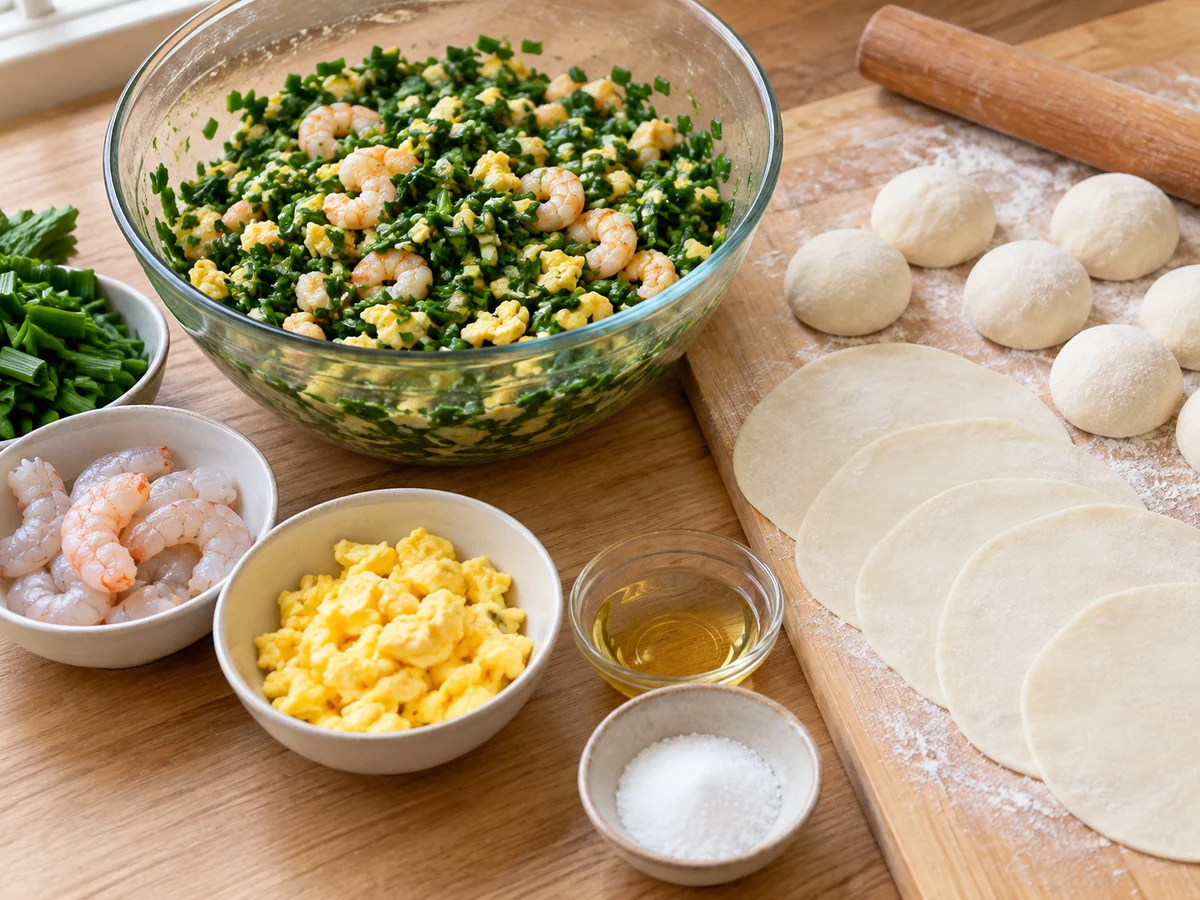
Chive and egg pocketsMix filling and roll wrappers
Coat chives with sesame oil, then add cooked egg and shrimp. Mix in salt just before wrapping. Divide and roll the dough into thin rounds. Wrap in batches without overfilling and refrigerate filling that must wait.
Look forThe filling is evenly mixed without pooled liquid and wrappers are evenly thin.
See the full recipe ↗ 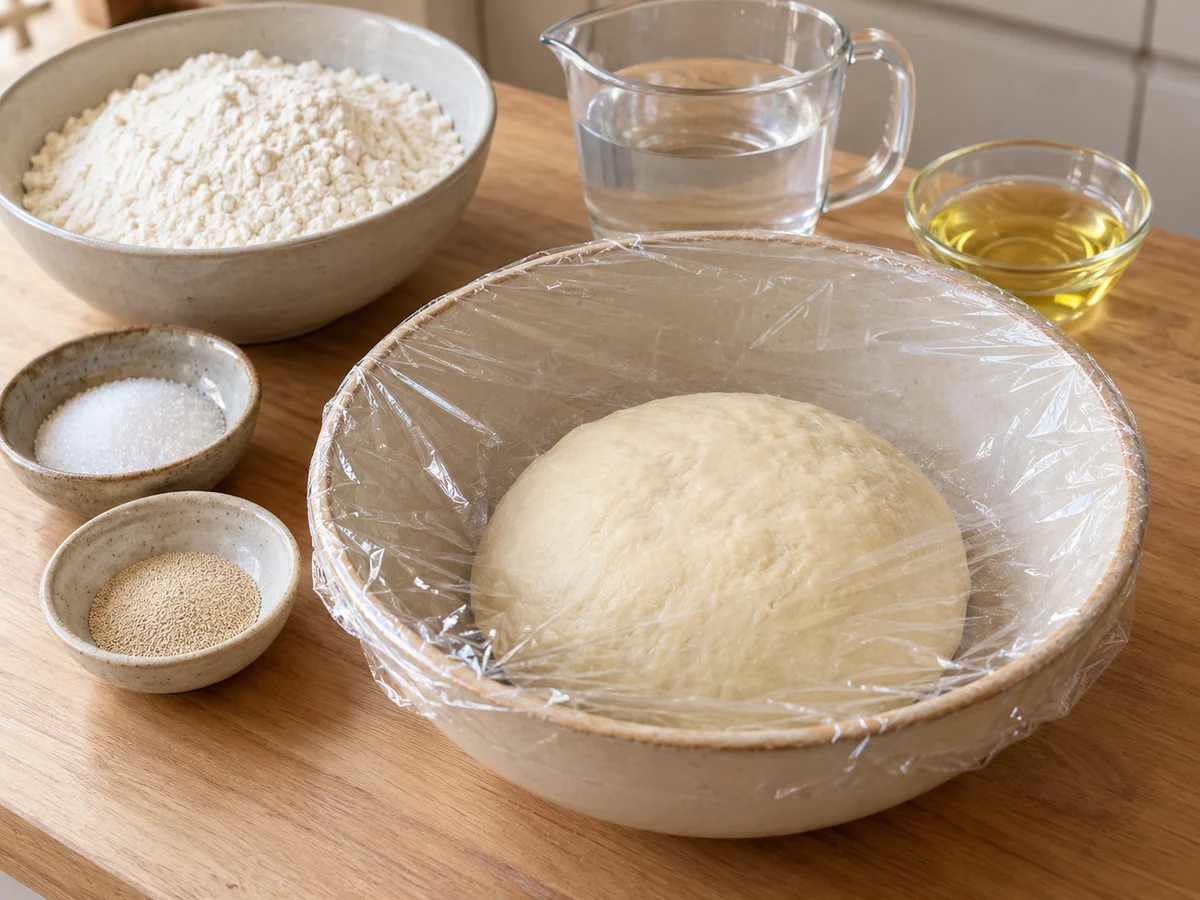
Sesame shaobingMix and relax the dough
Combine the dough flour, yeast, sugar, lukewarm water and dough oil. Knead, cover and rest for 10 min. Follow the yeast’s water-temperature guidance; this short rest checks relaxation, not full proofing.
Look forThe covered dough holds together and can be rolled without strong spring-back.
See the full recipe ↗ 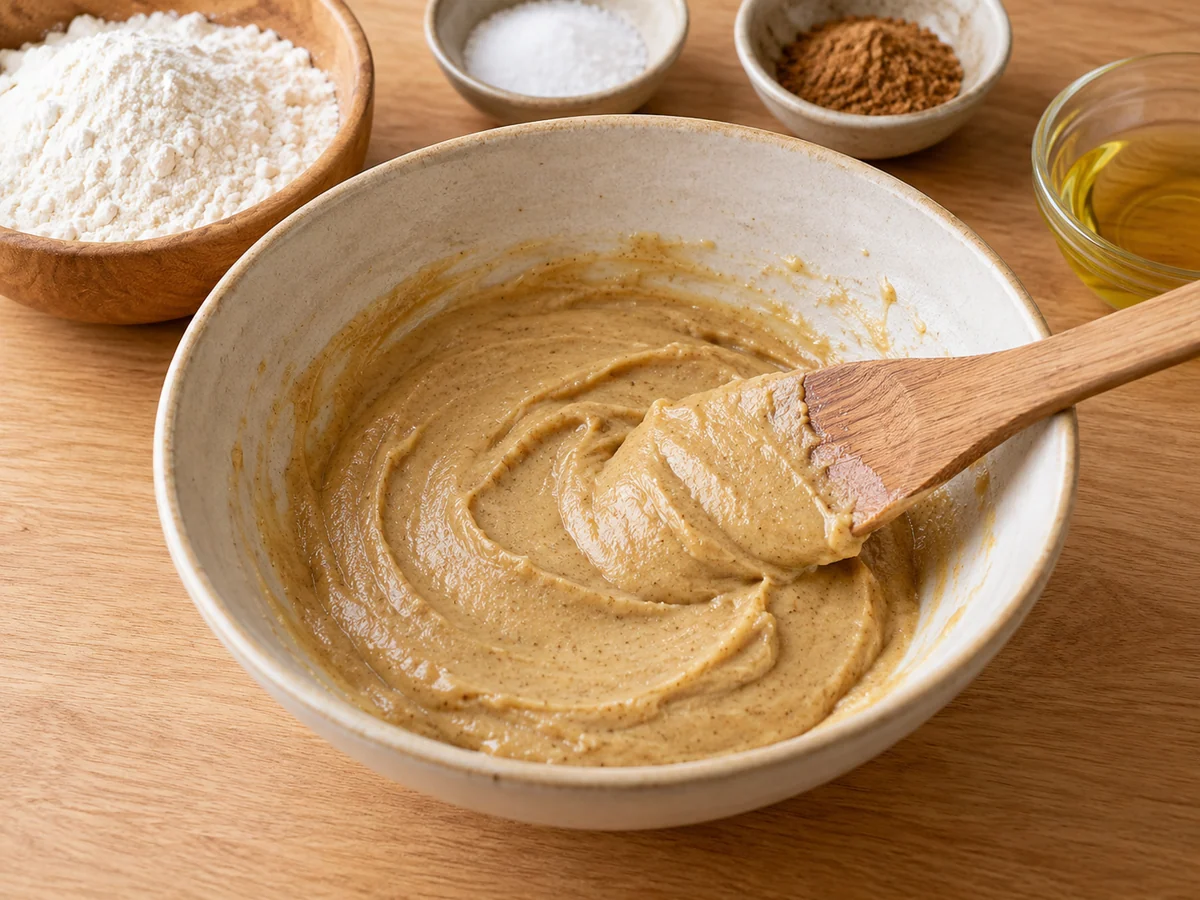
Sesame shaobingMix the pastry paste
Mix the pastry flour, salt, spice and pastry oil into a smooth spreadable paste without dry clumps.
Look forThe paste is smooth and spreadable, not watery.
See the full recipe ↗ 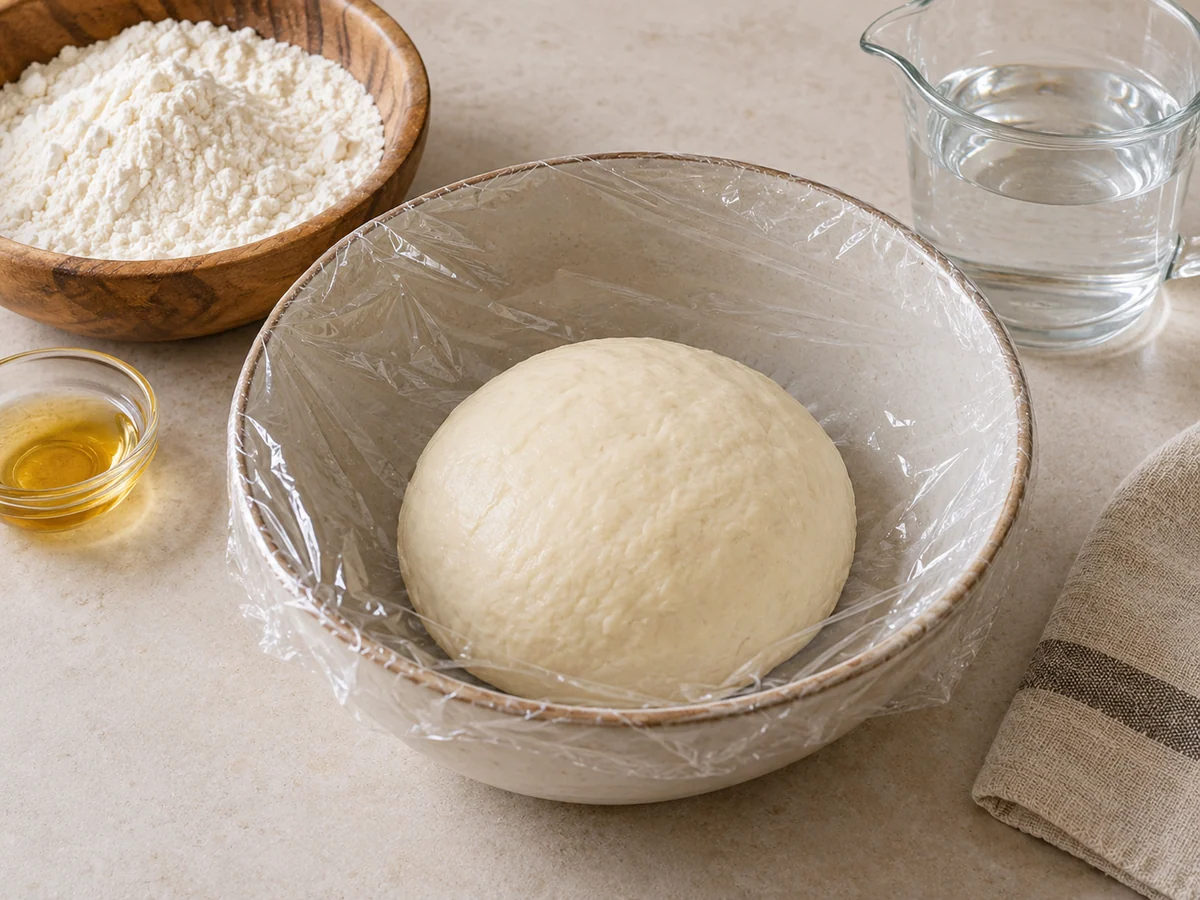
Handmade boiled dumplingsMix and rest the dough
Mix the dough oil into the flour, then add the cool water gradually. Stop when it forms a firm, even dough; not all water is necessarily needed. Cover and rest for 45 min.
Look forThe dough is cohesive, even and covered against drying.
See the full recipe ↗ 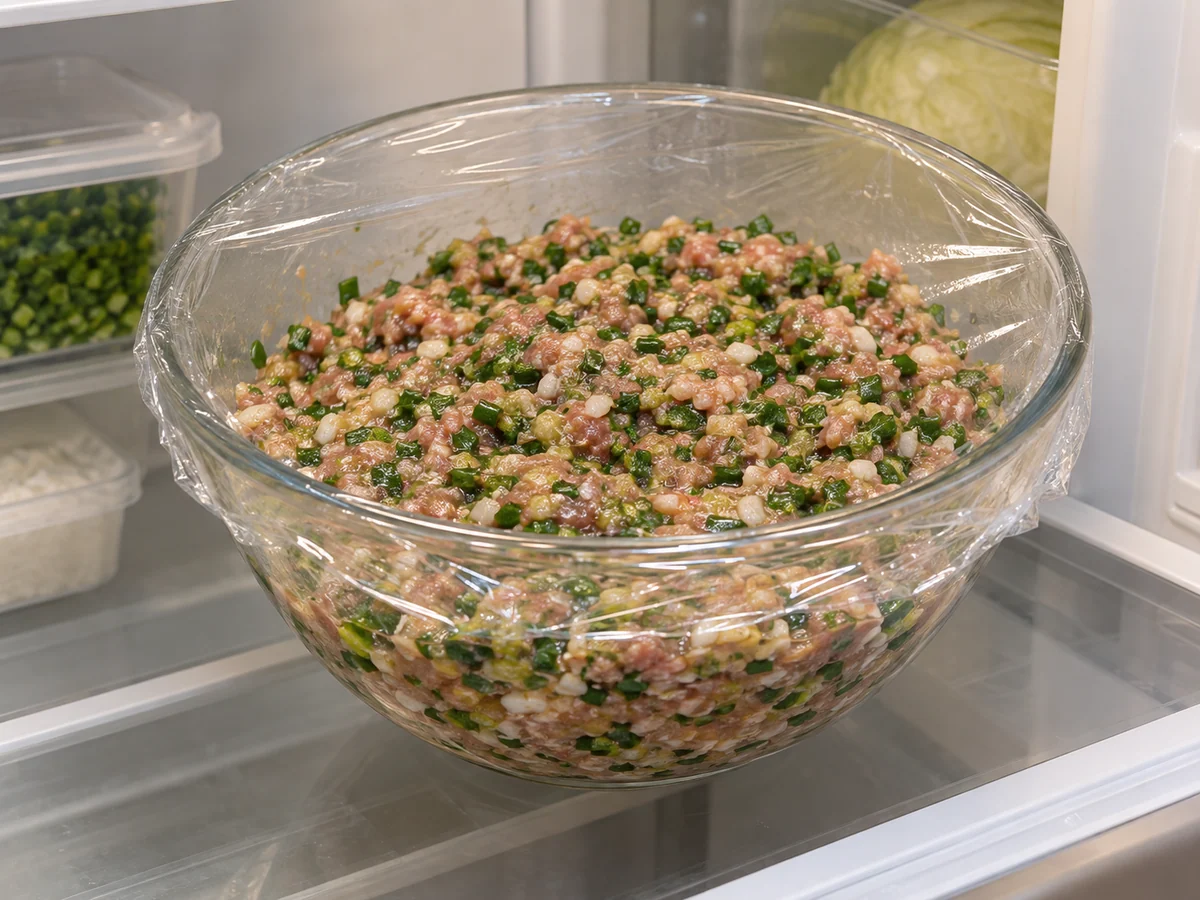
Handmade boiled dumplingsMix and refrigerate filling
Wash, thoroughly drain and mince the chives first. Add them gradually while the pork filling remains cohesive. Mince scallion and ginger and mix with the pork, optional fatty pork, chives, salt, oyster sauce, soy sauce, filling oil and egg white until cohesive. Cover and refrigerate for 30 min; do not leave raw filling waiting at room temperature.
Look forThe filling is evenly combined and refrigerated.
See the full recipe ↗ 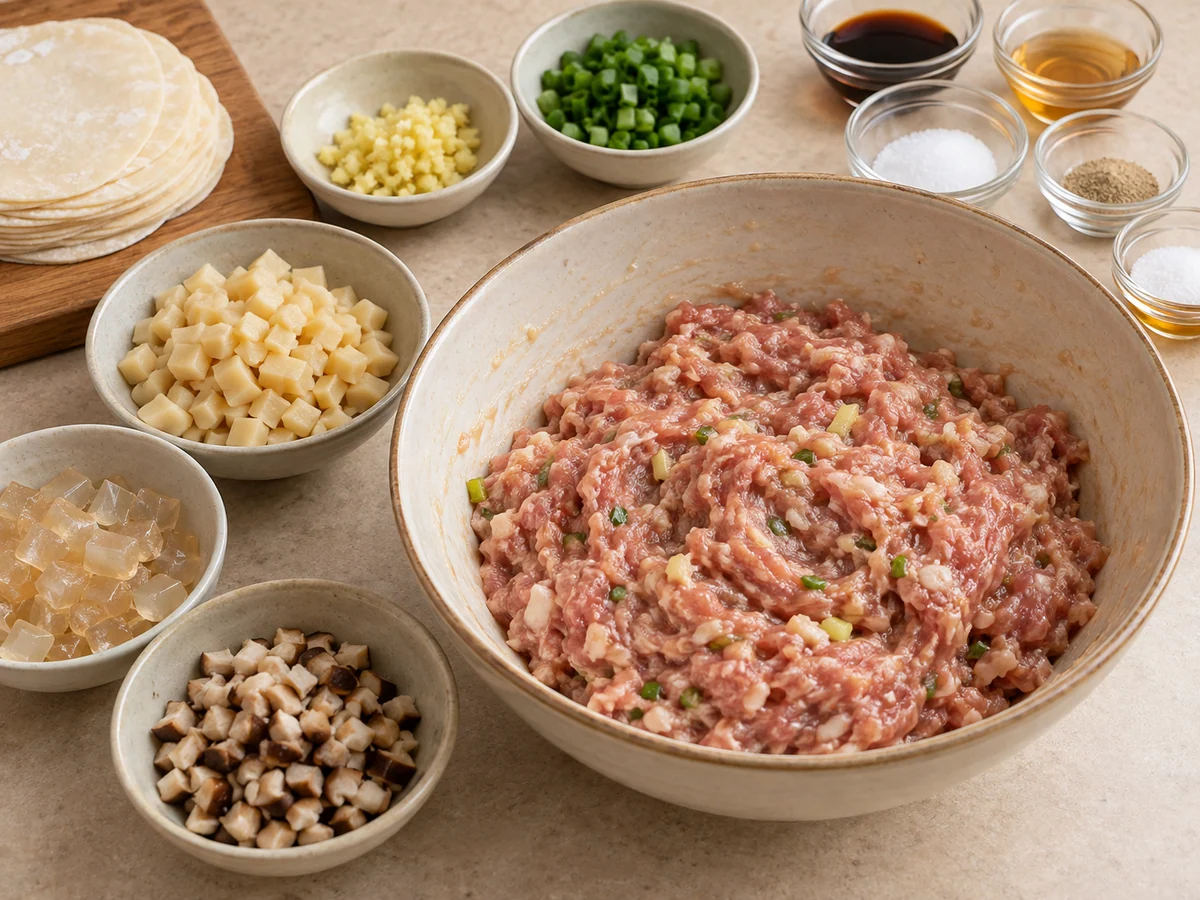
Pork shumaiPrepare additions and season pork
Mince ginger and scallion and dice any cooked bamboo shoots, aspic and mushrooms being used. Mix pork with ginger, scallion, soy sauce, wine, salt and optional sugar and pepper, stirring until cohesive.
Look forThe pork is cohesive and additions are small enough for the filling.
See the full recipe ↗ 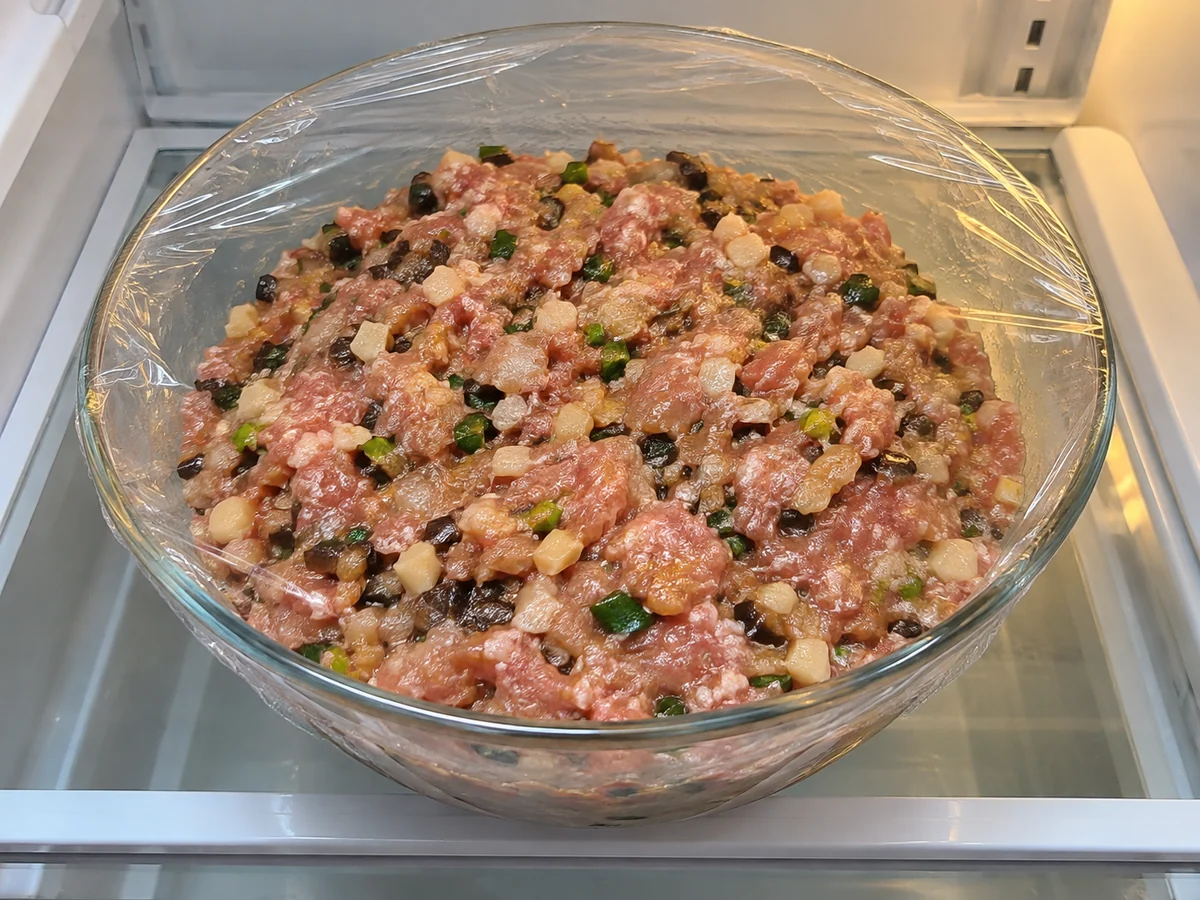
Pork shumaiAdd stock and chill
Mix in the stock gradually, letting it absorb before adding more. Fold in the chosen additions and sesame oil. Cover and refrigerate for 30 min. Keep optional shrimp refrigerated separately and clean raw-meat utensils promptly.
Look forThe filling absorbs the stock without becoming runny and holds its shape under refrigeration.
See the full recipe ↗ 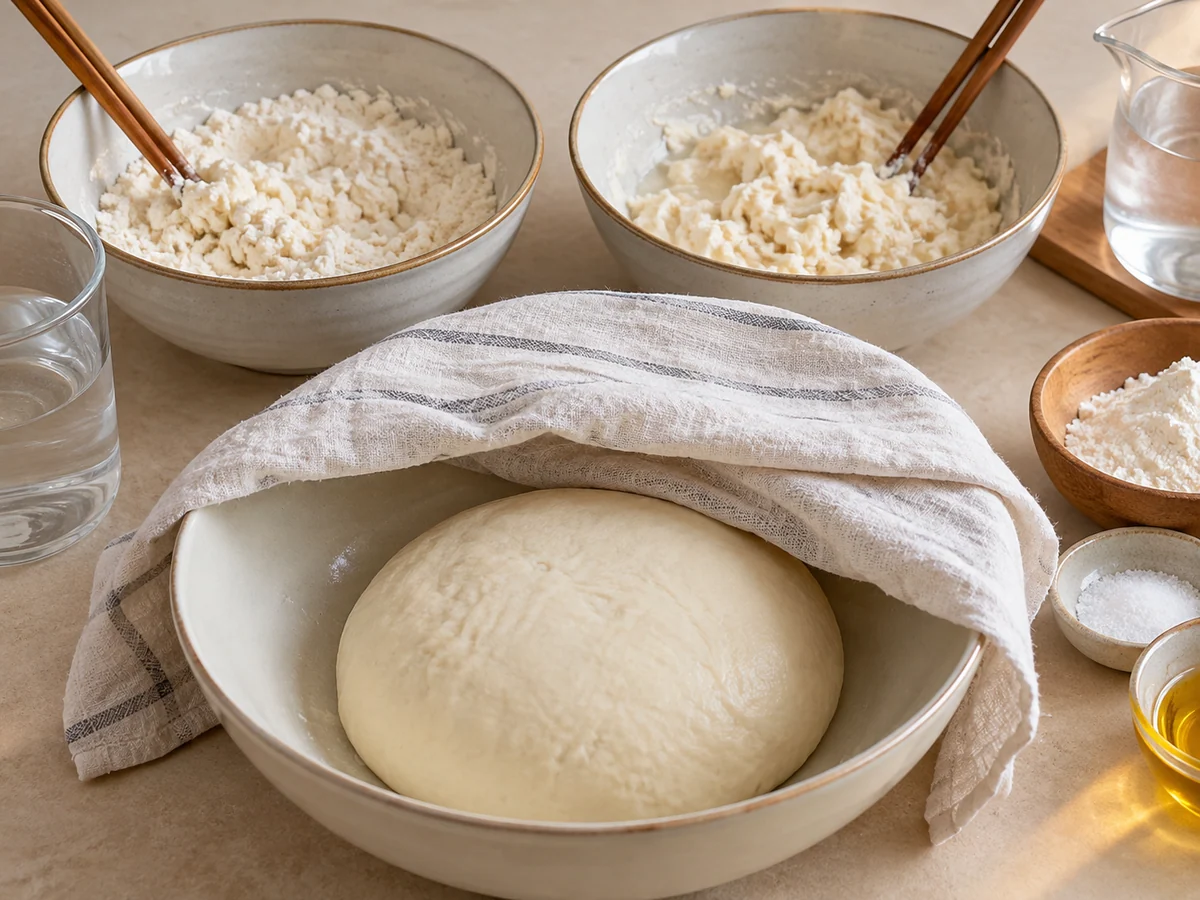
Pan-cooked flatbreadMix partly scalded dough and rest
Divide the dough flour in half, mixing one half with cool water and the other with hot water using chopsticks. Once safe to handle, combine and knead, then cover and rest for 40 min.
Look forThe dough is even and soft and covered against drying.
See the full recipe ↗ 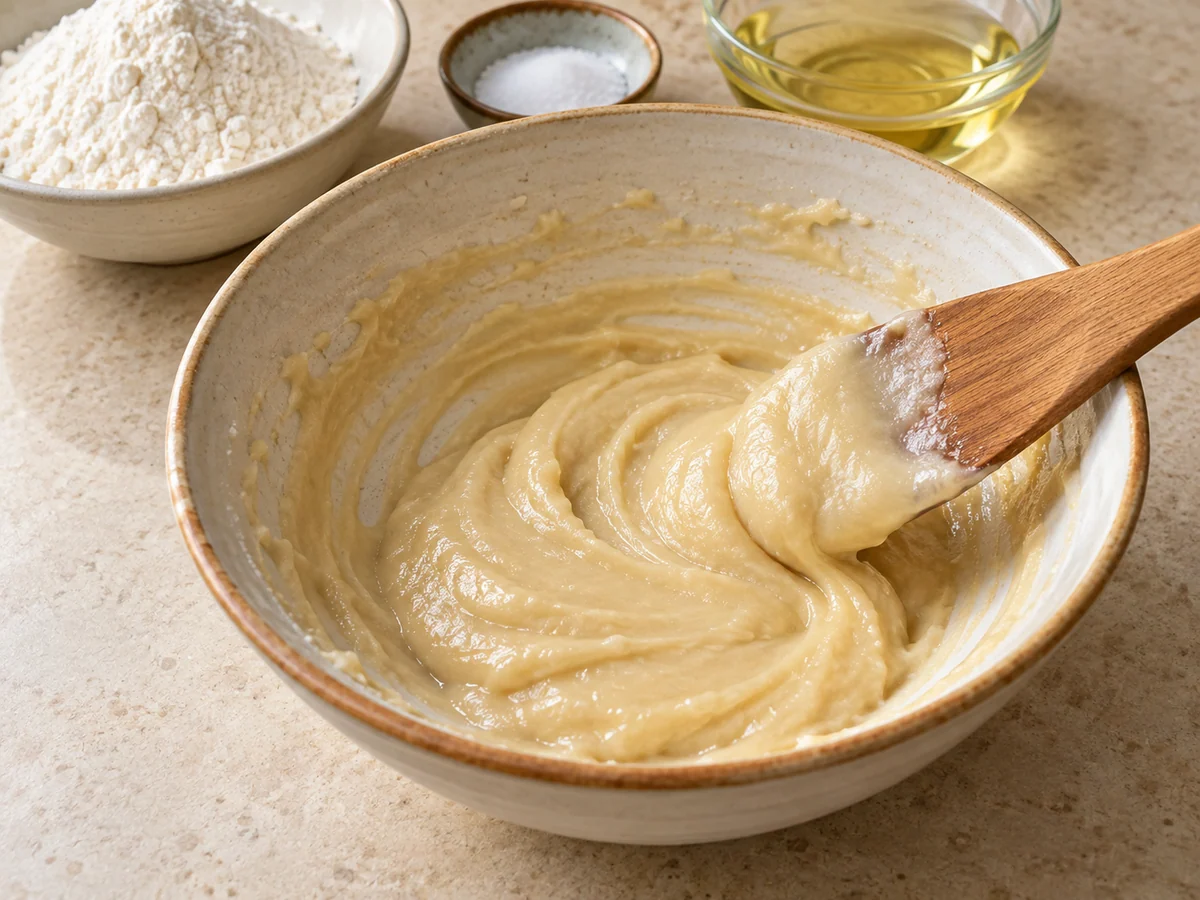
Pan-cooked flatbreadMix a room-temperature pastry paste
Mix the pastry flour, salt and oil into a thick paste without dry flour. This version uses room-temperature oil and does not require pouring extremely hot oil into flour.
Look forThe paste spreads smoothly without dry clumps.
See the full recipe ↗ 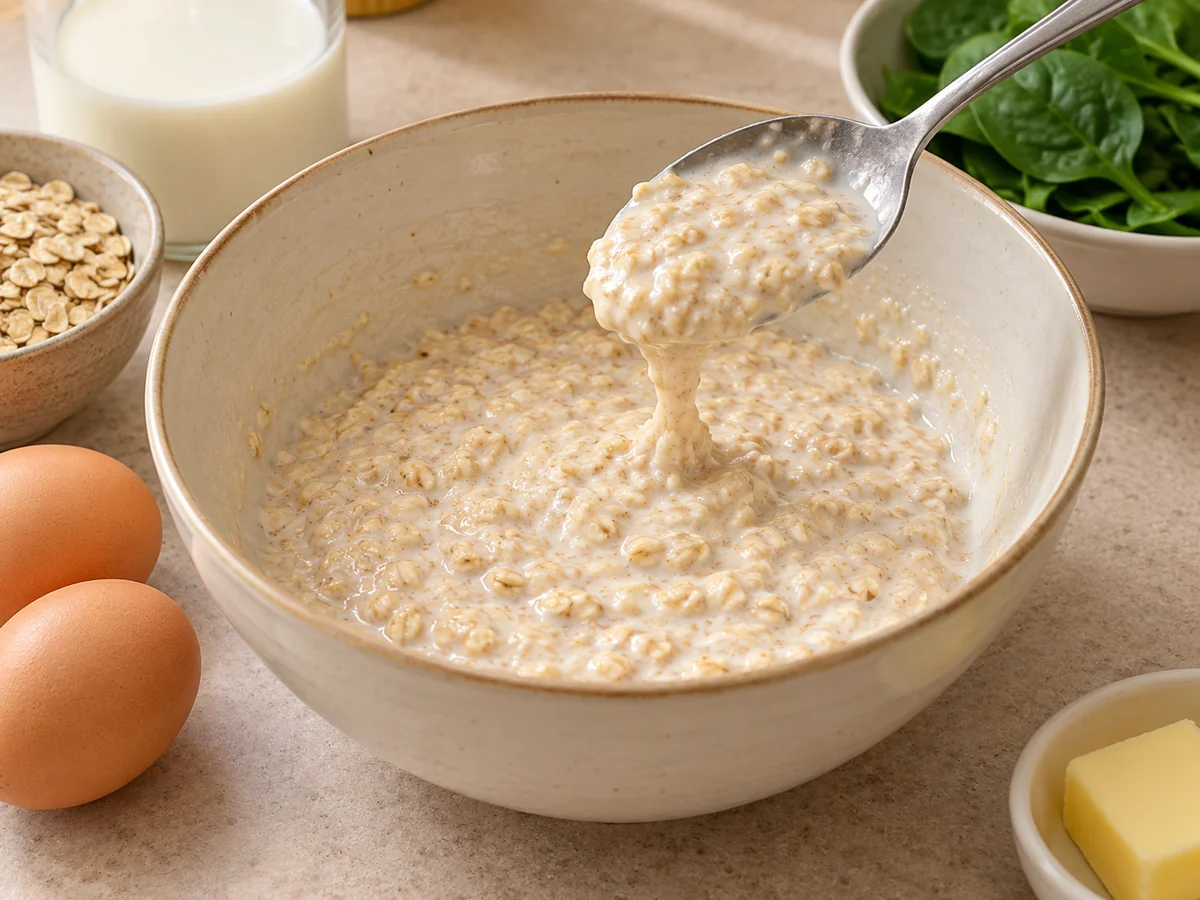
Oat and egg pancakesCombine oats and milk
Mix oats and milk and let the oats soften into a spoon-coating mixture. If using oats that require longer cooking, prepare them according to the package first.
Look forThe oats are softened and the mixture is thick but flows.
See the full recipe ↗ 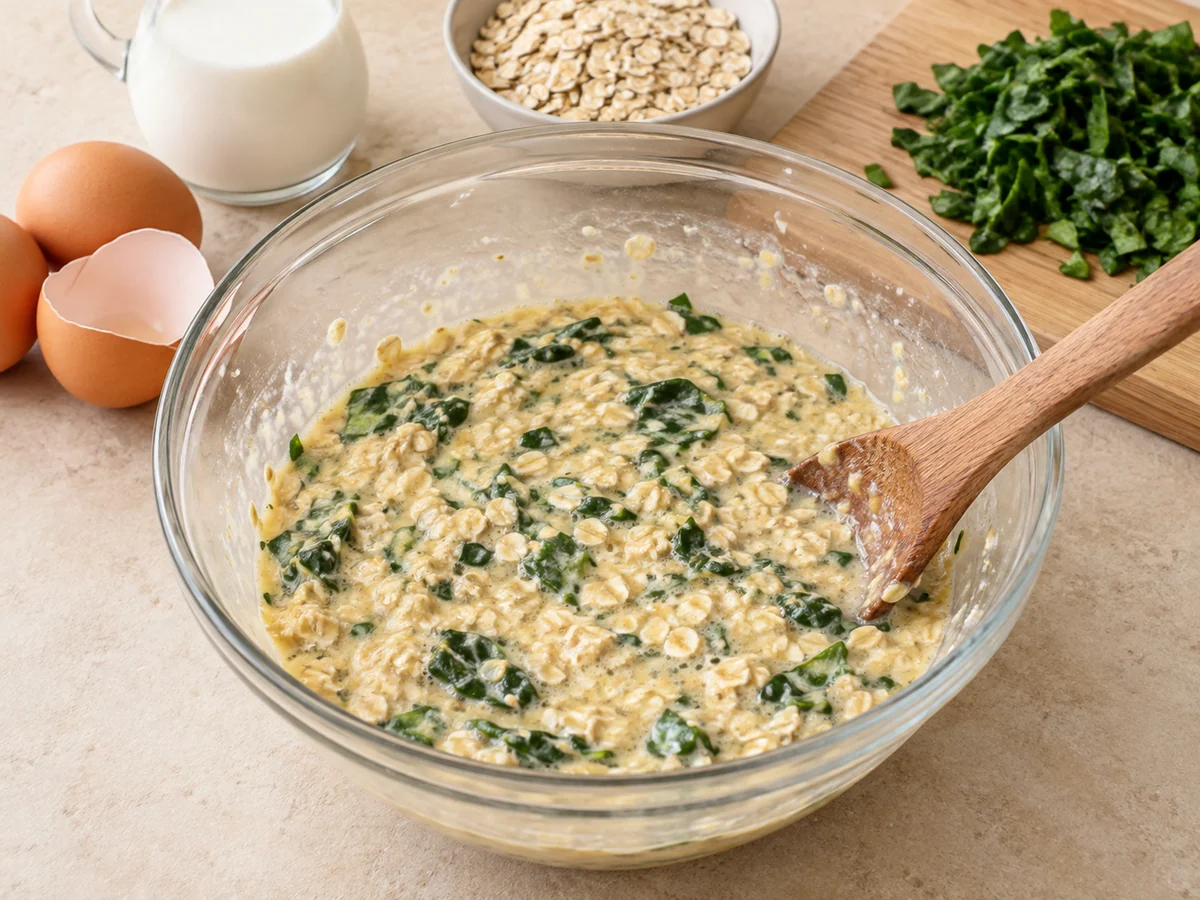
Oat and egg pancakesAdd eggs and optional spinach
Beat the eggs and mix into the oat batter. If using spinach, wash, drain thoroughly, chop and fold it in. Wash after handling raw egg.
Look forEgg and oats are evenly combined with no large dry clumps.
See the full recipe ↗ 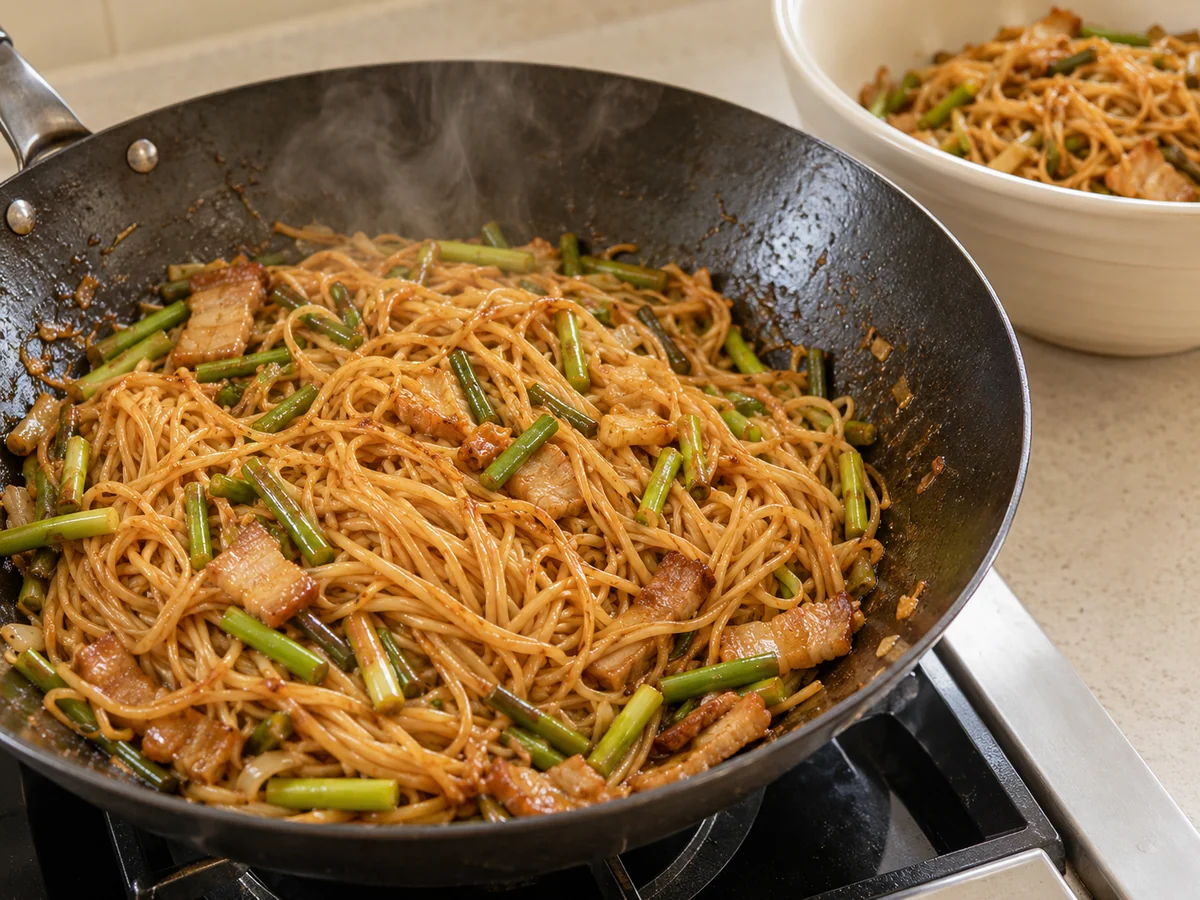
Henan steamed noodlesSimmer sauce and coat the noodles
Add the sauce water and bring to a boil. Fold in the first-steamed noodles gently and set a 3 min check. Transfer to a heatproof bowl once evenly coated and absorbing sauce; do not fry the pan dry.
Look forThe noodles are evenly colored and sauce is distributed between them.
See the full recipe ↗ 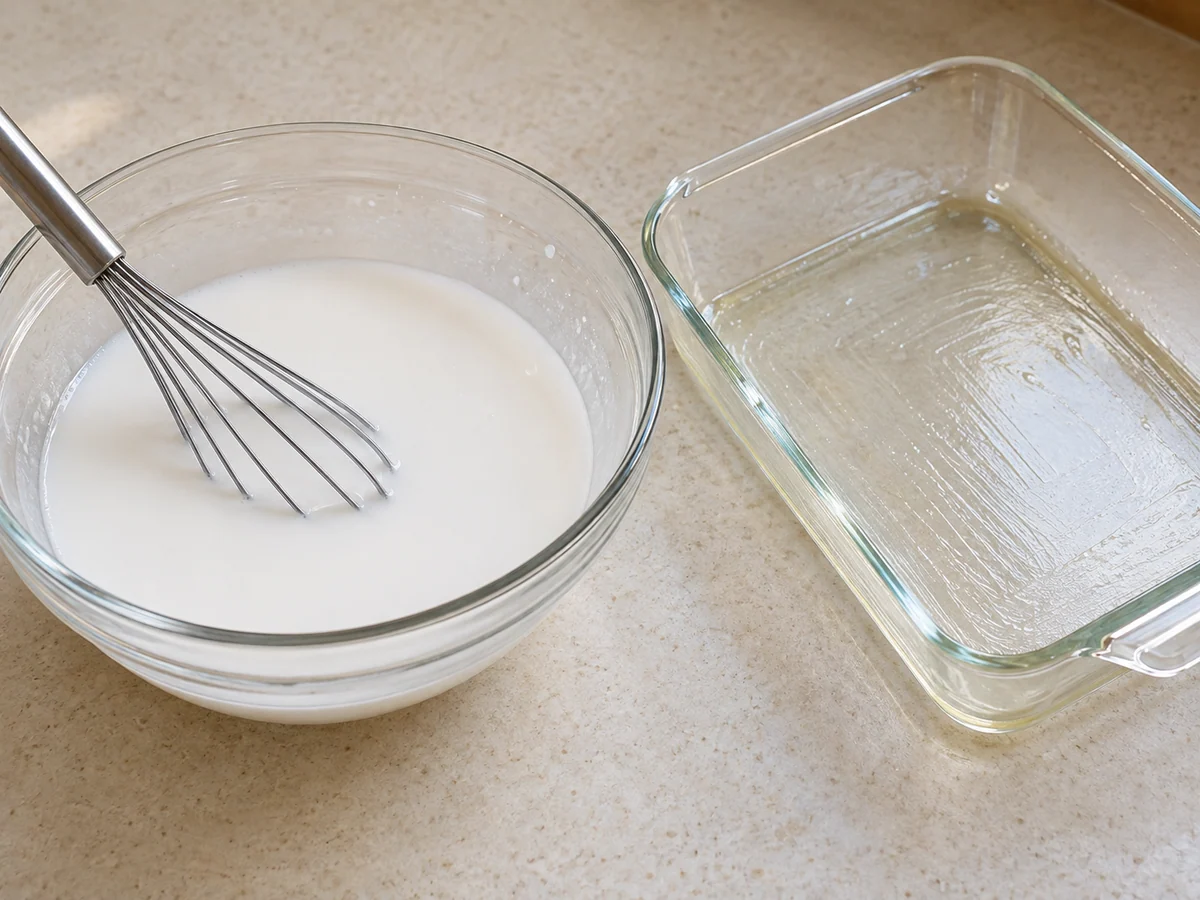
Pea-starch jellyMix the starch slurry
Mix pea starch with the cool slurry water until no dry powder remains. Lightly oil a shallow heatproof container and set it on a stable surface.
Look forThe slurry has no dry powder and the mold is ready.
See the full recipe ↗ 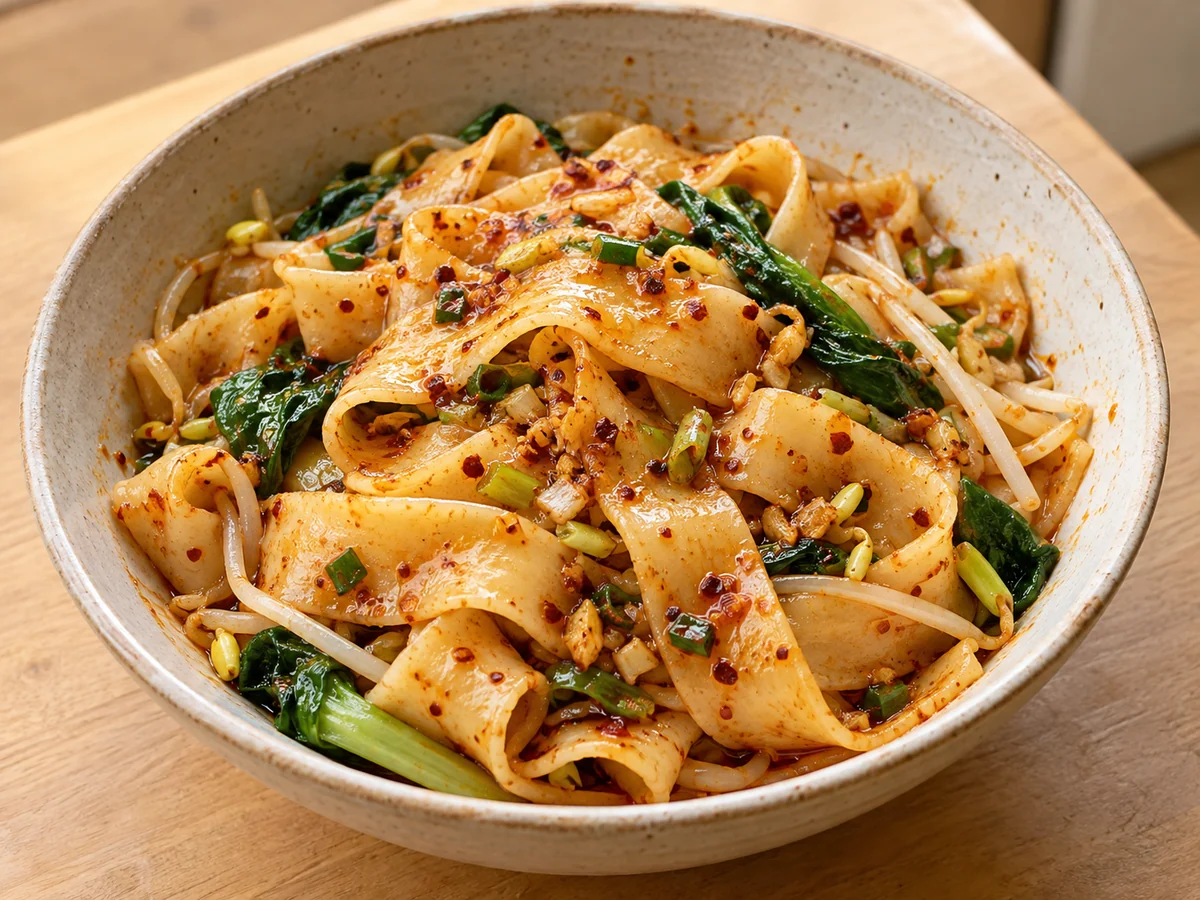
Shaanxi hot oil noodlesToss and serve warm
Toss thoroughly with chopsticks and cool slightly before eating.
Look forThe wide noodles are evenly coated with the fragrant chili dressing.
See the full recipe ↗ 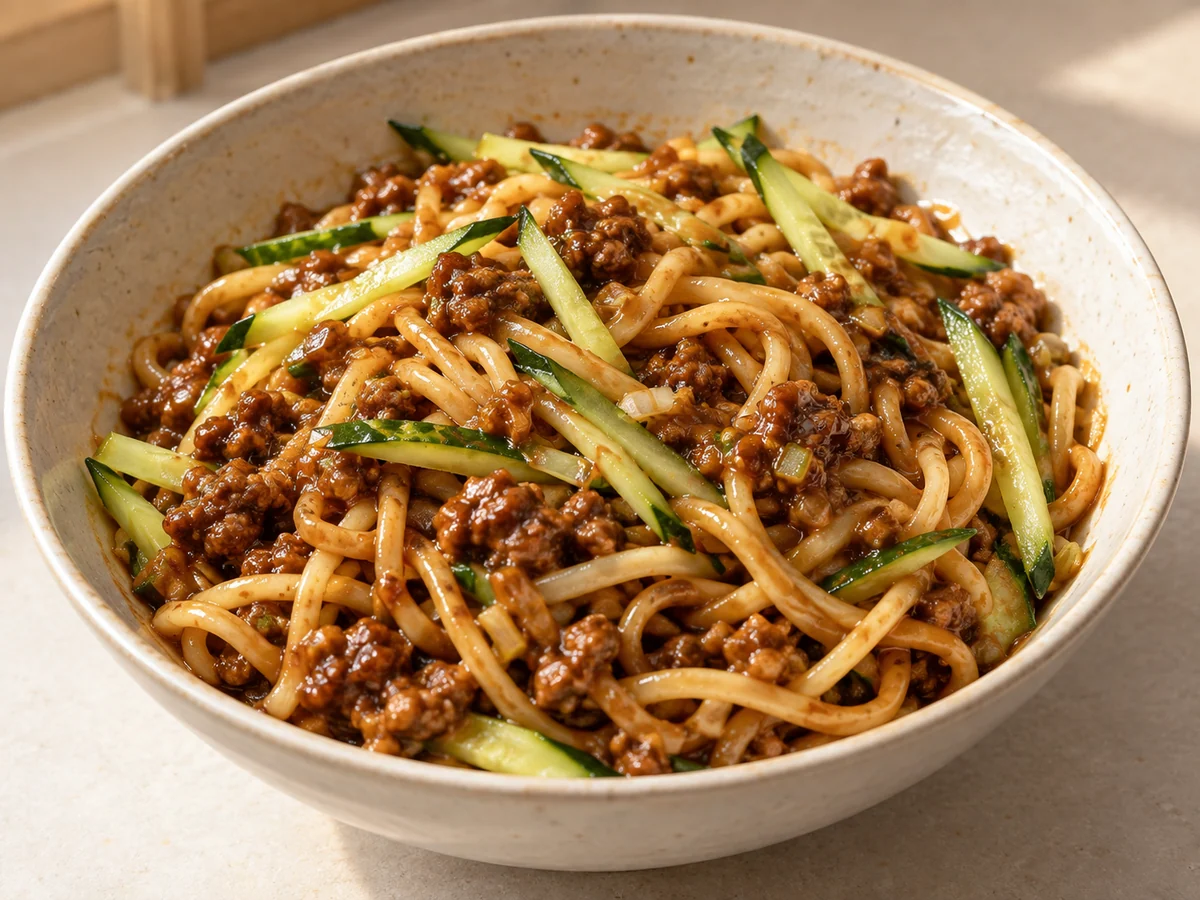
Zhajiang noodlesAdd sauce and cucumber
Toss with some hot pork sauce first, adding more to taste, then mix in the cucumber and serve.
Look forThe noodles are evenly sauced with crisp cucumber.
See the full recipe ↗ 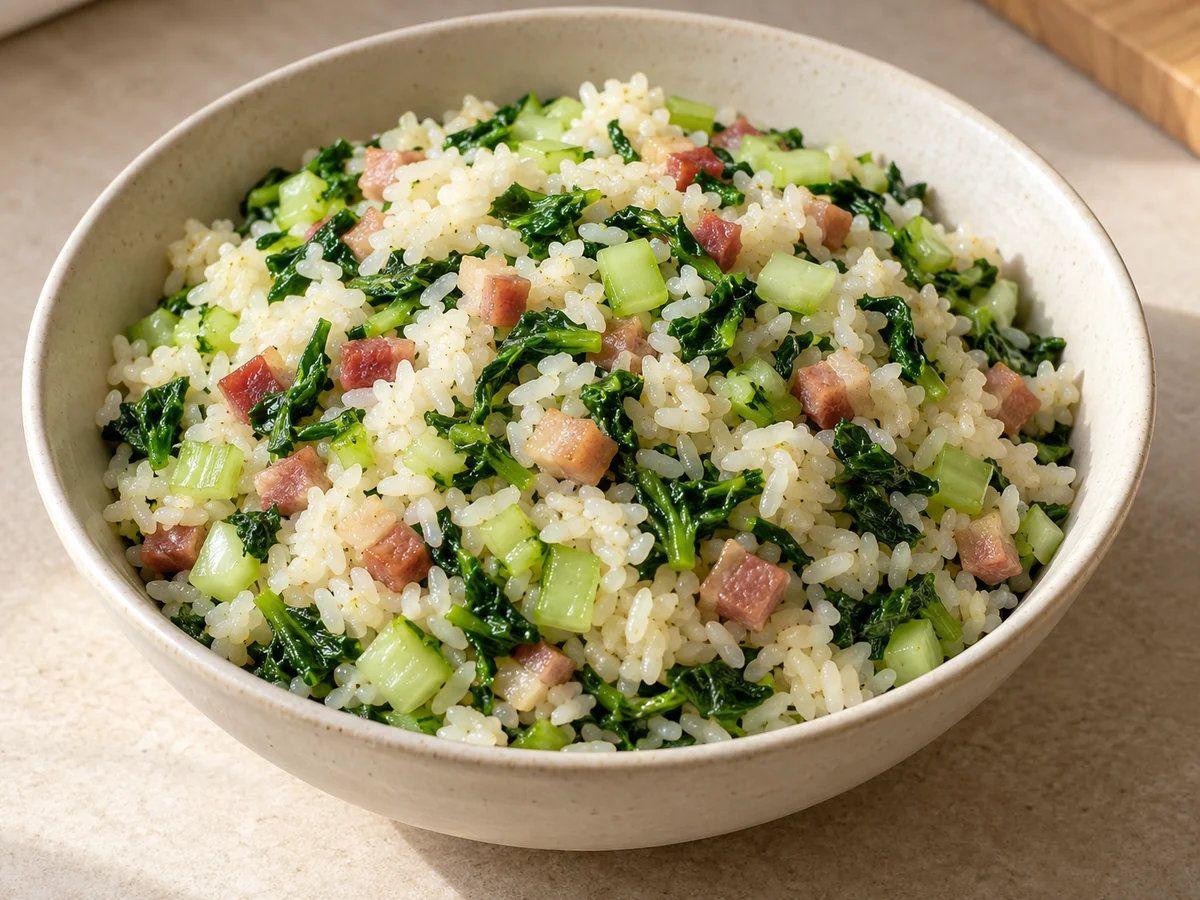
Salted pork and greens riceRest and fold in greens
After rice and pork are fully cooked, cover and set a 5 min rest reminder. Fold in the cooked leaves and optional white pepper and serve promptly.
Look forThe rice is loosened with evenly distributed pork, stems and leaves.
See the full recipe ↗ 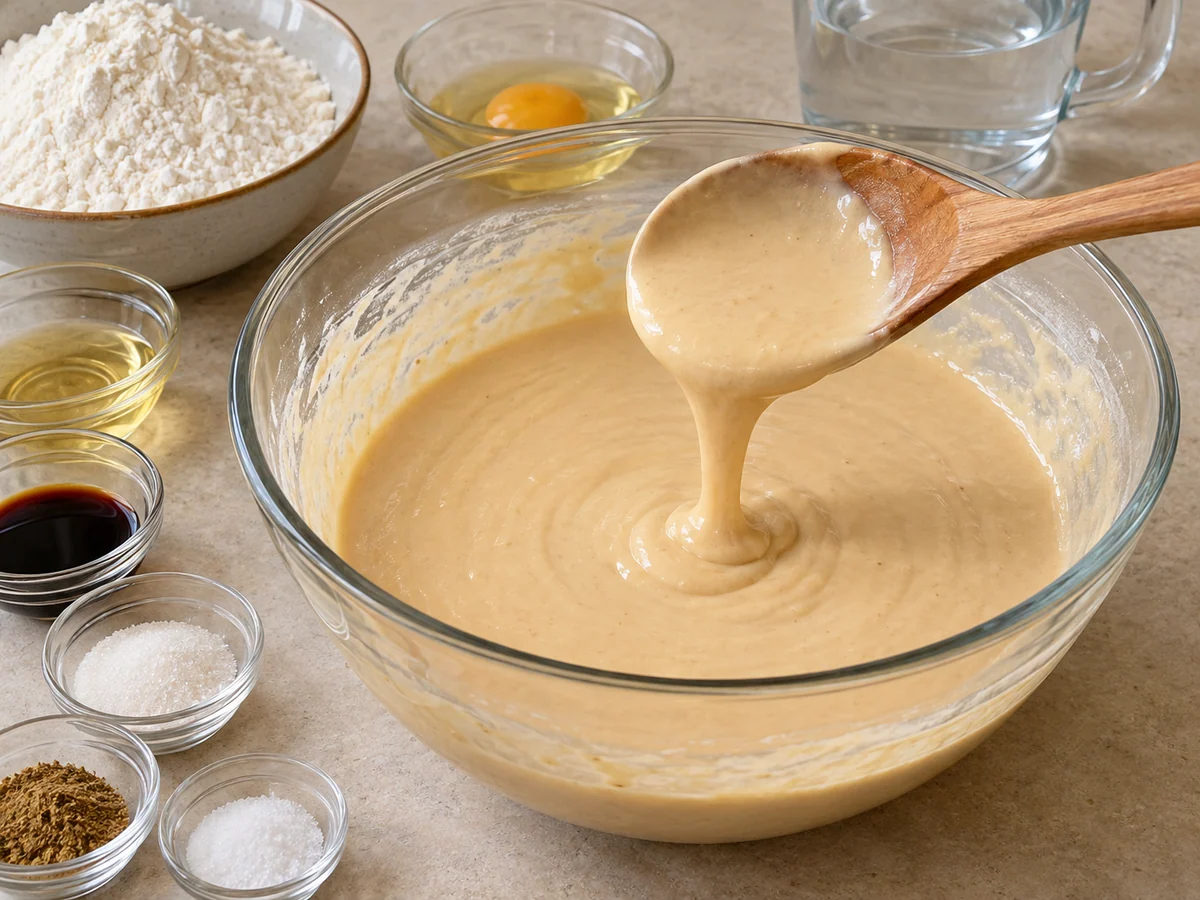
Chinese savory pork pancakesMix the batter
Mix flour with the optional egg and the separately reserved half of each oil, salt, sugar, soy and optional cumin. Add water gradually for a thick batter that flows slowly and spreads. Water needs differ without egg, so do not force one fixed amount.
Look forThe batter is smooth without dry flour and spreads slowly.
See the full recipe ↗ 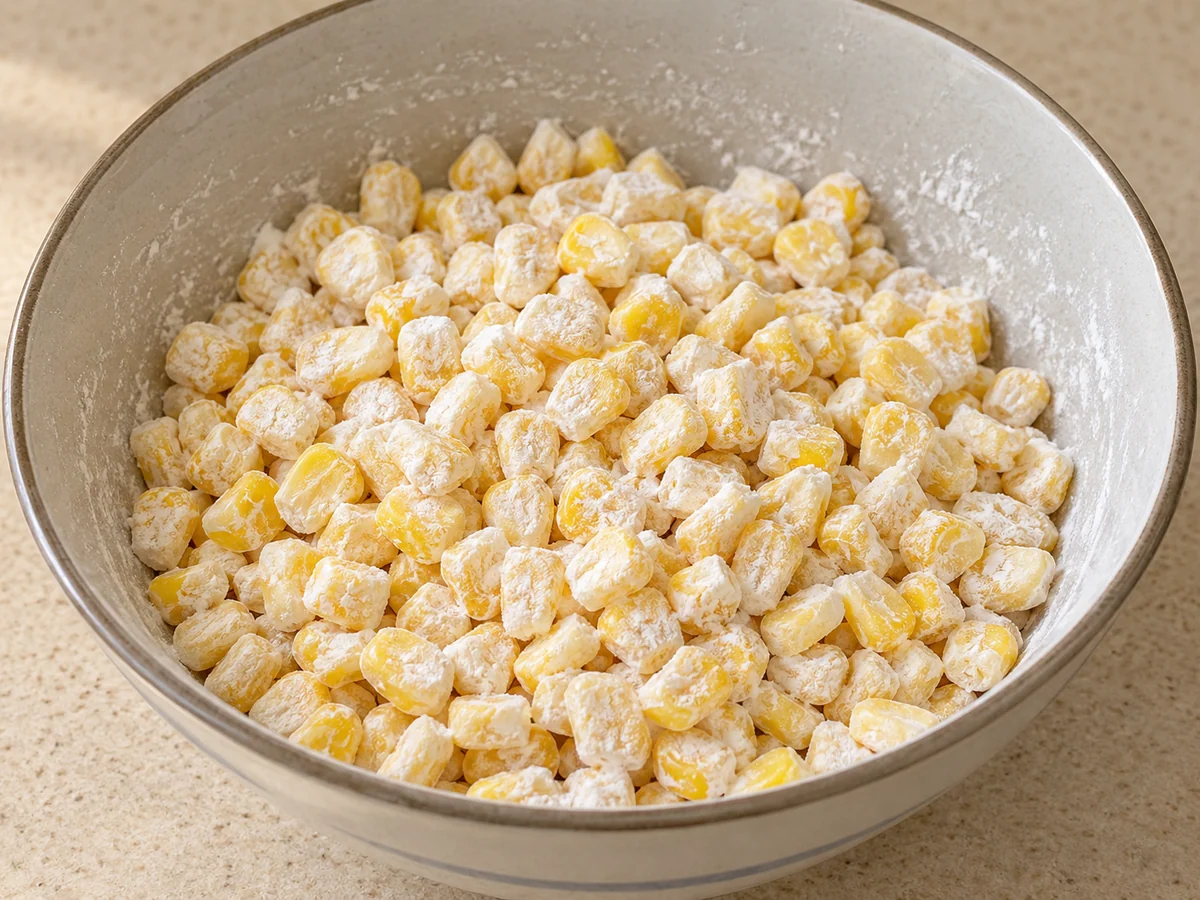
Pepper-salt cornCoat lightly with starch
Add starch gradually and toss gently until each kernel has a thin coating. Shake off loose flour rather than tipping it into the pan.
Look forThe kernels carry an even thin white coating and remain separate.
See the full recipe ↗ 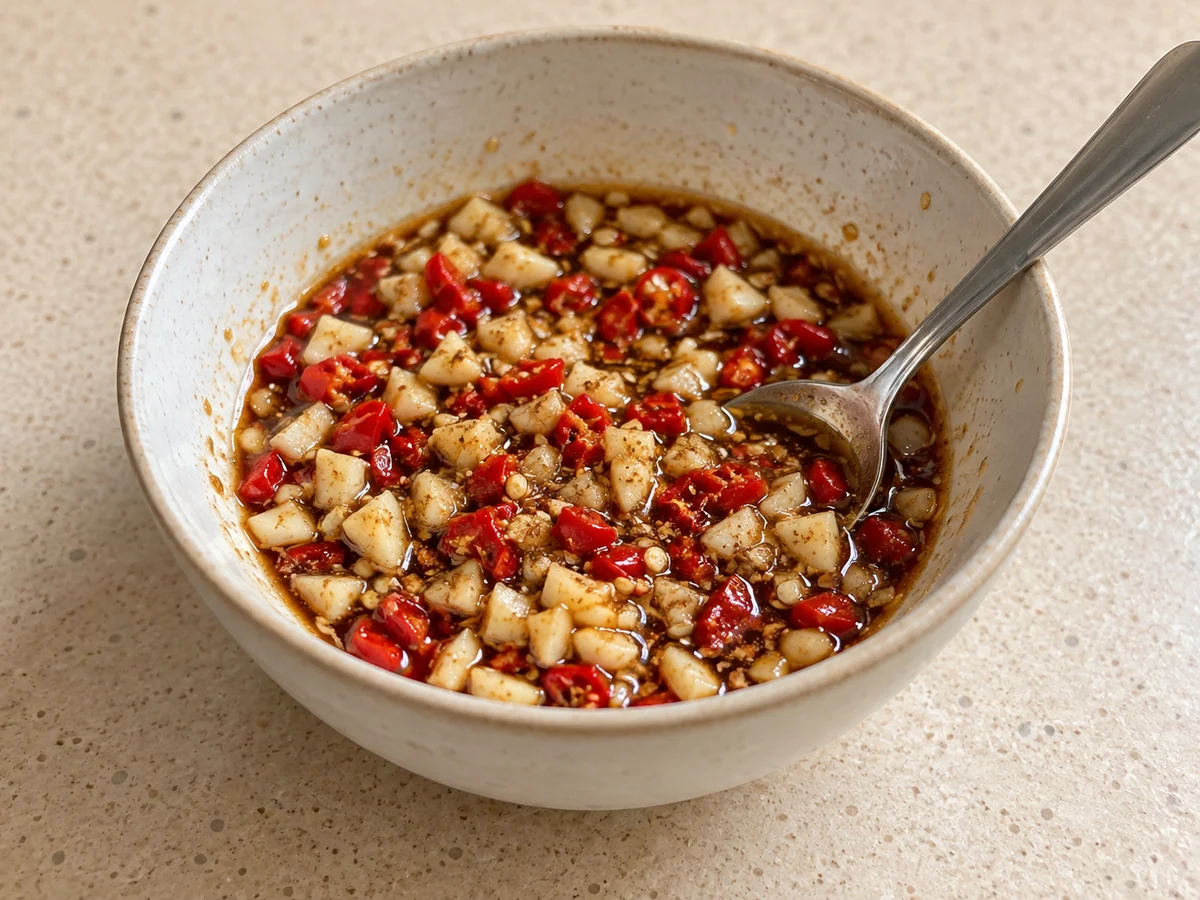
Garlic roasted eggplantMix the garlic sauce
Mince the garlic and chili and mix with light soy sauce, cumin and salt. Wash hands after handling chili and avoid touching your eyes.
Look forMinced garlic and chili are evenly mixed into the sauce.
See the full recipe ↗ 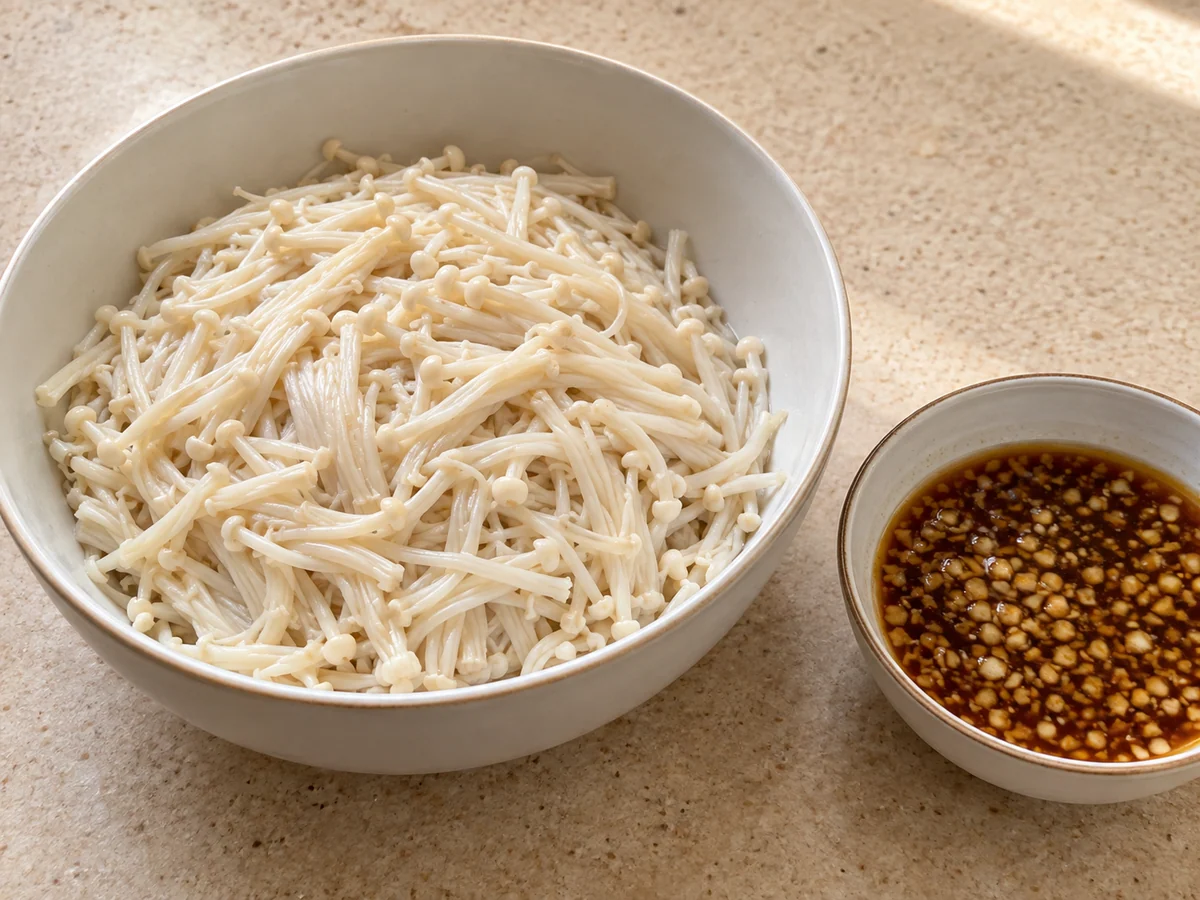
Enoki mushroom saladDrain and mix dressing
Drain thoroughly in a clean strainer and transfer to a clean bowl. In another bowl, mix soy sauce, vinegar, garlic and optional sugar and sesame oil until any sugar dissolves.
Look forCooked mushrooms have no pooled water and the dressing has no visible sugar grains.
See the full recipe ↗ 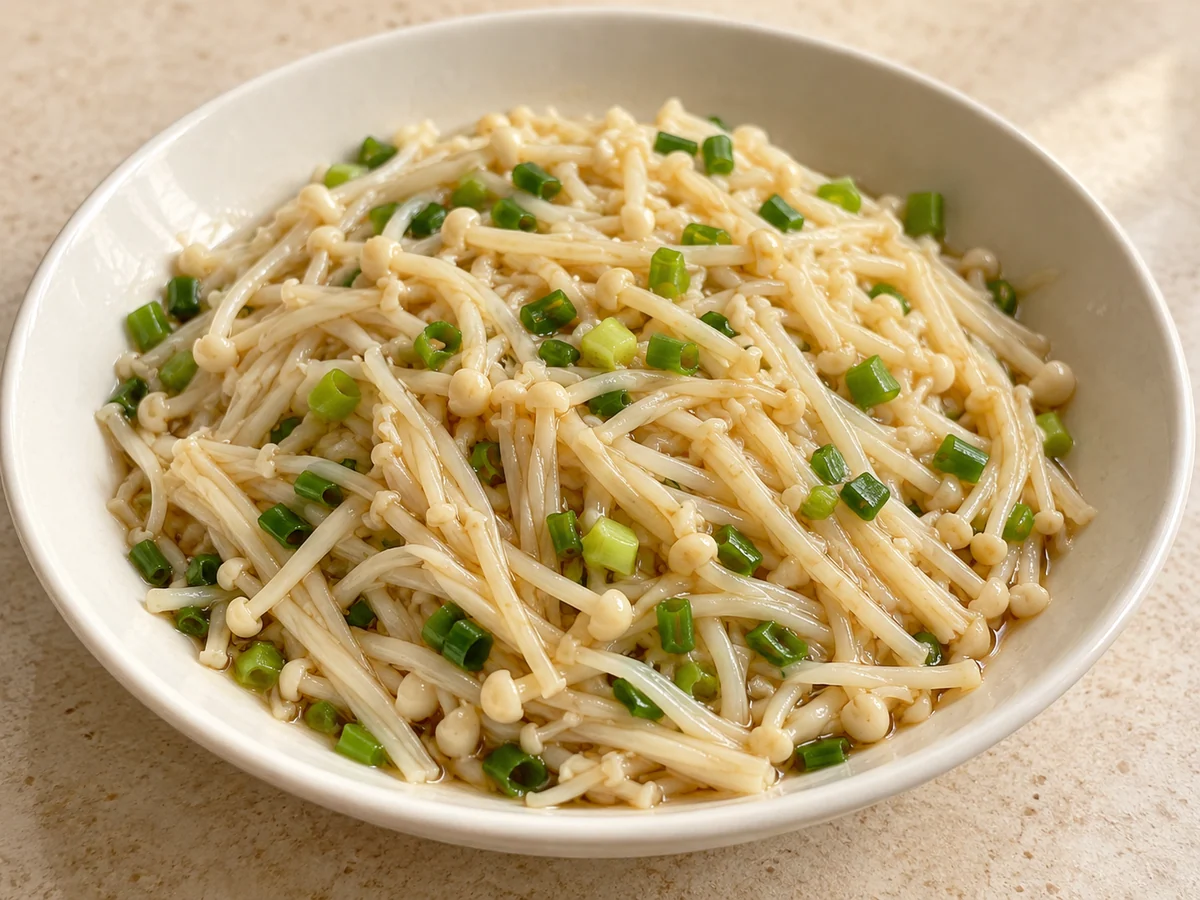
Enoki mushroom saladToss and serve promptly
Pour dressing over the enoki, add scallion and optional chili oil and toss gently. Serve after brief cooling, or refrigerate promptly for a chilled dish rather than leaving it at room temperature.
Look forThe dressed enoki strands remain separate with scallion scattered through them.
See the full recipe ↗ 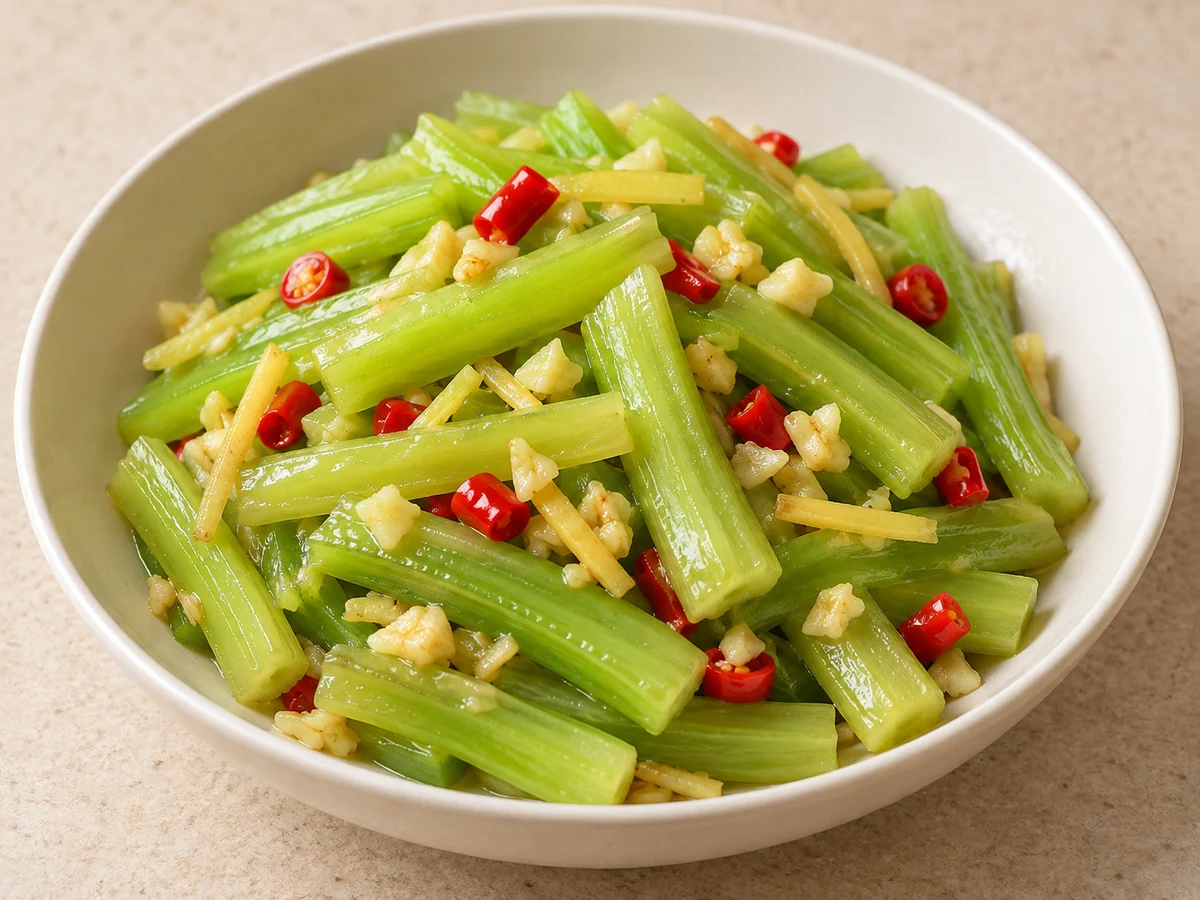
Celtuce saladDress the batons
Carefully add the aromatic oil to the batons in a heatproof bowl and toss with long chopsticks. Serve after brief cooling, or refrigerate promptly if serving chilled.
Look forCeltuce batons have a thin oil coating with aromatics evenly dispersed.
See the full recipe ↗ 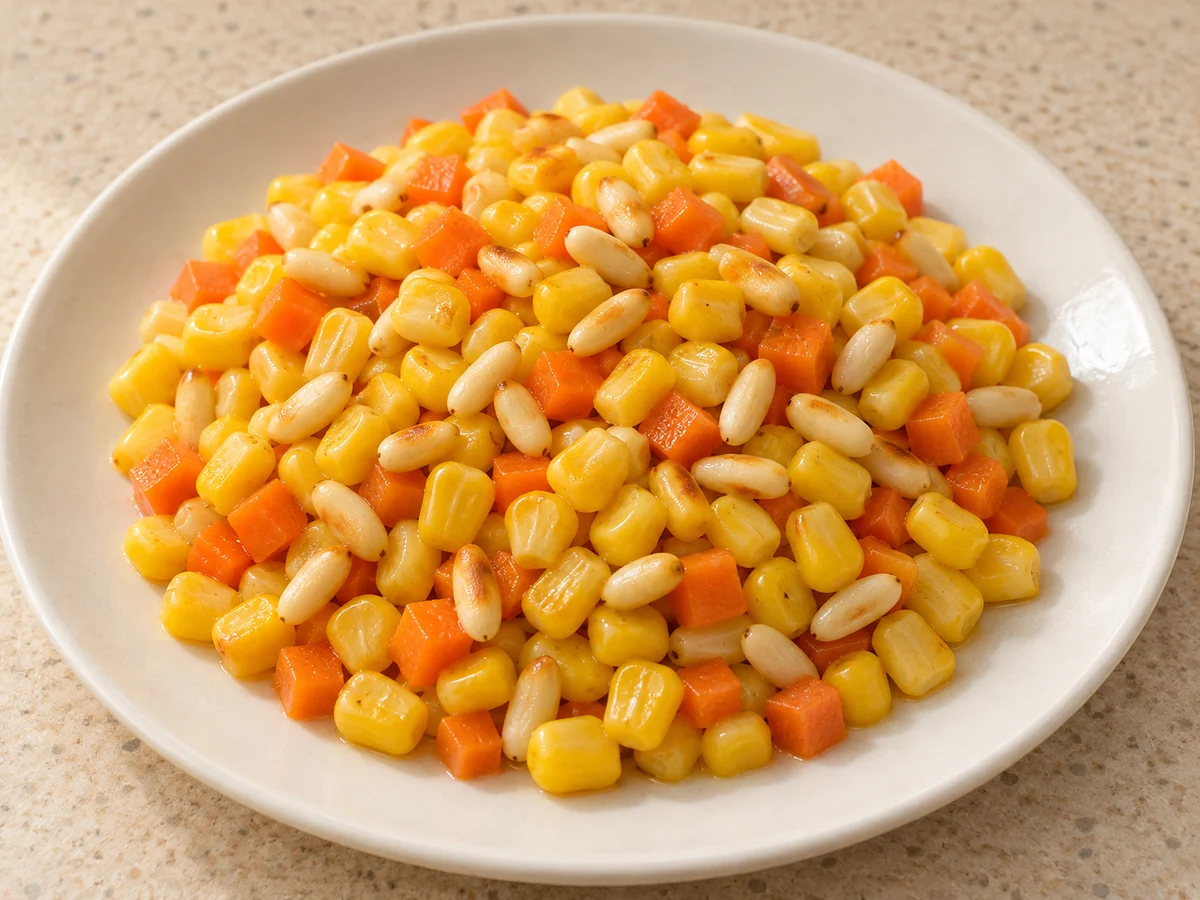
Pine nut and corn stir-fryFold in pine nuts and serve
Fold in the toasted pine nuts and remove from the heat promptly to preserve their crunch.
Look forGolden corn has a light glossy coating with pine nuts evenly dispersed.
See the full recipe ↗ 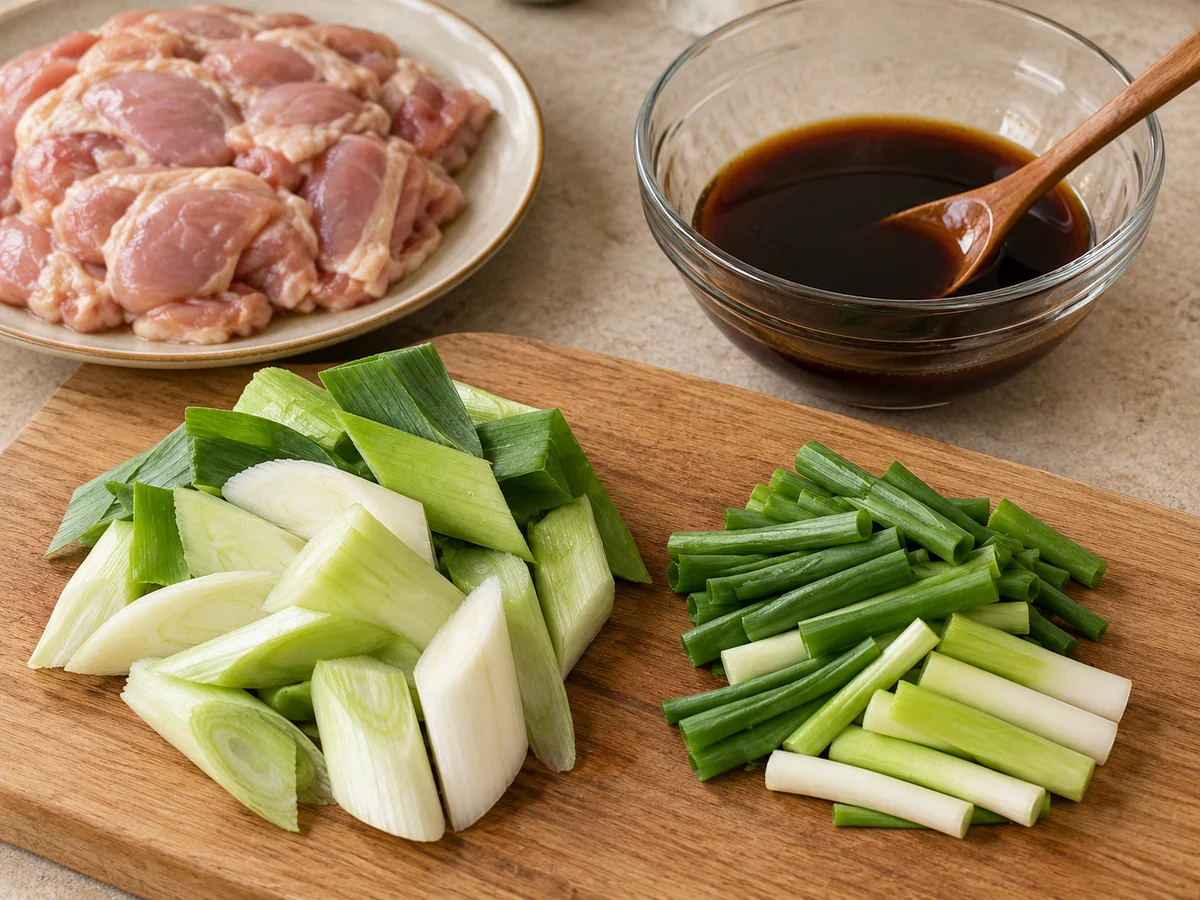
Scallion-braised chicken legsCut alliums and mix sauce
Cut Chinese leek into thick slices and scallion into short lengths. Mix remaining light soy with sugar and any optional dark soy and oyster sauce. Omitting optional sauces does not require automatically adding salt.
Look forAlliums are prepared and sugar evenly mixed into the sauces.
See the full recipe ↗ 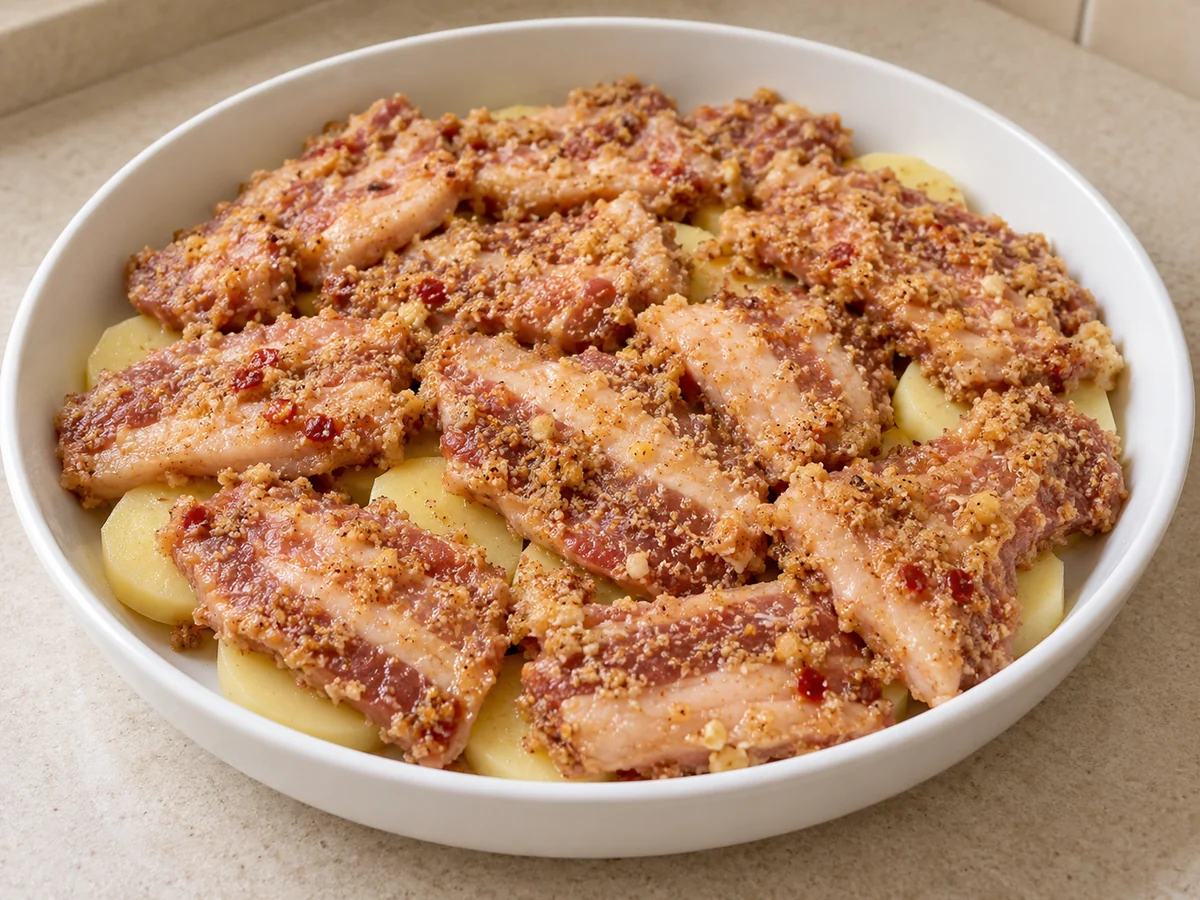
Rice powder steamed porkCoat and arrange pork loosely
Mix the marinated pork with the rice powder, adding a little water only if the package calls for it. Coat each slice and arrange loosely over the potato rather than compacting into a dense mass.
Look forEach pork slice has a moist rice coating and lies loosely over the potato.
See the full recipe ↗ 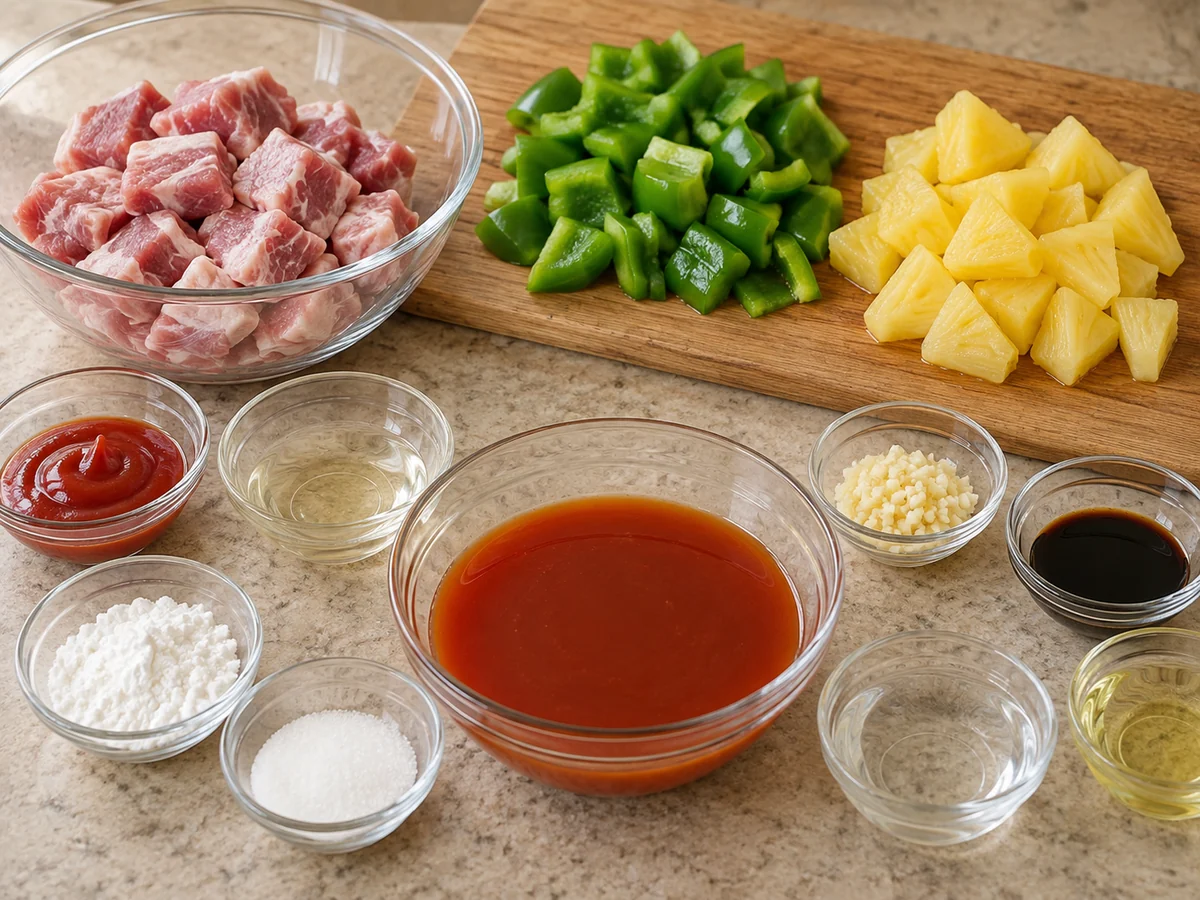
Sweet and sour porkPrepare produce and sauce
Wash and cut green pepper and drain and cut pineapple. Mix ketchup, vinegar, garlic, soy, sauce starch, sugar, sauce salt and sauce water until free of starch lumps.
Look forPepper and pineapple are in small pieces and the sauce is lump-free.
See the full recipe ↗ 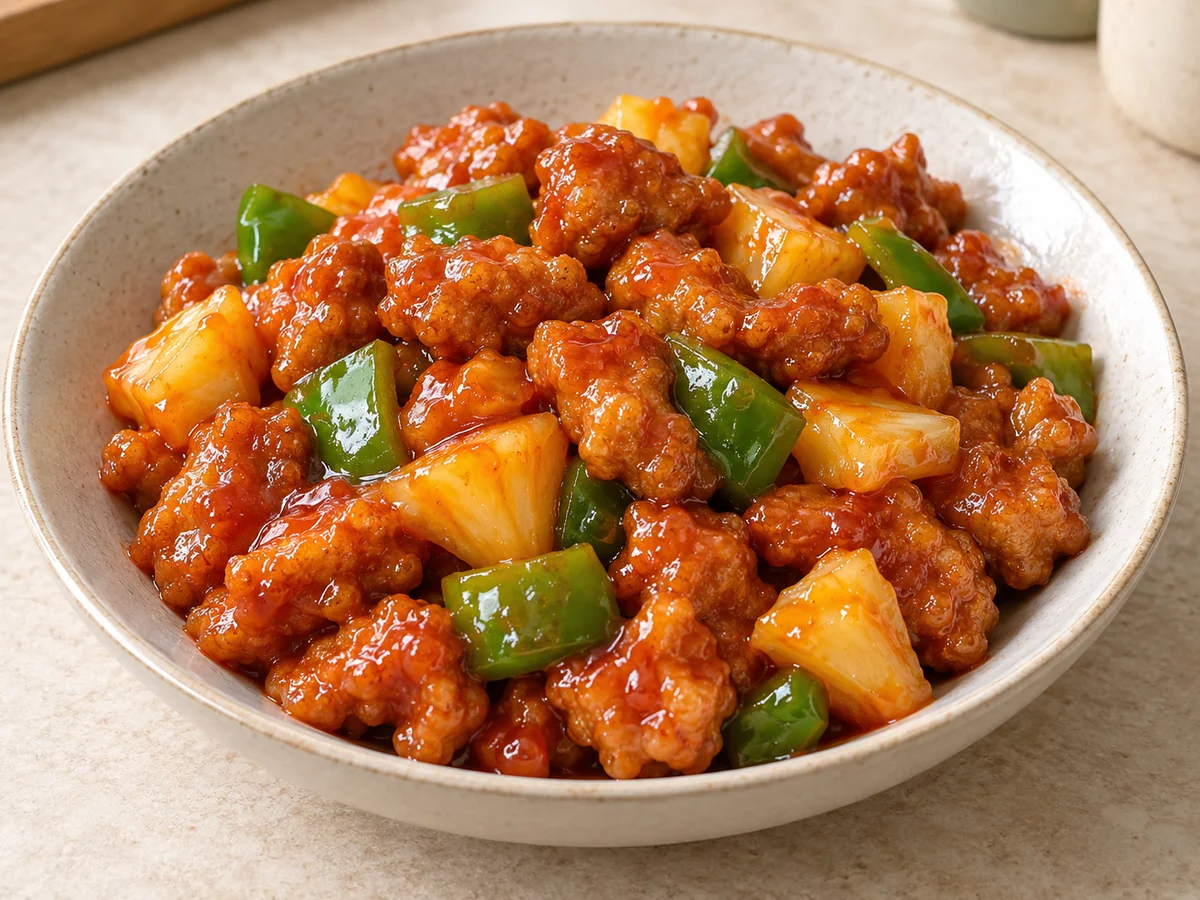
Sweet and sour porkToss pork and rest
Toss fried pork briefly through the sauce, remove from heat and set a 3 min safety rest before eating. Coat the pieces lightly; excess sauce need not all be plated.
Look forGolden pork is coated in glossy red sweet-sour sauce with visible pineapple and green pepper.
See the full recipe ↗ 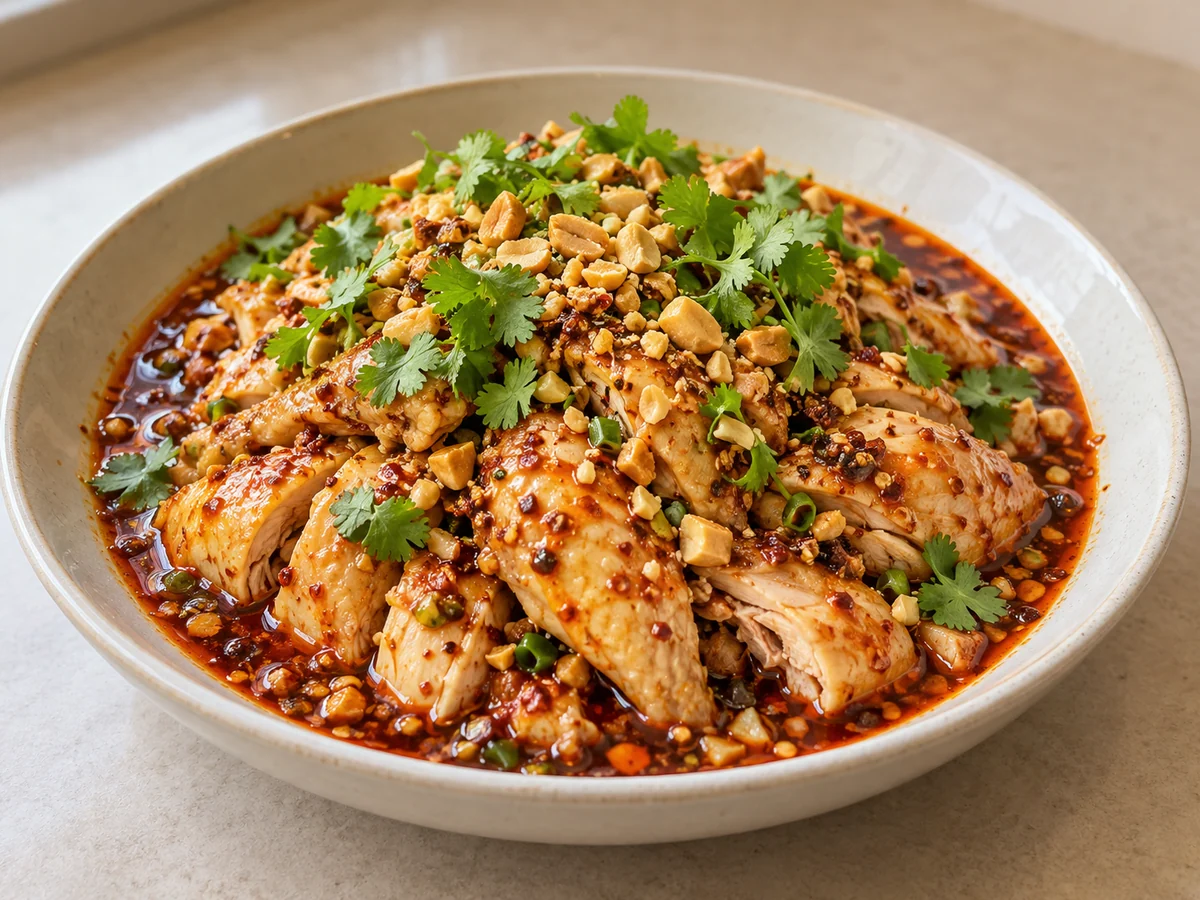
Sichuan mouthwatering chickenCut cooked chicken and dress
Cut or debone cooked chicken with clean utensils, dress with cooled chili sauce and add peanuts and coriander. Serve only the amount needed and promptly refrigerate the rest.
Look forCooked chicken pieces evenly dressed in red chili sauce and topped with crushed peanuts and coriander.
See the full recipe ↗ 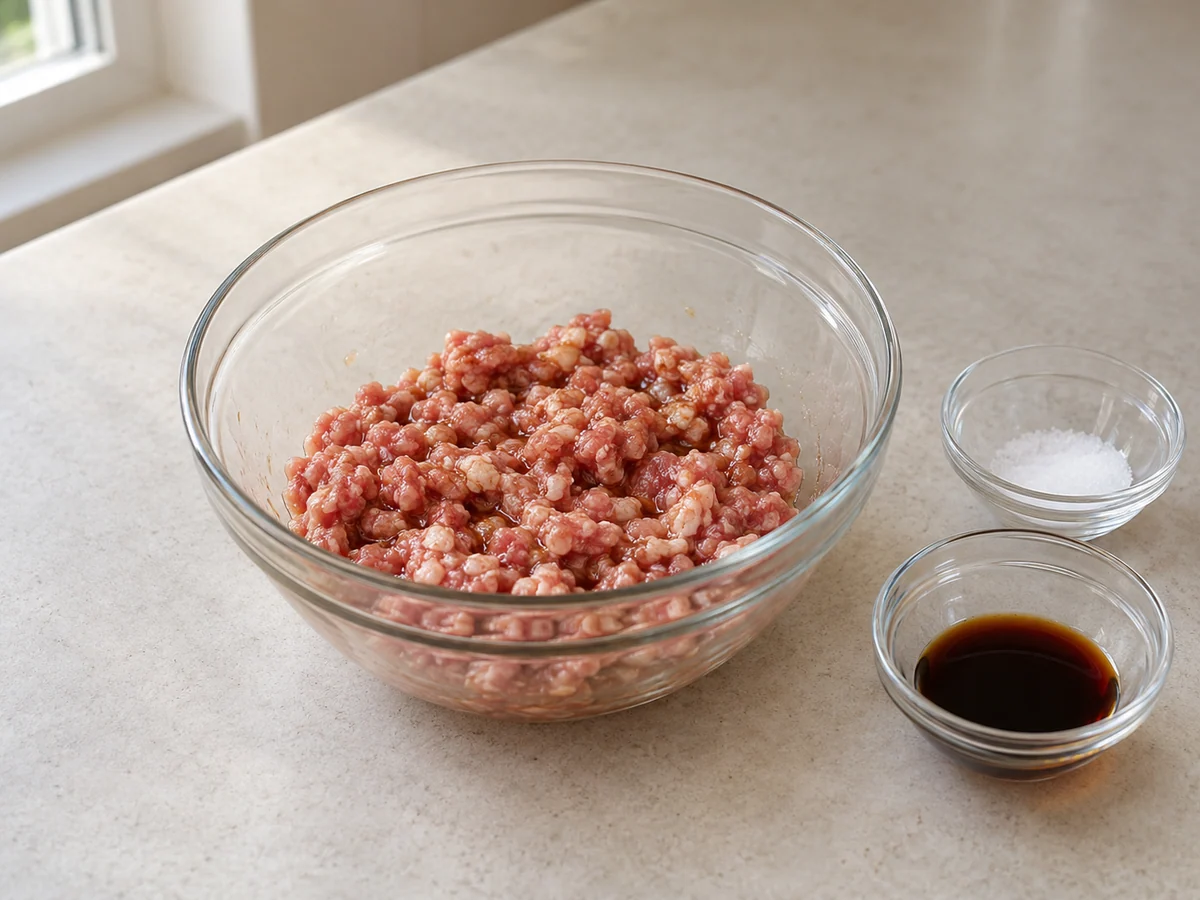
Mapo tofuSeason minced pork
Mix minced pork with half the salt and half the soy sauce. Reserve the rest separately; never taste raw-meat seasoning, and wash afterward.
Look forPork is evenly seasoned and remaining seasoning set aside.
See the full recipe ↗ 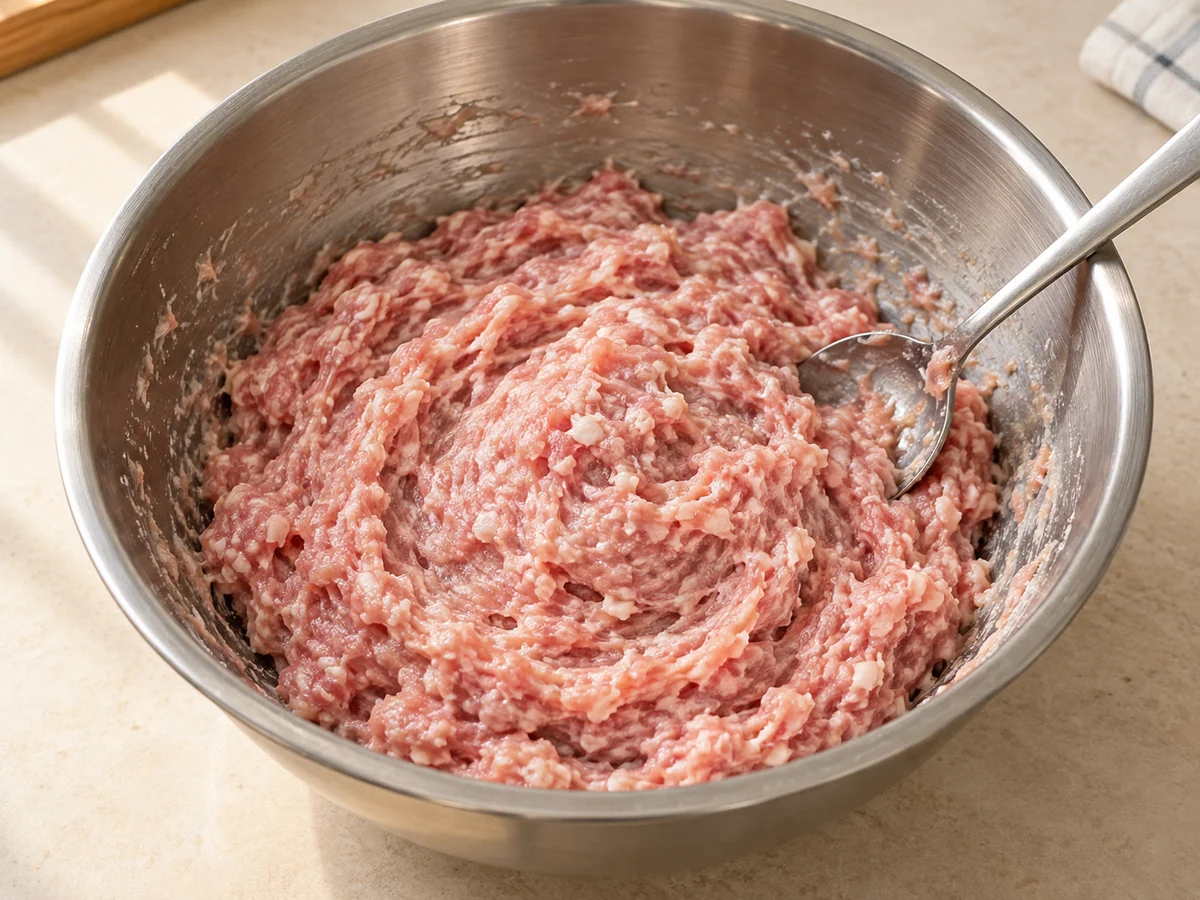
Poached pork meatball soupMix water and seasonings gradually
Mix pork with meat salt and pepper. Add aromatic water gradually, stirring one way until absorbed, then add egg white, starch and a little cooled cooked soybean oil in order. Mix until cohesive and never taste raw meat.
Look forMeat mixture is cohesive and liquid absorbed.
See the full recipe ↗ 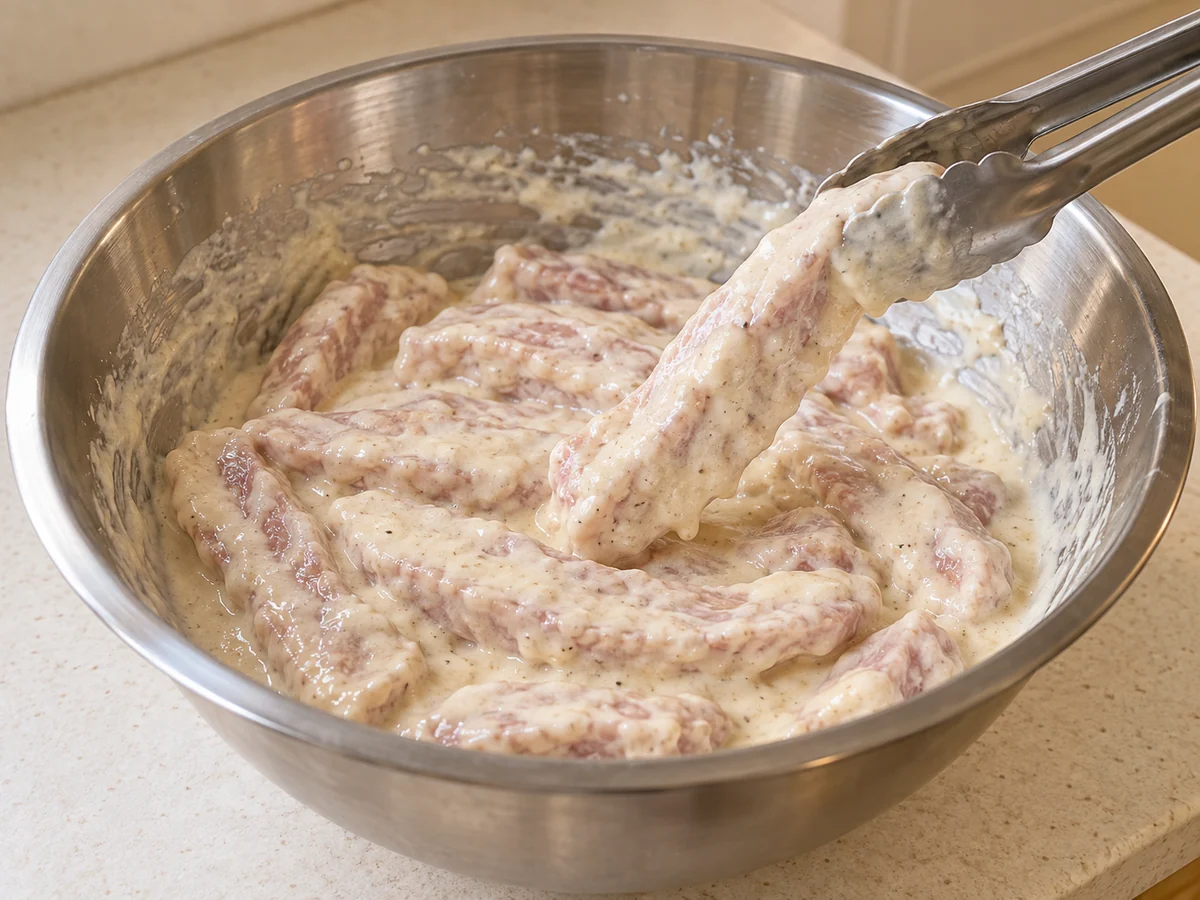
Crispy pork stripsCoat with egg-white batter
Mix in flour, sweet-potato starch and egg whites thoroughly, breaking up dry starch lumps until the strips are evenly coated. Do not taste raw batter; wash after raw egg and pork.
Look forEach strip is evenly coated without hard dry-starch lumps.
See the full recipe ↗ 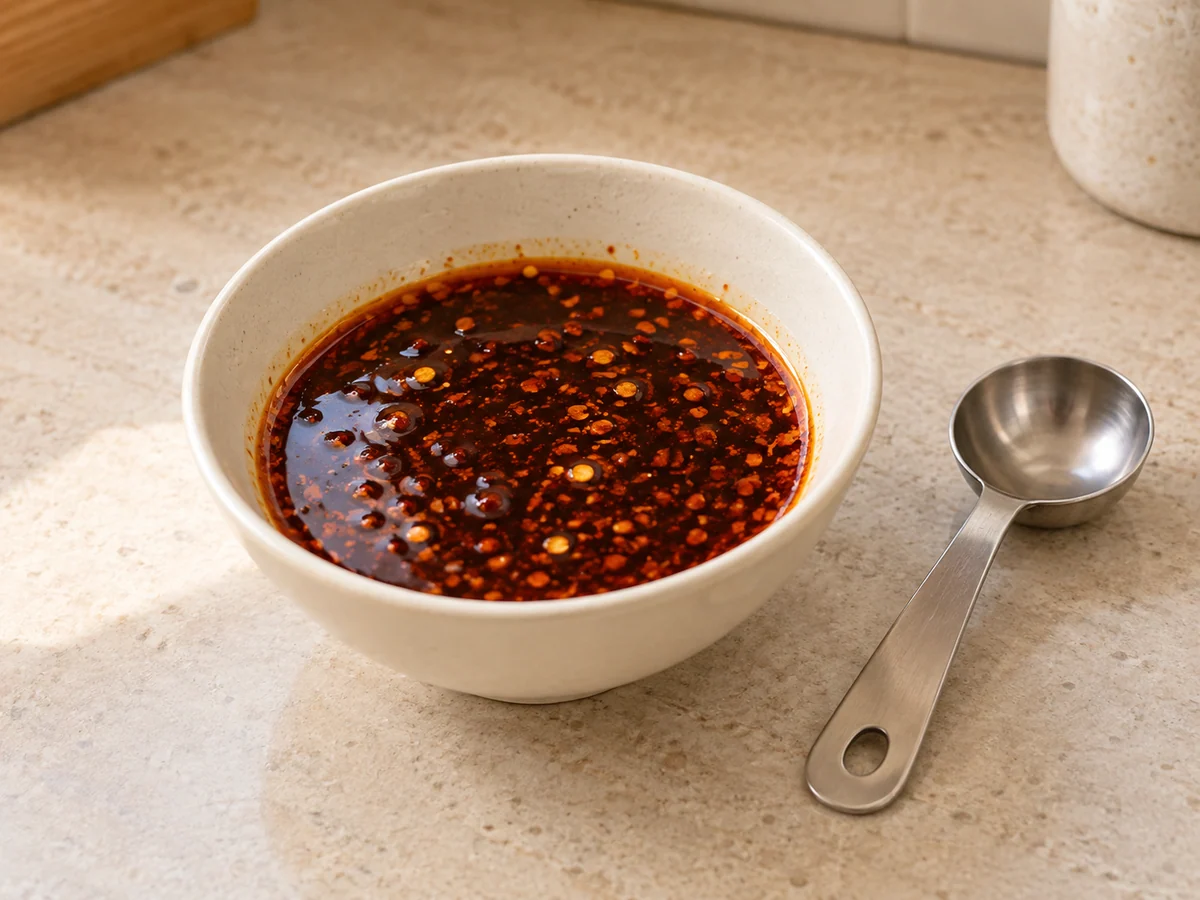
Sour and spicy fern starch noodlesMix the tangy chili dressing
Use the same measure to mix a small starting batch of soy, vinegar and chili oil in a 3:2:2 ratio, then taste and adjust. Do not add salt when the soy already tastes salty. Dissolve optional sugar if wanted.
Look forThe dressing is evenly tangy and spicy with any salt and sugar dissolved.
See the full recipe ↗ 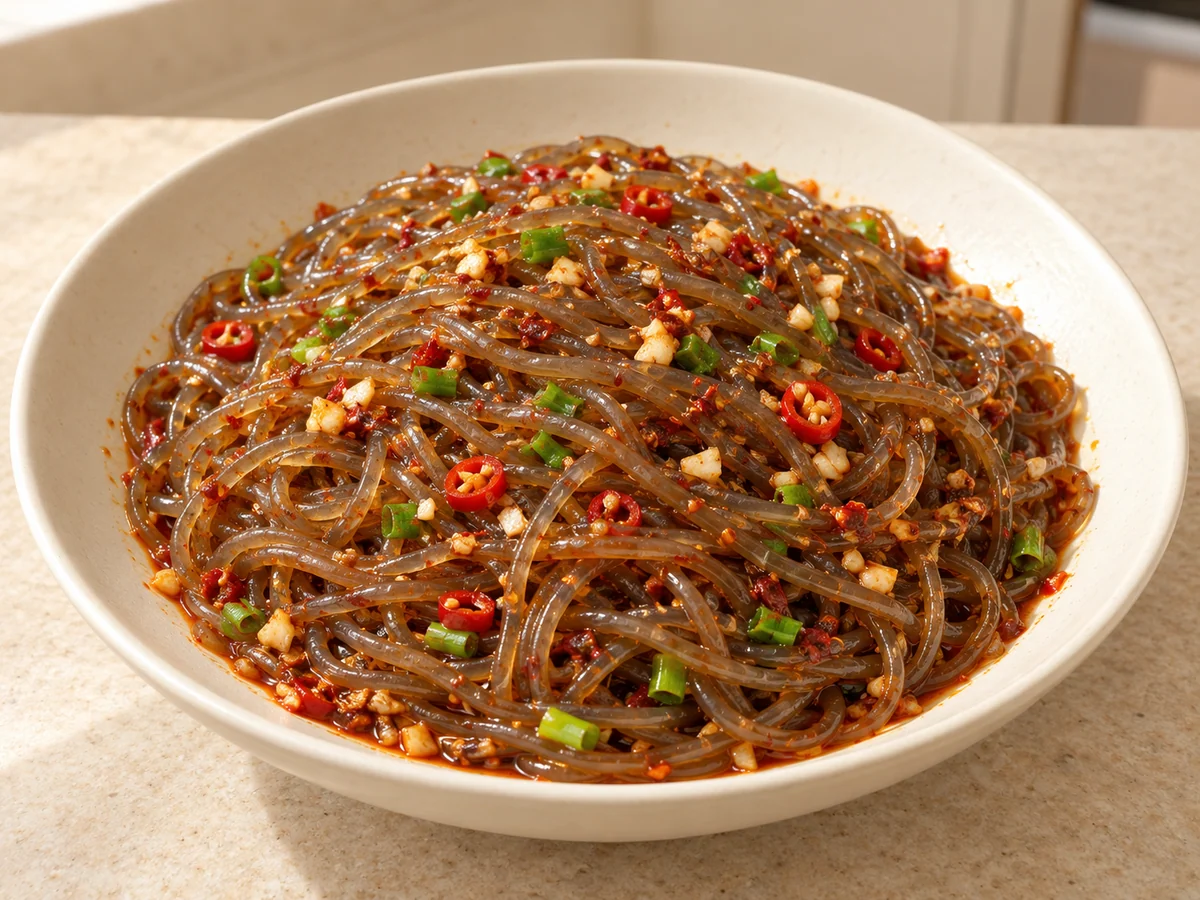
Sour and spicy fern starch noodlesCool, drain and dress
Briefly cool cooked noodles in separate cool drinking water and drain immediately. Toss with a little dressing, add more as needed and finish with optional toppings. Eat promptly or refrigerate while waiting.
Look forThe noodles are separated and evenly dressed without excess cooling water.
See the full recipe ↗ 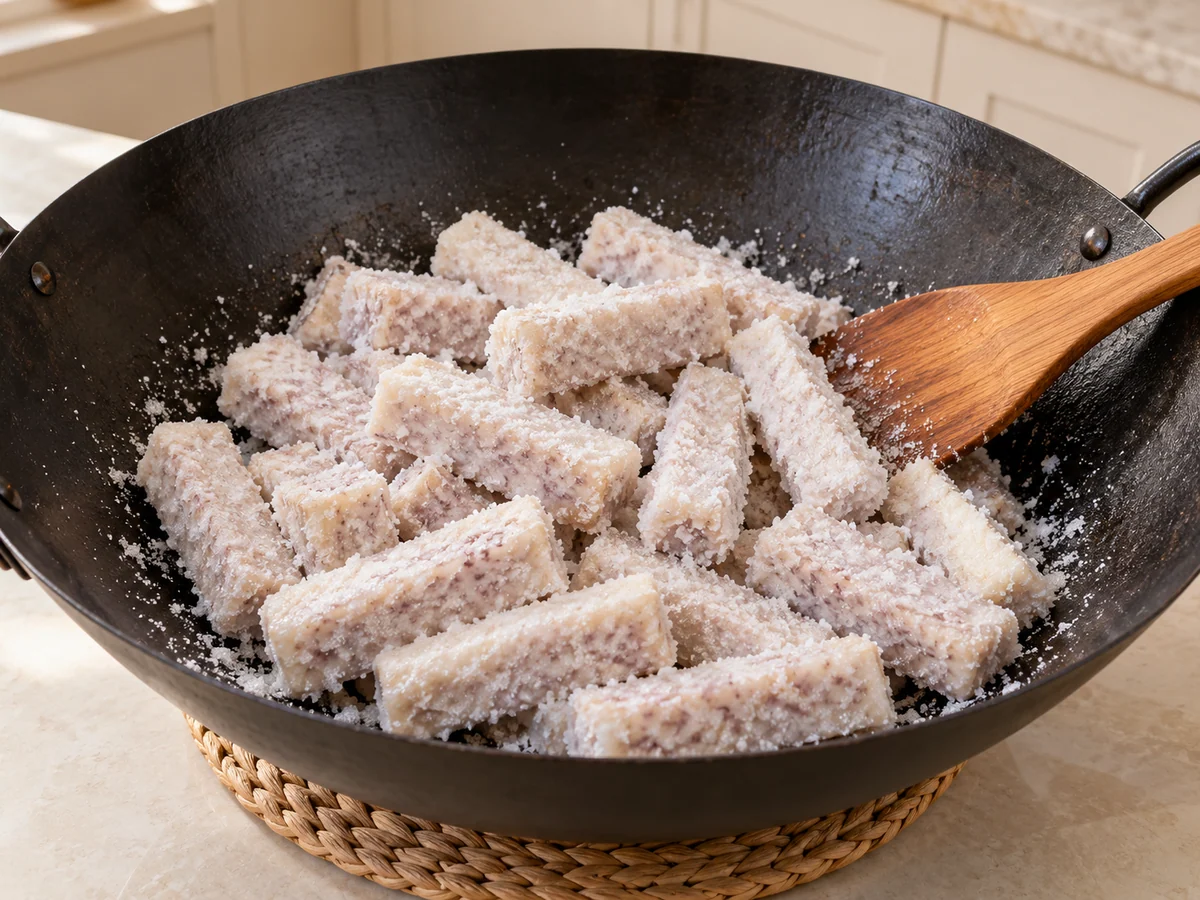
Sugar-crusted taroToss off heat until sugar crystallizes
Add taro and optional dry scallion, turn off the heat immediately and keep tossing gently. As it cools, the clear syrup turns into fine white crystals coating the taro; do not blast it with high heat again.
Look forThe intact taro batons carry an even fine white sugar coating.
See the full recipe ↗ FROM INSPIRATION TO DINNERYour next step is in the kitchen.
Bring a little guidance along. Open EagerCook for the cooking experience.