

Plain rice congee
Use a raw-rice volume-to-water ratio, lower heat at the boil and continue until grains are soft.
Boil / simmer: Water or broth cooking, including boiling, simmering, poaching, blanching and absorption-cooked grains. Follow the recipe's precise temperature and timing. Explore 170 recipes, including Tea eggs, Boiled corn, Millet congee. Compare ingredients, estimated time and complete illustrated methods.
Updating recipes; your latest selection will appear here.
Use a raw-rice volume-to-water ratio, lower heat at the boil and continue until grains are soft.
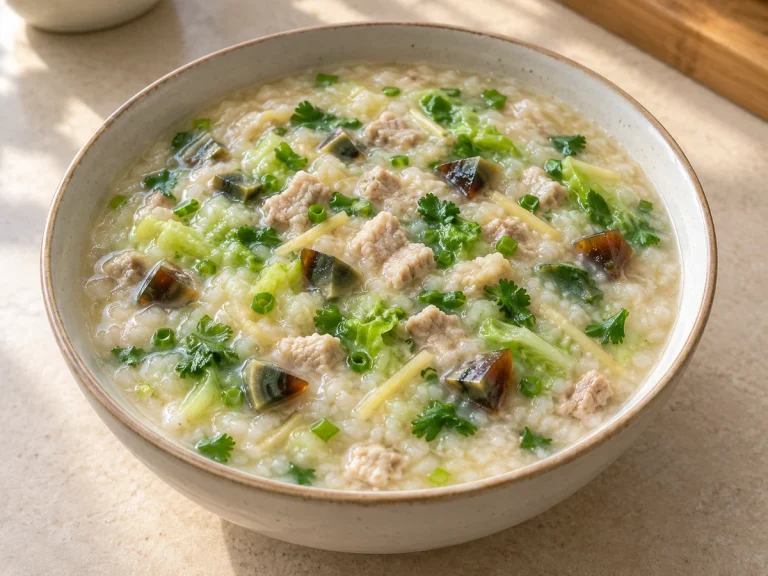
Cook rice, century eggs and lean pork in an appropriate porridge program, then finish with clean prepared greens.
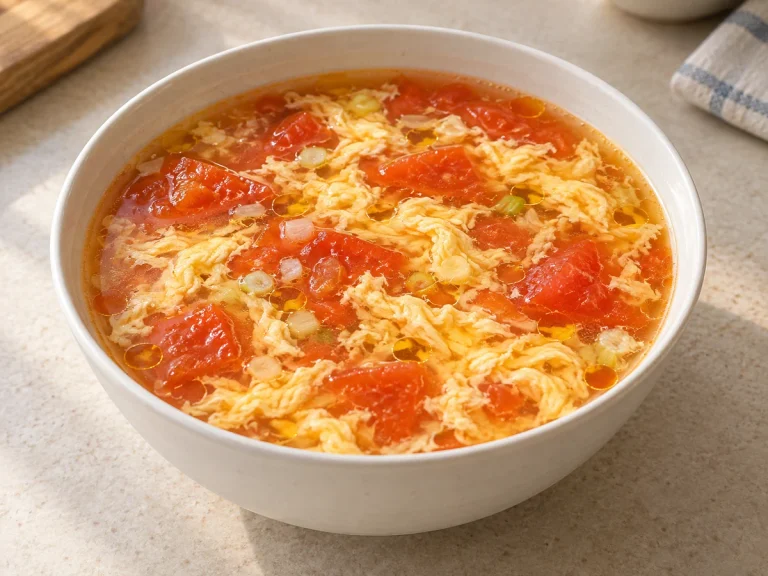
Soften tomato, add water and drizzle in beaten egg until set, seasoning lightly after cooking.
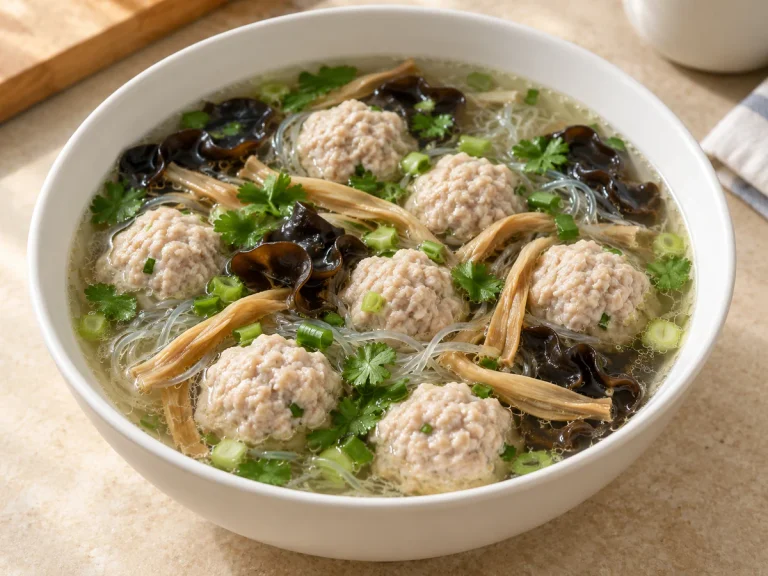
A meatball soup standardized around 500 g pork, with accompaniments cooked first and doneness checked beyond floating.
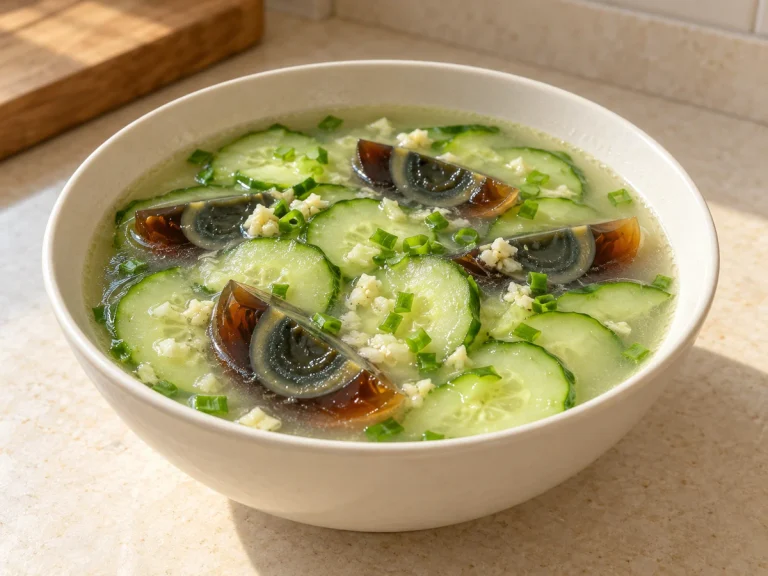
Lightly fry century egg and garlic, add water and finish with thin cucumber slices.
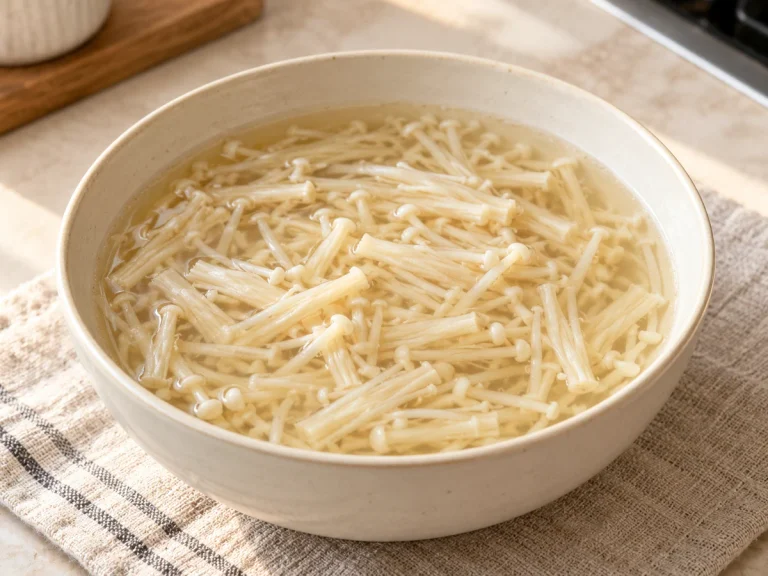
Separate and shorten enoki, cook it thoroughly and season gradually.
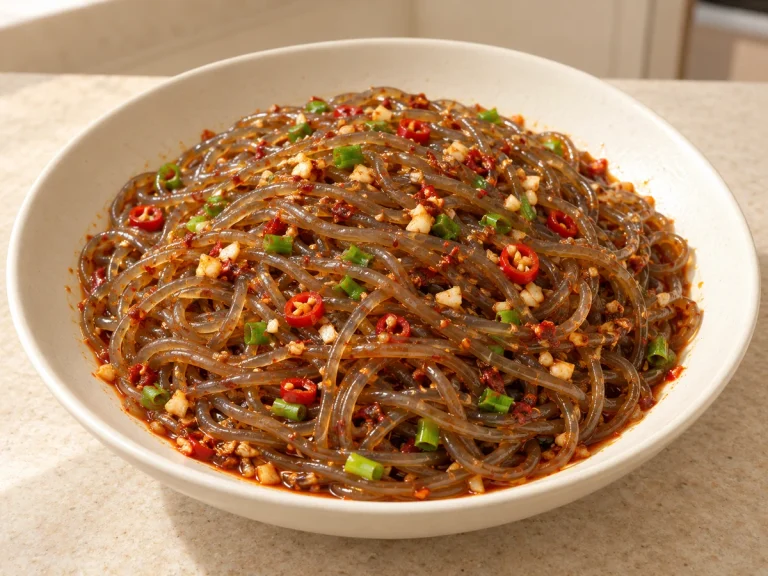
Cook packaged fern-starch noodles fully, then toss with soy sauce, vinegar and chili oil.
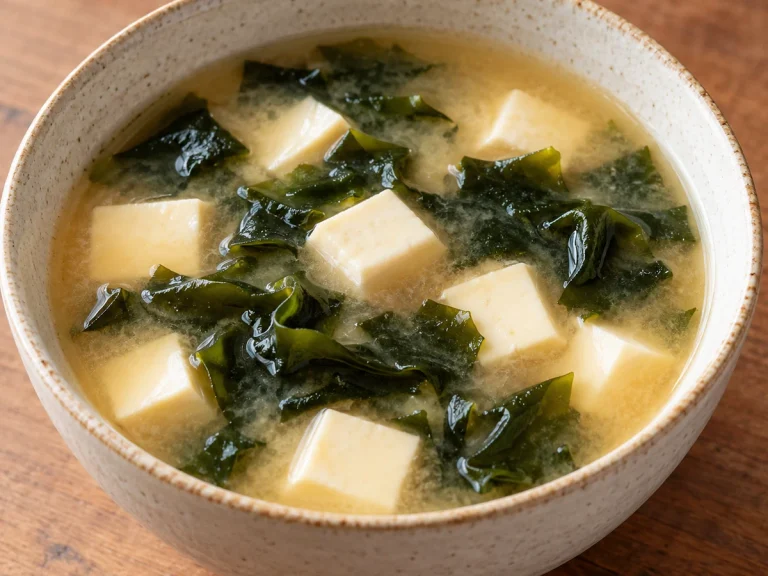
Two small side bowls with measured broth, gently handled tofu and dissolved miso.
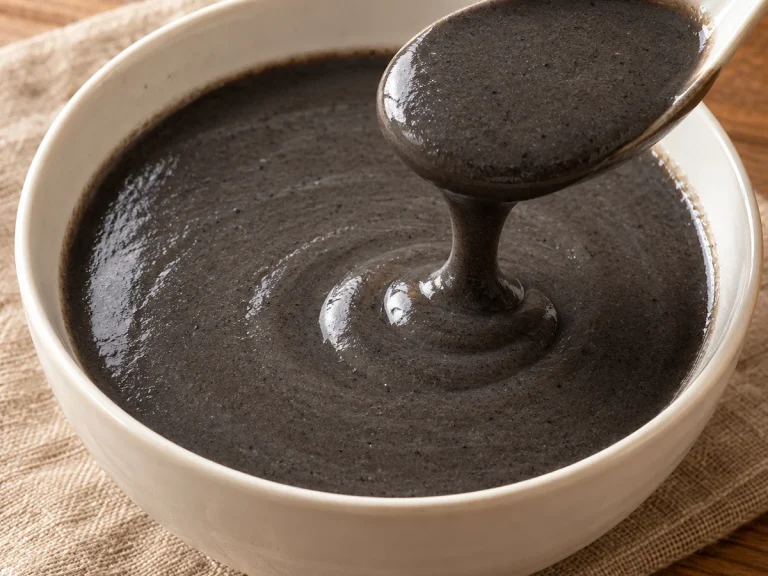
Toasted black sesame seeds and soaked glutinous rice are blended, then cooked into a sweet soup while stirring continuously along the bottom of the pan.
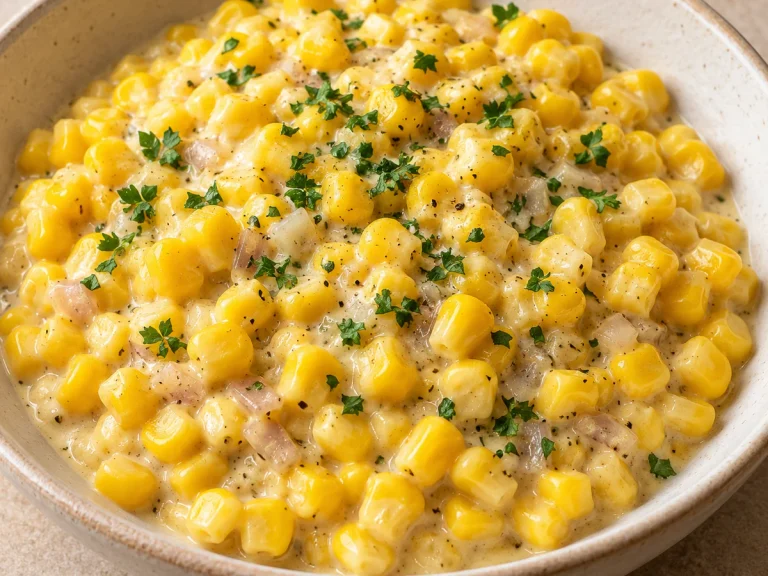
A Chinese home-cooking method organized from the original author's complete recipe.
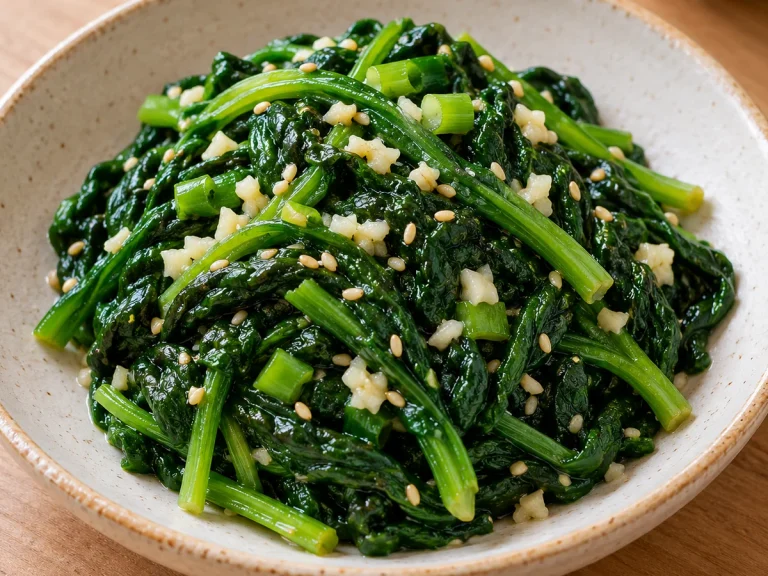
Briefly blanch the spinach until cooked, squeeze out the water and mix with garlic, soy sauce and sesame oil for a side dish.

The Chinese method has been reorganized from a verified reference.
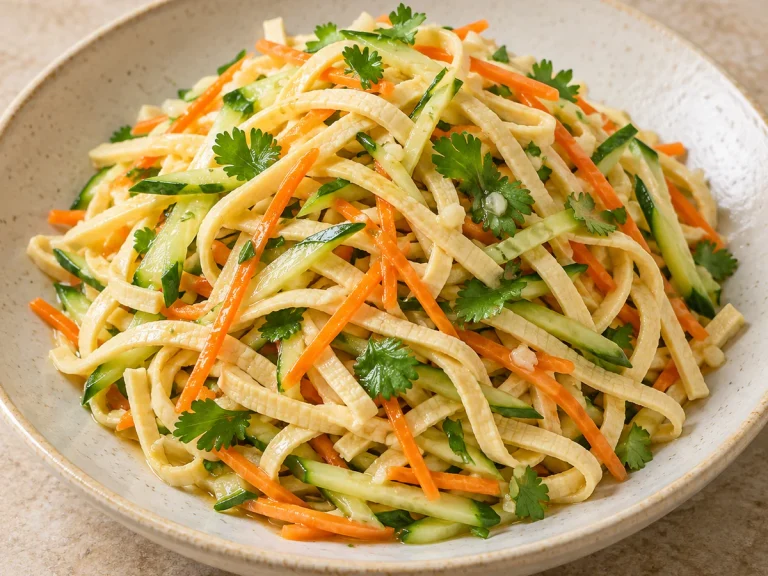
Blanch tofu strips until soft, then toss with carrot, cucumber and a garlicky vinegar dressing. Choose pressed tofu strips labelled ready to eat.
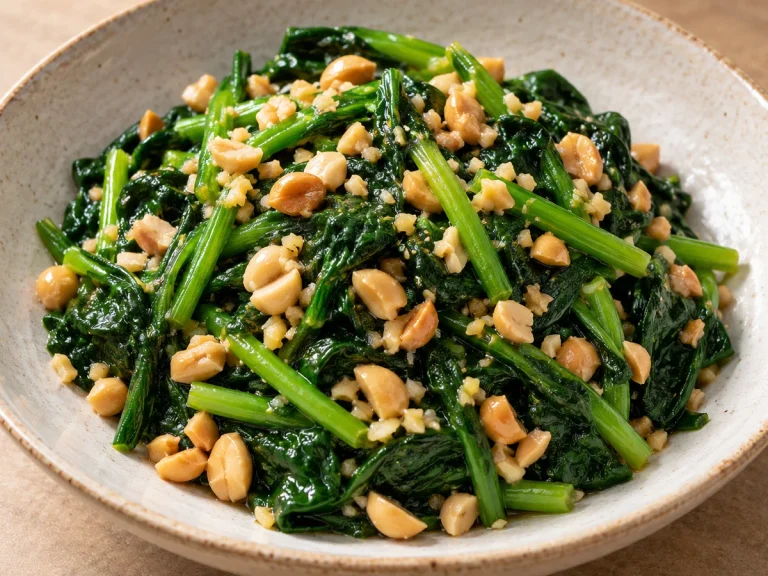
Blanch the spinach and squeeze out the water. Add cooked peanuts and a ginger-vinegar dressing just before serving to keep the peanuts crisp.
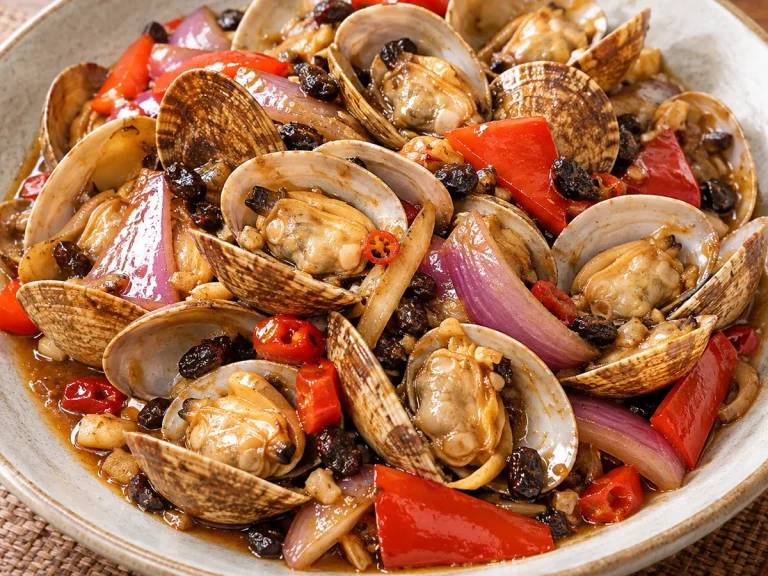
The clams are first boiled until their shells open, then quickly stir-fried with black bean sauce, ginger, garlic and vegetables. A small amount of starch slurry lightly thickens the sauce.
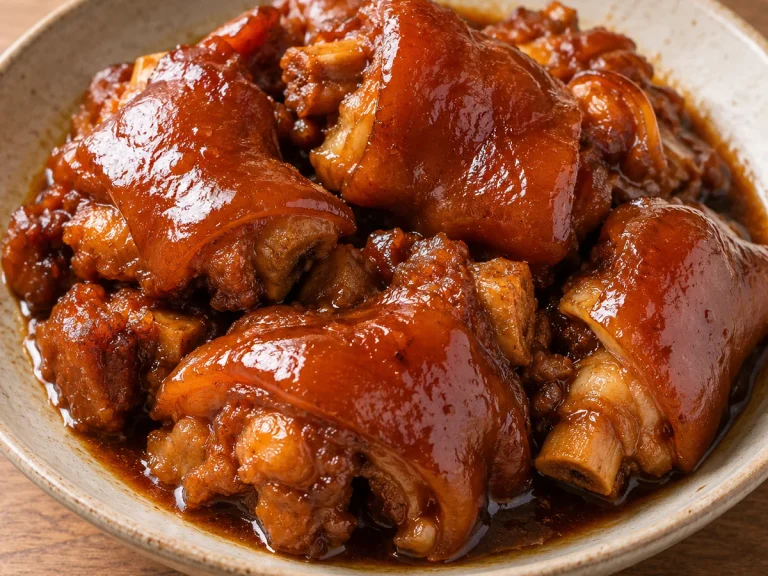
Use the source's regular-pot slow-braising option. Once the trotters are tender, reduce the broth separately, then return them to coat with sauce.
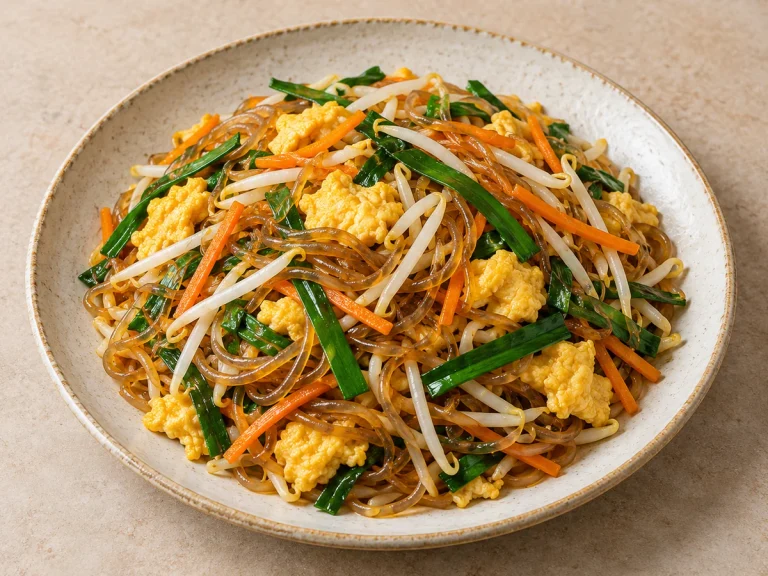
Glass noodles, eggs, bean sprouts, carrot and Chinese chives are prepared separately before being stir-fried together. The finished dish is moist and glossy, with no pooled liquid.
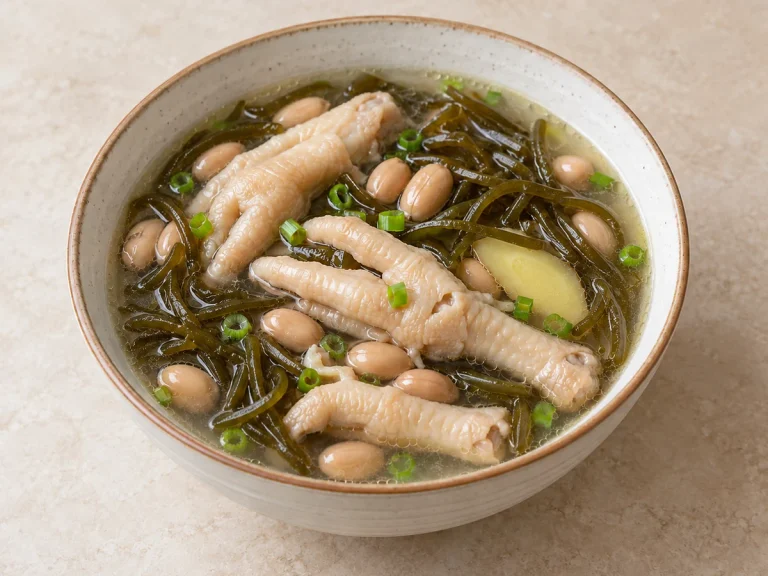
Slowly simmer chicken feet with peanuts and kelp to make a light soup. Using chicken feet that have already been cleaned and prepared reduces the trimming work.
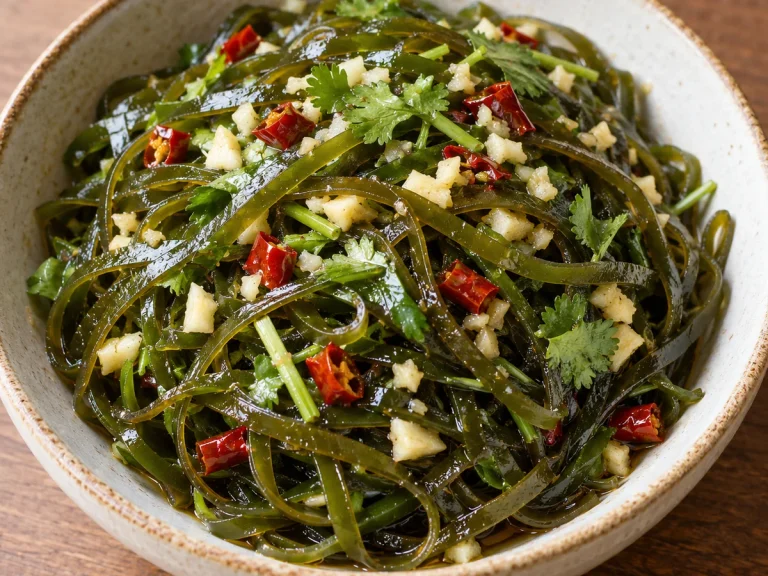
Soak dried kelp until soft and cook it, then dress it with garlic, ginger and vinegar and finish with hot chili-infused oil.
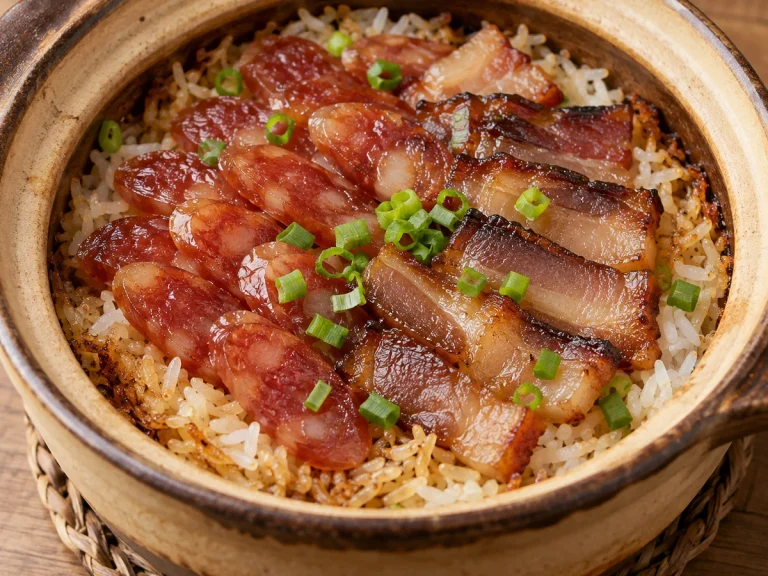
Long-grain rice is cooked with Chinese cured sausage and cured pork in a clay pot, then drizzled with a seasoning sauce and mixed to serve.
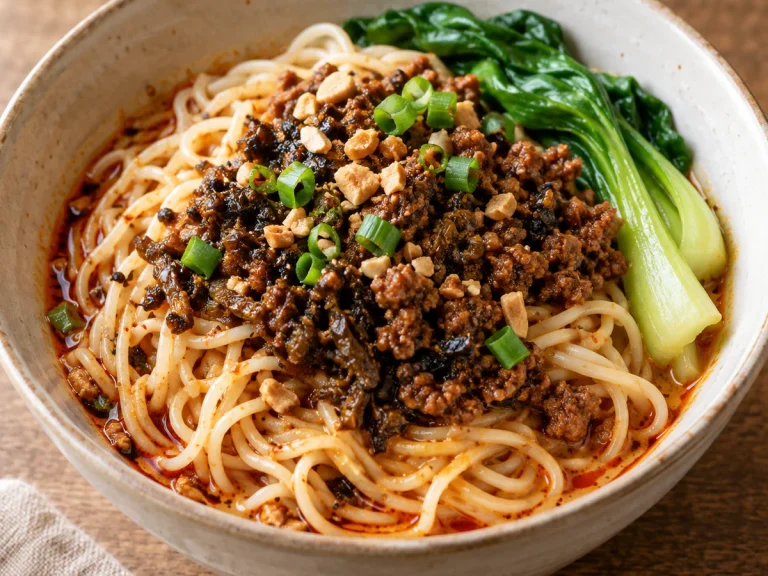
Freshly made Sichuan-style chili oil is combined with a pork topping, preserved mustard greens and a sesame paste sauce, divided among six small bowls of noodles for mixing.
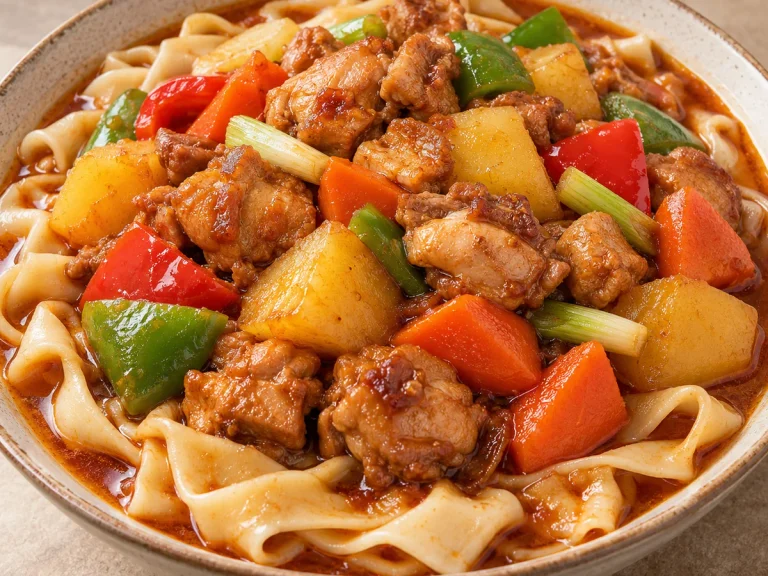
Boneless chicken leg meat, potatoes and two kinds of peppers are braised into a saucy big-plate chicken dish and poured over wide noodles. This follows the source’s convenient home-style version.
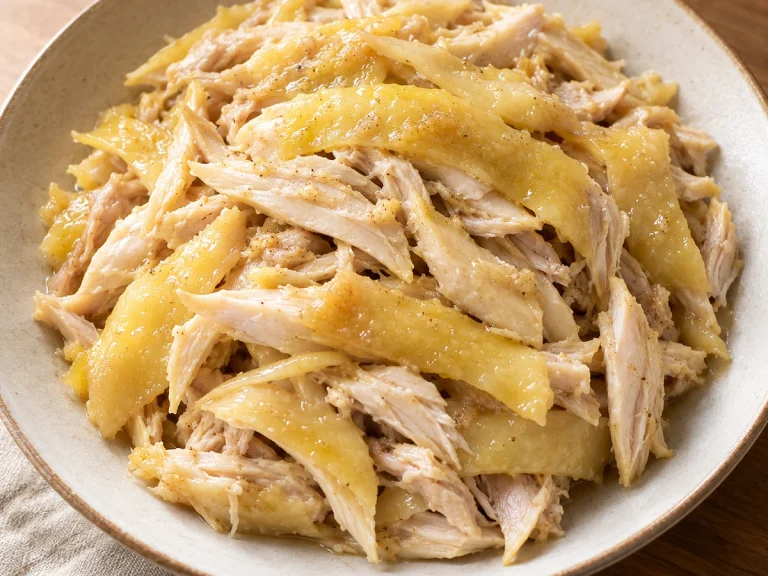
Following the source restaurant's simplified method, poach a whole chicken and toss it with a sand ginger and salt dressing. This is not the traditional method of burying the chicken in hot salt.
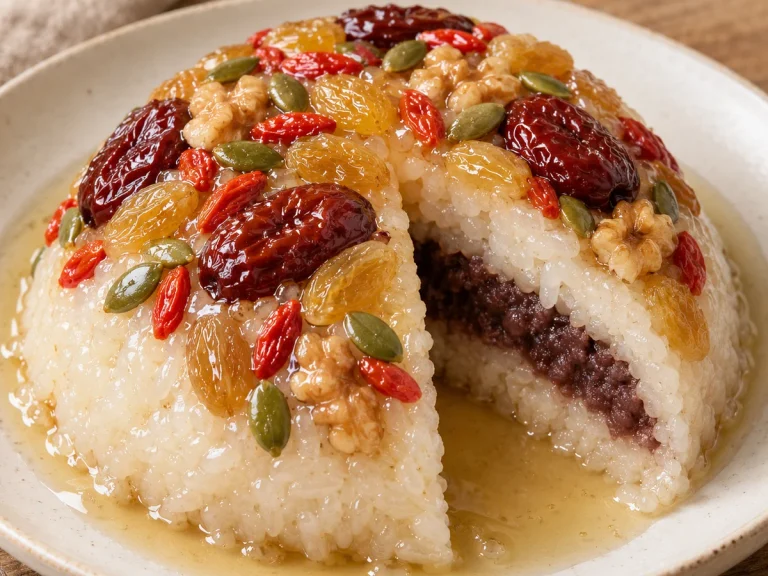
A simplified eight-treasure rice pudding with red bean paste inside glutinous rice, dried fruits and seeds, and chrysanthemum syrup. This source version does not contain eight toppings.
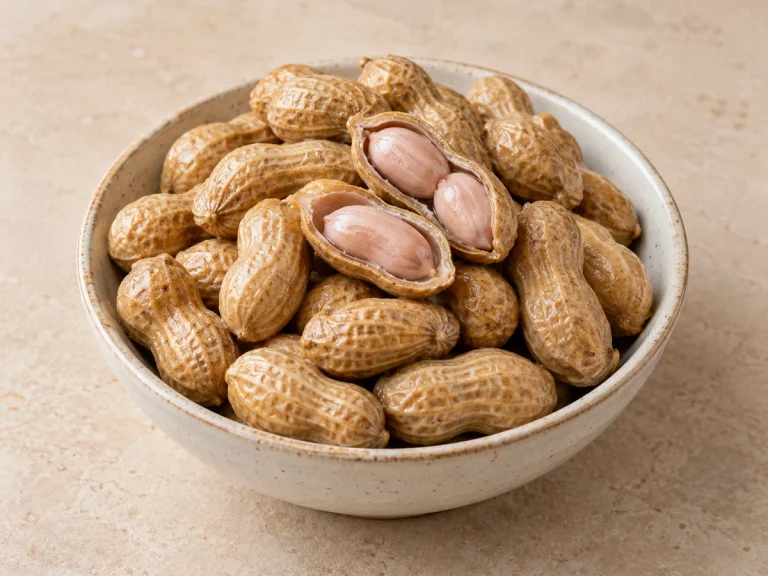
Wash fresh raw peanuts in their shells and make a small crack in each shell. Cook them with Sichuan peppercorns, cinnamon and other spices, then keep them in their cooking liquid so they stay moist.
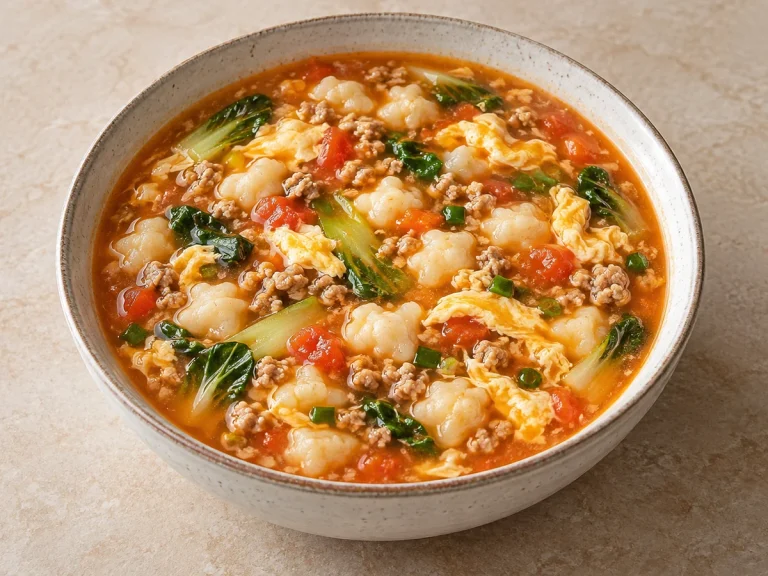
Drip a little water into flour and stir to form small dough pieces. Cook them in a tomato and ground-pork soup, then add greens and egg ribbons.
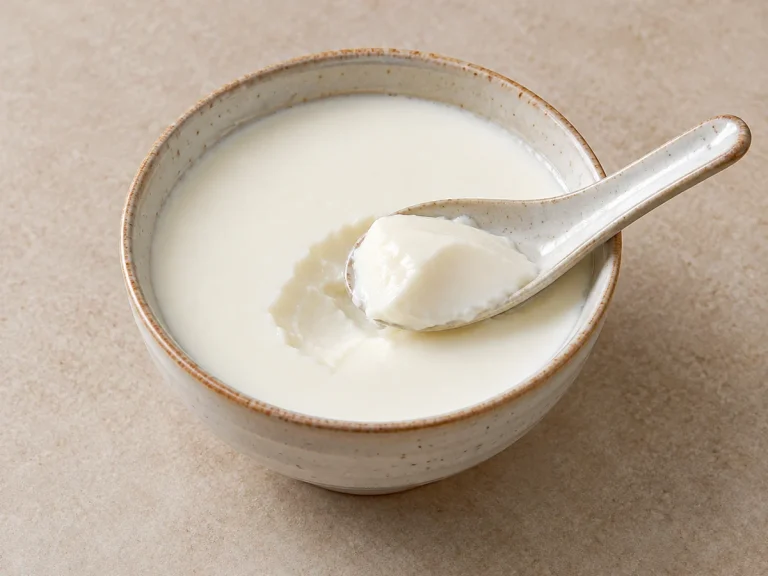
Fresh ginger juice sets milk heated to seventy degrees Celsius into a curd as it rests. A thermometer and a bowl placed on a stable surface are needed.
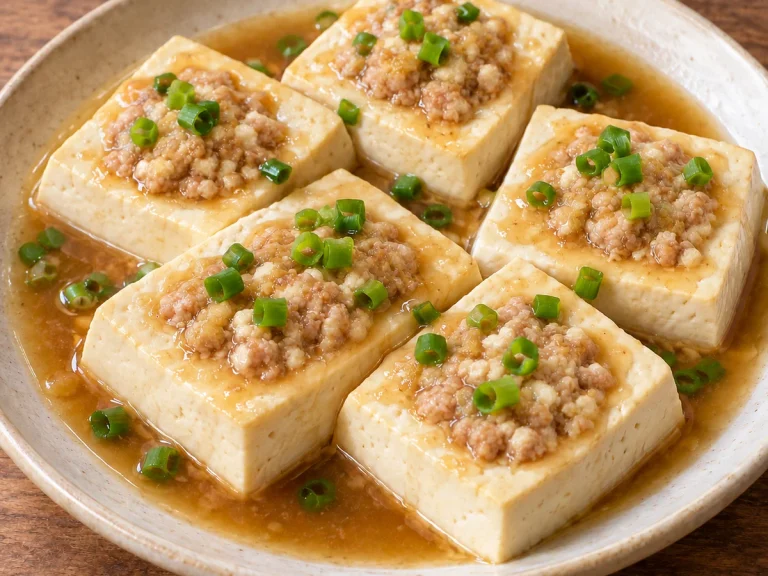
Make shallow hollows in tofu and fill them with pork and salted fish. Steam until cooked, then spoon over a lightly thickened oyster sauce. This reference uses the steamed method.
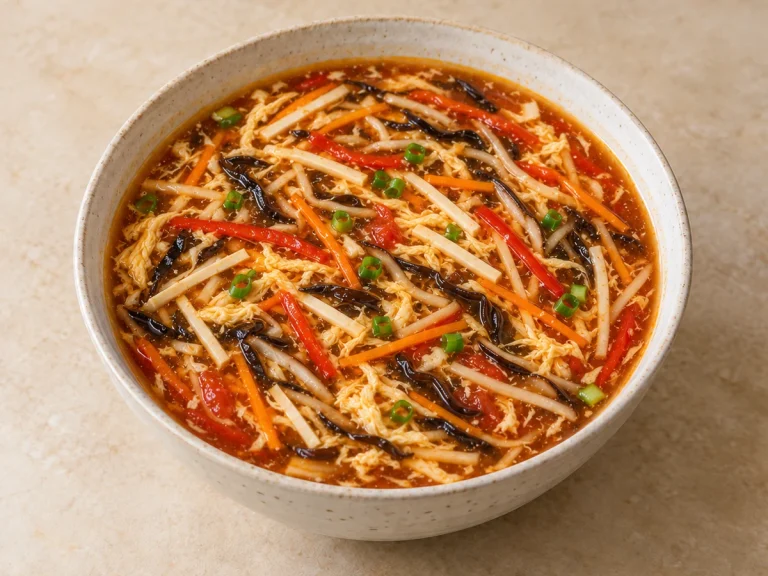
A home-style version with tomato, tofu, mushrooms, and egg ribbons. White pepper goes into the broth first; vinegar and sesame oil are added at the end.
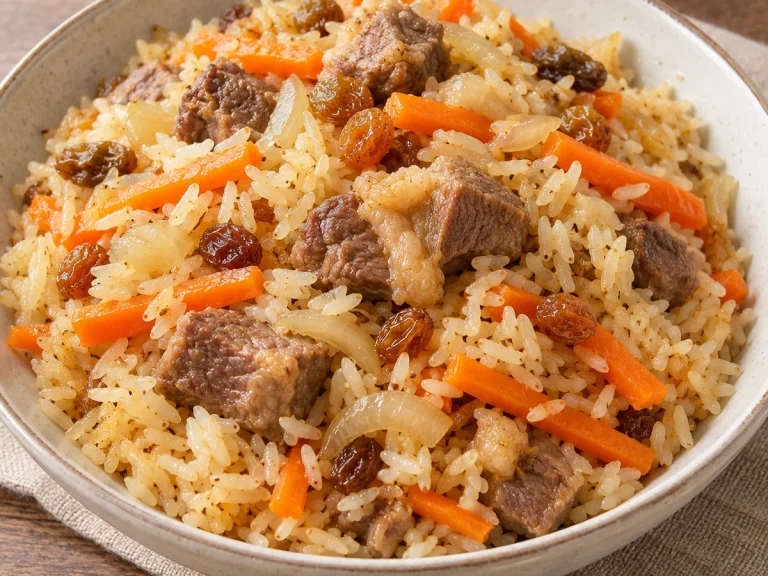
A home-style version from the source: lamb, onion and carrot are first simmered to develop flavor, then cooked with rice in a rice cooker.
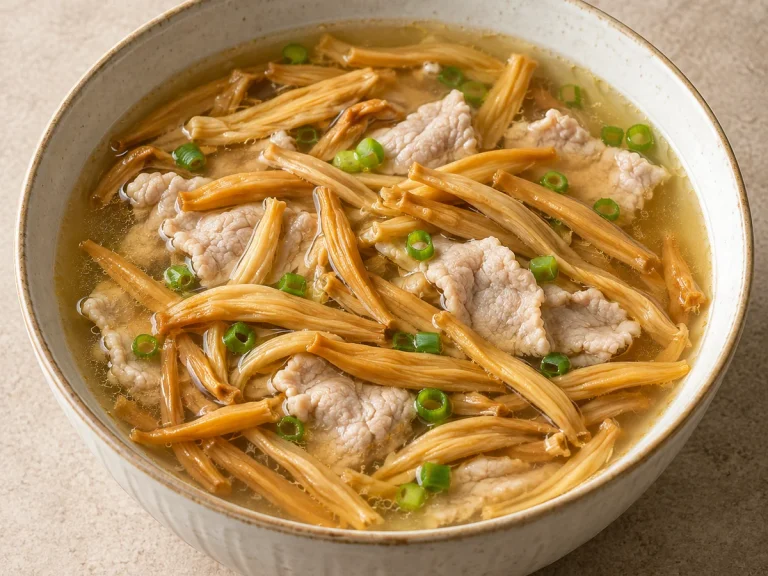
Soak dried daylily buds until soft and simmer them in soup, then gently add thin pork slices near the end. This light soup goes well with rice.
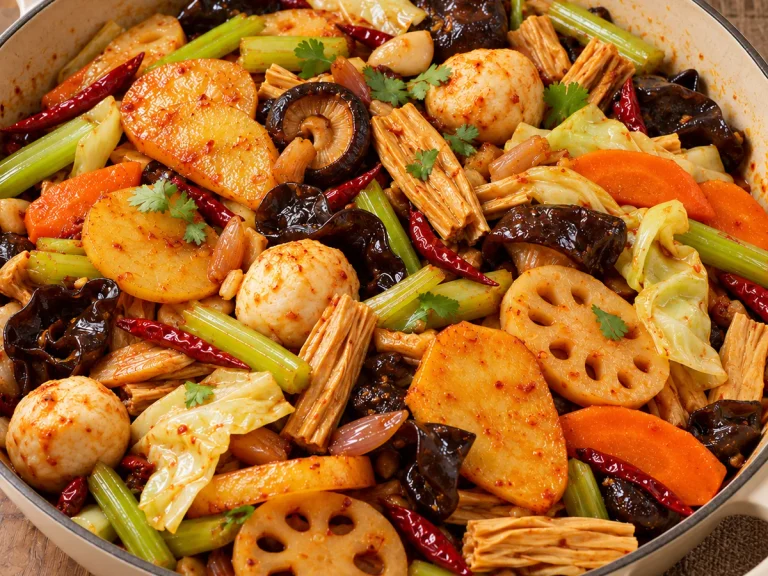
A variety of vegetables are first blanched until cooked and drained, then stir-fried with spiced oil, chili bean paste and hot-pot base. Soaking dried ingredients is included in the preparation time.

Mix small sago pearls into a mango and coconut milk puree, then add mango cubes and grapefruit flesh. This uses the lighter milk option allowed by the source.
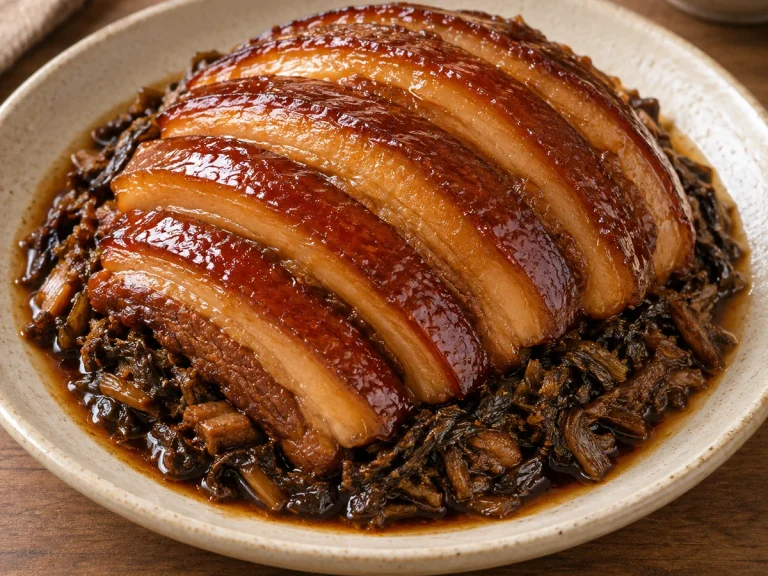
Preserved mustard greens and neatly arranged pork belly are steamed until tender, then inverted and dressed with sauce. The time includes soaking and washing the preserved greens.
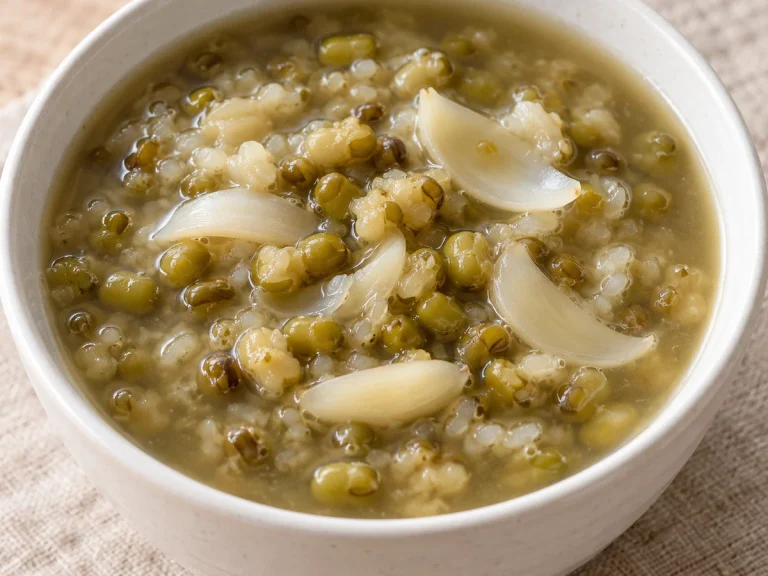
Simmer mung beans, dried lily bulb pieces and a little glutinous rice until soft. The basic version has no added sugar; add sago pearls if desired.
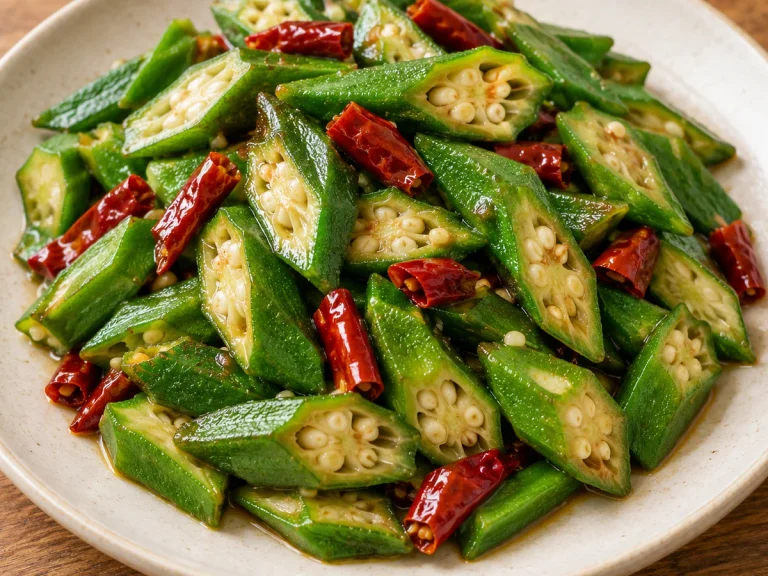
Briefly blanch the okra, then stir-fry it in oil flavored with Sichuan peppercorns and dried chilies, keeping it crisp and tender.
Bring a little guidance along. Open EagerCook for the cooking experience.